
SPECIAL REPORT
Five Crucial Supply Chain Due Diligence Activities
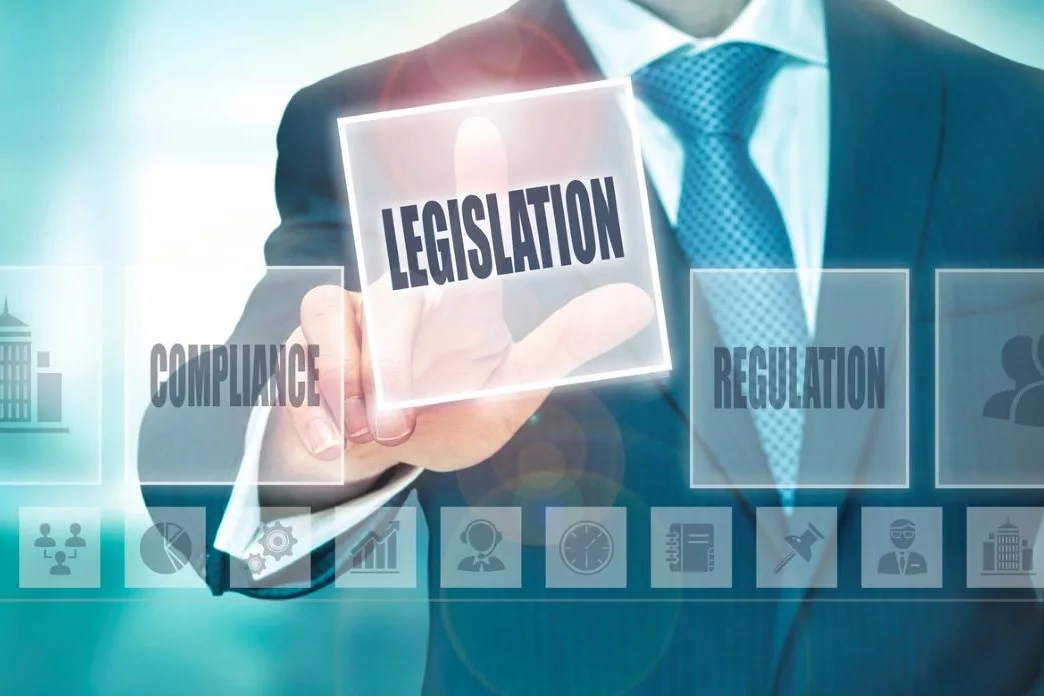
Trade compliance has always been a dense thicket to navigate. The fact that one global supply chain software provider processed nearly 50 million regulatory trade updates to its trade content database in 2021 is a good example of how tricky trade compliance can be without leveraging third-party expertise. International trade relationships are rife with hidden risks that can completely up-end a company because of expensive fines, imprisonment, revocation of privileges, and brand tarnish.
Every company should look at every entity with whom they are transacting, whether they’re individuals or vendor companies, and ask: Are we doing business with persons or entities we’re not supposed to? Whether they are contractors, suppliers, employees of providers, the list is long.
This is a step above traditional trade compliance. There’s a whole additional layer of data companies should be examining. The good news is there’s a lot of information out there. If an entity refuses to share the information you need, you can insist or stop doing business with them. Otherwise, you’re risking your company’s reputation.
Here are five areas to focus on.
1 |
Restricted parties.
The only way to ensure you’re not doing business with restricted parties is by actively screening. One of the challenges is that the number of entities added to the many international lists of restricted parties — such as the U.S. Department of Commerce’s Bureau of Industry and Security’s (BIS) list of “parties of concern” for exports from the U.S. — is expanding daily. There are an overwhelming number of new rules in place that weren’t there even six months ago. Another challenge is that most companies are trained to screen for export transactions only and don’t consider the implications for imports, for example, regarding issues of forced labor in China and other countries.
Particularly in light of the supply chain disruptions of the last few years, where many U.S. companies have onboarded new suppliers, often rapidly, it’s important to remember that you’re responsible for who and what you’re bringing into your supply chain.
2 |
Financial transactions.
Cryptocurrency has dominated the headlines for some time, but many other, more old-fashioned ways of laundering money remain. Again, active screening is essential because a typical supply chain involves far too many parties for it to remain a matter of trust. The U.S. Customs and Border Patrol (CBP) and its fellow entities in other countries are rapidly moving towards scrutinizing supply chains for signs of money laundering and are using highly advanced technology to monitor transactions at a fine-grain level.
At a recent CBP-conducted industry forum, customs officials stated they would like to see every order placed via an online platform. That would make a lot of supplier, customer, shipment, sourcing and other data available. As e-commerce becomes the norm for B2B and B2C transactions, the amount of data available will allow the authorities to be far more diligent and expansive in the future.
3 |
The goods moved — dual-use or sanctioned?
This is typically an export-oriented concern. The notable shipment of the aluminum tubes destined for Iran that might have been intended for use in the country’s nuclear program, ending with a 20-year prison sentence for the man who tried to circumvent the law, is just one example of how critical it is to keep a close eye on things. Many companies are still relying on managing their export-screening process manually as a one-time task. They have a contract, they screen once, and that’s it — they’ve identified a supplier as approved, even though people at that supplier might change. That is not a workable strategy.
And the screening process must be strictly adhered to, allowing no workarounds. For example, it’s no use if the sales teams are in compliance, but customer service is willing to comply with a request from a customer to make last-minute changes to the destination location. The consistency of the screening process, including how your staff is trained and managed, is important.
4 |
Will the shipment go to a location in proximity of a conflict zone?
It’s absolutely critical to be aware of geographical proximity when shipping or doing business with third parties. For example, you must assess the destination of a shipment for whether it is going close to a conflict zone or a country with denied status, such as Iran or North Korea. If the recipient is just a few miles over the border, it could well be the goods will end up there, despite your intention to comply with the law.
Again, imports need to be scrutinized as well as exports, particularly for forced labor. Get out a map and look at the physical location of your supplier. If they’re near the border of China’s Xinjian region, forced labor could be likely. The same can be said about many regions, so proximity search capabilities are important to use early in the supply chain planning phase.
5 |
Are your procurement, HR and security teams also screening?
Companies with the best compliance risk management take a holistic, thorough view, including not just procurement processes and exports but human resources (HR) and IT security. Those things should all get wrapped into the overall risk management profile. For example, you may be doing background checks in screening new hires or business partners, but searching criminal records and credit scores is no longer sufficient.
Thinking back to 9-11, it seems incredible that 14 terrorists came into the country under their own names. In a world where contractors, especially skilled IT experts, are much in demand and hard to find, HR screening is just as important as the other areas of the business. It’s a problem most companies are not fully addressing.
There’s an identifiable need for companies to expand the use of vigorous screening beyond immediate business partners. It’s worth considering putting contractual obligations in place with business partners that stipulate they must perform screening themselves for everyone they do business with. And you need to follow up and check that they do.
How e2open Can Help
E2open is a business-to-business provider of cloud-based, on-demand software for companies operating supply chains, especially in the computer, telecom and electronics systems, components and services industries. The company specializes in meticulously maintaining a database of trade compliance rules and helping customers navigate the constantly changing, complex compliance landscape for exports and imports. One major benefit of e2open’s capabilities is that it allows companies to collate and analyze information from almost any system, harmonizing data and giving a comprehensive view of operations at a level of technological sophistication, including the deployment of artificial intelligence (AI) that’s beyond most companies’ resources.
Suzanne Richer, director of e2open’s Global Trade Academy, says companies have a fantastic opportunity to leverage the new capabilities offered by technology, especially AI. “I think we’re at a perfect congruence of technology and the screening capabilities needed to automate due diligence,” she says. “Now, advanced technology can monitor not just bad actors but bad supply chains, for example, when a company is moving goods through third countries to circumvent laws and then moving them to the U.S.”
In the end, technology will only get you so far, says Sung Choi, AVP, solutions consulting at e2open. “The largest problem is not a tech problem; it’s about collecting the right info at the granularity you need for the tools to work,” he says. “Sometimes people don’t have the right data, so we tell them this is the information you need to have on hand. We’re really good at knowing what our customer needs to check for.”
Popular Stories




SupplyChainBrain 2026 ESG Guide: ESG — The Supply Chain’s Biggest Secret
VIEW THE LATEST ISSUECase Studies


Visit Our Sponsors |
|
|
| |
|
|
|
|
|
|
|
|
|
|
|
|
|
|
|
|
|
|
|
|
|
|
|
|
|
|
|
|