
SPECIAL REPORT
Breaking Down the Warehouse vs. Transportation Divide
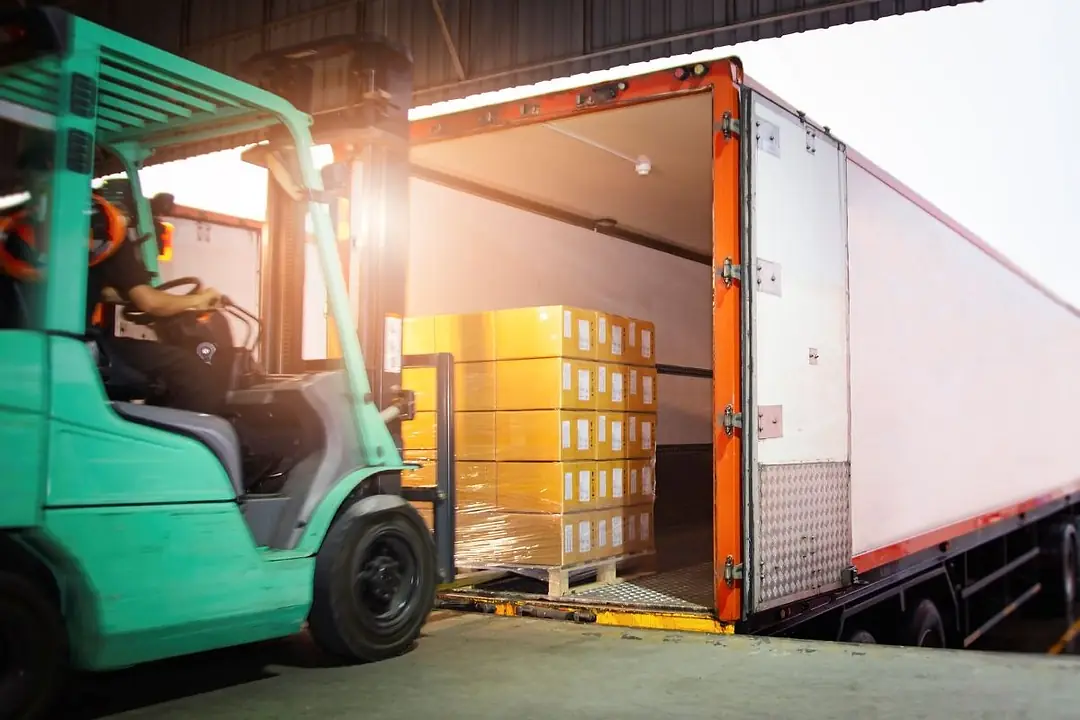
Photo: iStock/1933bkk
Transportation costs are climbing across parcel, brokerage and dedicated fleet operations, putting pressure on companies to find savings wherever they can. But the most obvious place to look is often the transportation budget itself, where an organization can negotiate better carrier rates, rebid contracts or shift freight to a cheaper service.
While those moves can help, they can miss a larger source of raised costs. Transportation expenses are often shaped well before a shipment is handed to a carrier, through decisions about where inventory is stored, how many warehouses a company operates and how quickly customers expect orders to arrive.
Jamie Saucedo, senior vice president of business operations with GXO, says many companies have become very good at measuring individual costs inside transportation or warehouse operations. The harder task is bringing those figures back together and understanding how a decision in one area changes costs somewhere else.
“The cost of a decision is sometimes showing up on someone else’s budget,” Saucedo says.
That can create a misleading picture of performance. A transportation team might find a lower rate, while the warehouse network that feeds those shipments adds distance, labor or inventory costs. A warehouse can also look inexpensive on its own, even if its location forces a company to spend more on outbound delivery.
Mike Swenson, senior director of transportation with GXO, describes the risk as “jumping over $1 to pick up a penny,” where a choice looks reasonable in one part of a profit-and-loss statement but creates costs elsewhere.
“Something can look very good on paper, and then you end up having the ripple effects downstream,” he explains.
Looking Beyond the Rate Card
Transportation procurement has long focused on what a carrier charges to move a shipment from one point to another. Saucedo says that approach can lead companies to ask for a lower rate without questioning whether the shipment should be traveling from that location in the first place.
Warehouse location is one of the biggest factors behind that answer. A company that treats its existing facilities as fixed points will naturally build a transportation strategy around them. But in some cases, a larger network redesign can produce greater savings over time, even if moving or replacing a facility comes with a higher upfront cost.
The tradeoffs extend beyond transportation as well. A warehouse placed near a major customer base could reduce delivery miles but struggle to hire enough workers. Another market could offer cheaper real estate and a stronger labor pool but add time and expense to the final leg of delivery.
Those choices can affect customer experiences too, Swenson notes. And a warehouse strategy that seems to work well on the surface can still create longer delivery times or less reliable service if transportation is considered separately.
That makes network design a balancing act involving demand, labor, real estate, inventory and service expectations. The right answer depends on what a company is trying to deliver to customers and how much speed they require.
After analyzing the data, companies that had previously decided on warehouse location based soley on transportation proximity to major markets are considering alternative locations that factor in both transportation AND warehouse costs. For example, Swenson says, a company wants to operate warehouses out of California and New Jersey. The transportation rates are favorable because they are close to their major customer markets, but the warehousing costs will increase due to local labor and real estate rates. A more advantageous option could be to operate out of Tennessee and Nevada with better warehousing costs and minimal transportation impact.
“You look at a warehouse solution that may make sense, but it doesn’t optimize the transportation piece of it. You’re now essentially paying more on the back end for it, or even worse, providing a suboptimal customer experience.”
A Changing Transportation Mix
This comes as today’s service expectations are changing rapidly.
Many consumers appear more willing to accept slower shipping than they were during the height of the e-commerce boom, provided they have clear tracking information and a reliable delivery date. A five-day ground service can work if the package consistently arrives on the promised day, and customers can see where it is at any given moment.
That creates more room for companies to rethink the transportation services they use, while businesses can match different providers and delivery speeds to fit different customer needs.
Companies still need a manageable group of preferred providers so they can maintain service standards and buying power, Swenson says. At the same time, relying too heavily on a single carrier can leave a network exposed when prices, capacity or service conditions change.
Swenson references a leading jewelry brand’s experience. To protect the brand from potential ecommerce parcel shipping disruption caused by a single carrier’s capacity constraints, a diversified multi-carrier transportation strategy was designed and implemented. By expanding the network from one carrier to four and introducing carrier-specific routing rules, the brand ensured business continuity and reduced ground shipping costs by approximately 40-45% while maintaining service levels.
“You have to have some level of preferred vendors and preferred partners you want to deal with, but you can’t be single-threaded,” Swenson adds.
Learning Across Competitors and Industries
Companies have more data available to compare their networks against peers, but benchmarking can be misleading when used without context. They frequently ask how their costs and service levels compare with others, Saucedo notes. Those comparisons can be useful, particularly when they show how similar businesses structure warehouse networks or delivery operations. But, a benchmark only matters if the businesses being compared are trying to accomplish similar objectives.
“Chasing a benchmark that you attain from what you believe is a competitor can be a false leader if the end result is actually different than what your organization finds to be valuable,” she says.
A retailer promising next-day delivery should expect a different cost structure from one that is comfortable with five-day shipping. The same applies to companies with very different products, customer bases or labor needs.
Saucedo also sees value in looking beyond direct competitors. Practices used in healthcare or temperature-controlled transportation, for example, might offer lessons around speed, visibility and reliability that can be applied in other sectors.
That broader view is especially vital as companies have spent the last several years rethinking where their inventory belongs. Many businesses entered the pandemic with separate warehouse networks for e-commerce and wholesale, but as demand shifted, some combined those networks and spread inventory across more locations. Now, they’re finding that they have inventory in too many places, adding unnecessary cost and complexity.
Building a Total Cost-to-Serve Mindset
Both Saucedo and Swenson say that the biggest obstacle to a more connected approach is often internal.
Transportation, warehousing, finance, planning and sourcing teams may each work from their own data, budgets and performance measures. Bringing those groups together requires shared visibility into the full cost of serving a customer, along with a common understanding of which decisions push those costs higher or lower.
“It’s being intentional about sharing data, sharing visibility and sharing metrics,” Saucedo says. “It’s equally a culture change as it is an analytical change.”
Saucedo recommends that companies start by combining warehouse and transportation costs into a shared view, even if the first version is imperfect. From there, they can improve the quality of the data feeding that picture and make sure teams understand how their decisions affect the wider network.
That shift can also change how companies think about savings. Traditional cost reduction can come from a carrier bid or contract negotiation and could show results within weeks or months. Cost avoidance often takes longer, involving changes to inventory placement, facilities, transportation modes or the broader network.
While those decisions can take years to fully play out, they also address the underlying reasons costs exist in the first place. For supply chain leaders, warehouse and transportation budgets cannot be viewed in isolation, and the strongest savings opportunities often sit between the two.
“You really have to look at it holistically,” Swenson says.
Resource link: https://gxo.com/
Popular Stories





100 Great Supply Chain Partners 2026: The Secret to Supply Chain Success
VIEW THE LATEST ISSUECase Studies


Visit Our Sponsors |
|
|
|
|
|
|
|
|
|
|
|
|
|
|
|
|
|
|
|
|
|
|
|
|
|
|
|
|
|
|
|
|
|
|
|
|
|
|
|
|
|
|
|
|
|
|
|
|
|
|
|