 RSS
RSS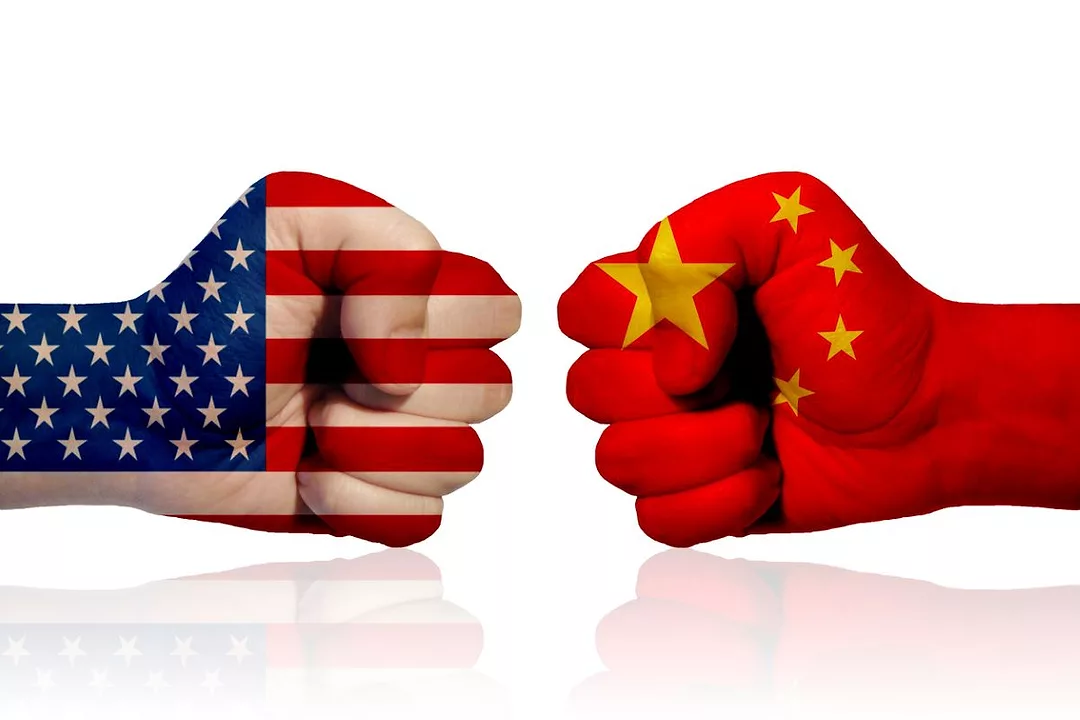
.webp?height=100&t=1784835632&width=150 "LSG26_LTAgentEdgeImage_DB-1313-1 (1).png")
Global businesses are facing a complex environment for cross-border trade in 2025.
Under the banner of safeguarding national security interests, protecting strategic local businesses, and advancing foreign policy objectives, tariffs and trade barriers have been on the rise since 2020, especially for high-tech, dual-use, and artificial intelligence technology and the materials and equipment needed to produce them (such as semiconductors). As trade tensions intensify, tariffs are poised to surge even higher.
In a 2024 Descartes survey of the most significant global trade issues facing logistics and supply chain leaders today, respondents identified rising tariffs and trade barriers as their top challenges. This concern was shared by organizations of all sizes, although it was more worrying for fast-growing companies.
Given the strong likelihood of additional tariffs on a wide variety of goods and countries of origin, U.S. importers are bracing themselves for the impact. They recognize that significant re-engineering of sourcing strategies may be in order to mitigate potentially higher costs — and there’s no time to waste. China has already enacted new trade controls against U.S. companies such as Raytheon, Boeing and Lockheed Martin, adding a total of 28 to an export control list and signaling a willingness to retaliate against the U.S. with its own sanctions.
In addition, if history tells us anything, China will also employ non-tariff barriers (such as administrative hurdles, inspections and quotas) in the impending trade war, disrupting the flow of goods. Non-tariff barriers were responsible for 50% of the overall reduction in China’s imports from the U.S. during the height of the U.S.-China trade conflict in 2018 and 2019.
Disrupting the Flow of Goods
Rising tariffs and trade barriers aren’t the only challenges facing companies engaged in international trade in 2025. Supply chain disruptions, from extreme weather events and cyberattacks to the Red Sea crisis, chronic labor shortages and strikes continue to choke the movement of raw materials, equipment and finished goods. With unprecedented pandemic-driven supply chain chaos lingering in the back of their minds, business leaders are grappling with how to manage potential new supply chain disruptions triggered by geopolitical conflict, natural disasters and more complex compliance regulations.
Descartes’ 2024 Supply Chain Intelligence Report revealed that larger organizations (52% of companies with 1,001 to 50,000 employees, compared to 45% overall) identified supply chain disruption as their top trade challenge — even more pressing than rising tariffs. This view among large organizations is likely because larger, more diverse businesses have more complex and less agile operations, making in-depth strategic planning more important for long-term growth.
In addition, the 2024 survey revealed that 62% of respondents feel large-scale supply chain disruptions are likely to be a recurring challenge for the foreseeable future. As a result, many organizations are taking practical steps to build resilience into their supply chains, conducting scenario assessments and formulating risk-mitigation contingency plans that can be put into effect at short notice.
Instability on the Geopolitical Front
Worsening geopolitical instability is a serious concern moving forward. A deepening informal alliance between China, Russia, Iran and North Korea dubbed CRINK, Russia’s relentless war against Ukraine, and widening conflict in the Middle East, are collectively causing uncertainty among global traders. Faced with growing instability and unpredictability, businesses must plan their supply chain strategy with great care, weighing the pros and cons of transacting business in one market or region over another.
The Descartes survey found that larger and faster-growing organizations perceive geopolitical instability as a major challenge to their global trade operations. Consequently, companies involved in cross-border trade need to establish a process to quickly identify geopolitical volatility in key markets and generate contingency plans. The deep-tier mapping of supply chains to manage upstream supplier risk and downstream buyer exposure enables organizations to not only ensure trade compliance, but mitigate potential disruptions due to geopolitical shifts, while simplifying the process of identifying alternative suppliers.
Compliance with global trade regulations remains a key priority for supply chain leaders in 2025. As the complexity of customs and regulatory compliance increases — from tariff changes to sanctions, denied-party lists and new standards around sustainability and ethical sourcing — organizations are looking to hone their compliance efforts, with a keen focus on emerging environmental, social and governance (ESG) requirements.
The Descartes survey found that mid- to large-size organizations recognize ESG as their primary international trade challenge, understanding that non-compliance can impede growth in the long run. By contrast, smaller organizations were much less concerned, but still need to take into account ESG in their planning.
Building a resilient supply chain is critical for sustaining profitability in the face of mounting global trade challenges. The good news is that many companies nevertheless continue to report steady growth, with expectations for revenue acceleration in the coming years.
Companies are drawing on trade and intelligence tools and strategies to support sustainable growth and mitigate the shockwaves from supply chain disruptions. As a result, they’re able to keep pace with tariff updates, stay apprised of trade and other compliance regulations, quickly identify trouble spots in their supply chains, and formulate timely risk-mitigation plans.
As the international trade landscape grows more complex and unpredictable, companies must adapt. By focusing on building supply chain resilience through compliance, technology and strategic planning, business leaders can lay the groundwork to both meet trade compliance requirements and assuage the impact on their supply chains from whatever global trade challenges 2025 brings.
Jackson Wood is director of industry strategy, global trade intelligence for Descartes.


.webp?height=100&t=1784491177&width=150 "030_ai_in_the_warehouse-_real_use_cases_v1-(540p).png")


