RSS
RSS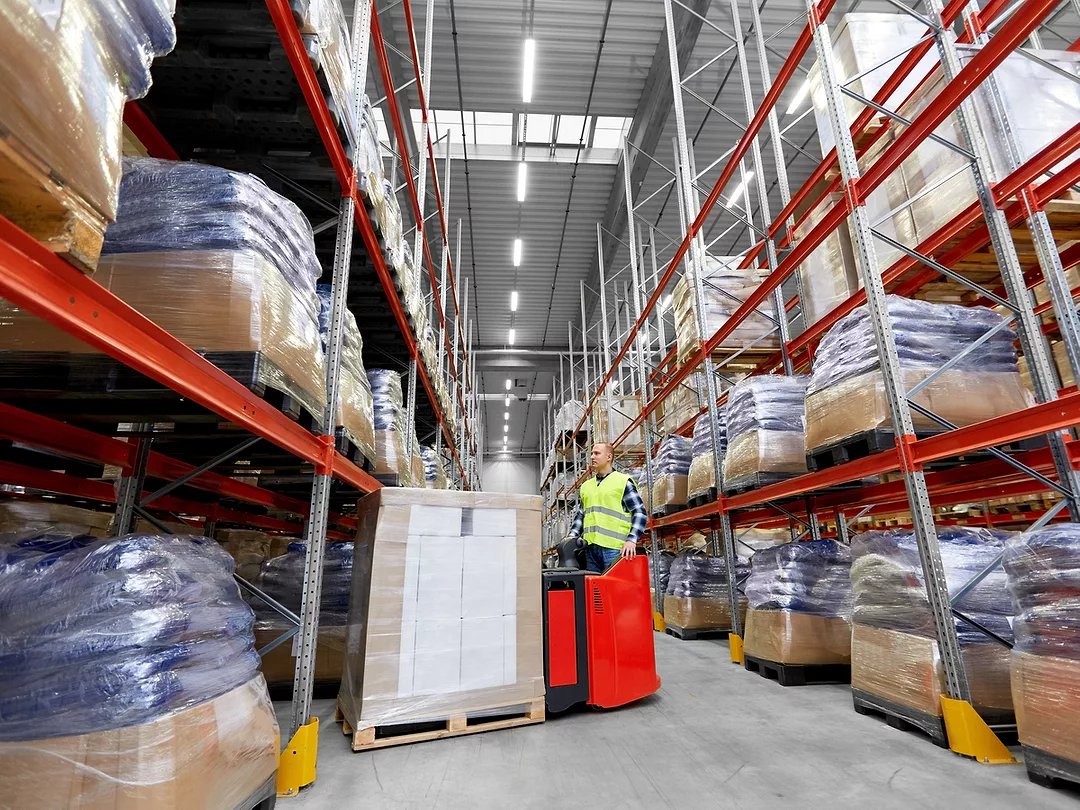

As sustainability comes into sharper focus for businesses, industries across every sector are analyzing ways to mitigate the impact of their carbon footprint, the amount of greenhouse gases (specifically carbon dioxide) that their activities emit directly or indirectly. With experts singling out these emissions as the main contributing factor to the greenhouse effect, many business leaders are seeking more sustainable, green solutions.
It takes a lot of energy to make and distribute essential products and materials, and supply chains are a significant contributor to overall carbon emissions. As a report by the World Economic Forum in collaboration with Boston Consulting Group (BCG) notes, “Decarbonizing supply chains could be a game-changer for global climate action with a potentially huge impact.”
As a vital link in the supply chain, warehousing and distribution is one area on which logistics companies can focus to help reduce their carbon footprint.
The environment impact of the warehousing sector is significant and growing, as the acceleration of e-commerce drives demand for more warehouse space. Commercial real estate services firm CBRE projects net absorption of 250 million square feet of warehouse space in 2021, spurring new construction which, according to the firm, is already at near-record levels.
As demand for warehousing grows, so does the imperative for greener warehousing solutions. To deliver on this imperative, logistics providers can implement sustainable practices in warehouses old and new. Following are six strategies to consider for decreasing greenhouse gas emissions and operating an eco-friendly warehouse.
Upgrade lighting. This is is one of the easiest ways to make warehouses environmentally friendly. Switching to low-energy LED lighting that uses less electricity than incandescent lighting can help warehouses reduce harmful greenhouse gas emissions. Durable and efficient, LED lighting not only saves energy but provides the added benefit of cost savings. According to the U.S. Department of Energy, widespread use of LEDs by 2027 could save the approximate equivalent annual electrical output of 44 large electric power plants (1000 megawatts each) and a total savings of more than $30 billion at today's electricity prices.
Sensors and natural tube lighting are additional energy-saving solutions. Sensors monitor room occupancy to preserve energy when rooms aren’t in use, while natural tube lighting can offer greater visibility to help reduce day-time energy consumption.
Implement stormwater management. Diverting rain, melting snow and other water runoff from flowing into municipal stormwater systems is also key to sustainable warehouse operations. Sustainable approaches include closed pipe network systems that direct runoff to an on-site stormwater management system for quantity control and quality treatment.
Use electric forklifts. Transitioning from internal combustion forklifts to electric units is another way to minimize a warehouse’s carbon footprint. These economical and energy-efficient vehicles emit zero harmful emissions in the facility, which is not only better for the environment but healthier for employees.
Using electric forklifts can save approximately 24,000 pounds of carbon per unit. These units are also quieter and require less maintenance, which reduces operational costs.
Go paperless. Lowering consumption of single-use paper at warehouses is another green practice that enhances supply chain sustainability. Warehouse paper consumption can be dramatically reduced, and efficiency increased, by using paperless dock management and handheld systems.
Use solar power. Use of a a renewable energy source such as solar in warehouses drives down carbon emissions, reduces costs and controls energy consumption. The large, flat roofs of most warehouses provide an ideal surface for installing solar panels to generate electricity.
Go beyond the warehouse. Companies can go further make sustainability a core part of their supply chain strategies by looking at transportation and logistics service providers that take an end-to-end approach to green supply chain practices. This not only includes optimizing warehouse operations, but integrating sustainability initiatives into transportation to reduce environmental impact.
Logistics providers that most effectively help customers reduce their carbon footprint are those that employ green practices throughout their operations. Relevant practices range from increasing engine efficiency to minimize fossil fuel waste to conserving water.
Electric and hybrid-electric trucks are rapidly gaining traction as a solution that drives sustainable improvements in the supply chain. Other green transportation options include trucks equipped with cruise control that’s integrated with the forward-looking collision system, allowing smooth speed transitions that save fuel, and self-inflating tires, which reduce fossil fuel waste by maintaining proper tire air pressure.
Other strategies for decarbonizing transport include equipping fleets with 11L and 13L engine trucks that are designed to carry more freight at a higher fuel efficiency, and governing trucks to a maximum speed of 68 mph to reduce waste. Transport providers with newer fleets of trucks are more environmentally friendly, minimizing exhaust emissions and improving fuel economy.
Sustainability is increasingly becoming a business imperative. A 2020 report on supply chain sustainability by the MIT Center for Transportation & Logistics and the Council of Supply Chain Management Professionals found that nearly half of supply chain professionals surveyed were under pressure to improve their firms’ supply chain sustainability adoption. Moreover, preliminary findings in the 2021 report see this pressure on the rise, despite the challenges of the global pandemic.
For logistics companies, optimizing warehouse operations for sustainability is a critical part of delivering on this imperative.
Andy Moul is director of warehouse and distribution services at A. Duie Pyle.