SCB FEATURE
Supply Chains Brace for Looming Threat of Super El Niño
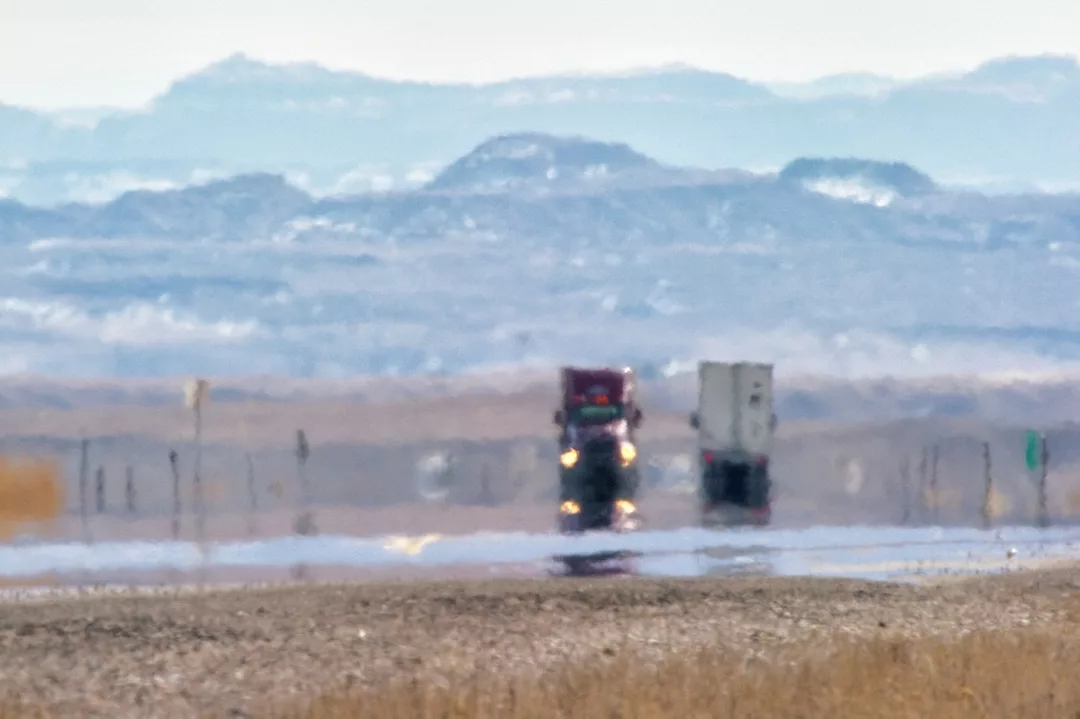
Photo: iStock/Hoptocopter
A powerful Super El Niño is expected to bring extreme weather to nearly every corner of the globe, creating new challenges for supply chains that have already been strained by geopolitical tensions, tariffs and trade disruptions.
To understand the risks posed by the arrival of a Super El Niño season, it's important to first understand exactly what it entails. On its own, El Niño is a weather pattern that arrives every two to seven years or so, marked by sea temperatures along the equatorial Pacific rising by 0.5 degrees Celsius above average over the course of several months.
"Because of the Pacific Ocean’s tremendous size, disturbances there can lead to climate disturbances around the globe," the National Oceanic and Atmospheric Administration explains. "To the rest of the global atmosphere, the arrival of El Niño in the Pacific is like a giant ringing a bell so loudly that it knocks the dishes off the shelves in a house down the street. The atmosphere hears the echoes from El Niño from thousands of miles away."
A typical El Niño year starts in the summer but will peak in the winter months, bringing heat waves and drought conditions to some parts of the world, while battering others with heavy rains and flooding.
Although each El Niño is different, meteorologists have been sounding the alarm for months over what they believe could be a much stronger weather event this year, known colloquially as "Super El Niño." During that more extreme iteration, sea surface temperatures in the Pacific rise by 2 degrees Celsius or more above the historical average, kicking all the trademark heat waves, droughts and floods seen during a normal El Niño into high gear across the globe, and threatening everything from crop yields to water supplies.
Suffice it to say the impacts of a Super El Niño on supply chains would be substantial, with disruptions expected to ripple across agriculture, shipping and manufacturing.
"There are quite a few industries that are going to be at risk," says Joe Adamski, senior director for procurement service provider ProcureAbility.
The history of previous Super El Niños paints a picture of what that could look like. During one such event in 1876-78, widespread droughts that spanned multiple continents brought historic famines to India, Brazil and China, killing more than 50 million people and triggering one of the deadliest climate-related disasters in recorded history. More recently, 2015-16's Super El Niño led to devastating drought and famine in Ethiopia, with parts of the northeastern highlands receiving just 30% of their normal rainfall, and more than 8 million people across the country needing food aid as a result of lost crops.
This year, Accuweather meteorologists believe that a potential Super El Niño — which would likely peak in the winter — could be one of the strongest in history, and might even linger well into next year.
“If the long-term drought is as bad as it could be, and you are starting off already with severe drought, this raises the real possibility of a ‘mini-Dust Bowl,’" says Accuweather founder Dr. Joel Myers. "Soybeans will be stressed further in the months and years ahead, and yields on some of these crops will be reduced in parts of the country. If that happens, it will have a negative impact on food production, leading to price inflation."
Concerns at the Panama Canal
For the maritime industry, one of the greatest concerns is that drought conditions could threaten water levels in the Panama Canal. Low levels led to severely limited vessel traffic, and drove up transportation costs during the last major drought in 2023-24. The warning signs have already started to surface — as of July 6, the Panama Canal Authority (PCA) has already had to reduce the maximum authorized draft for vessels moving through the canal's Neopanamax locks twice this year, meaning that some ships may need to carry lighter loads in order to safely pass through parts of the waterway in the months ahead.
While the PCA has spent the years since the historic 2023-24 drought dredging parts of the canal and taking steps to improve operations, the waterway remains highly dependent on rainfall, and could still face renewed capacity constraints if drought conditions intensify this winter. Given existing disruptions in the Strait of Hormuz and Suez Canal that have shown few signs of abating, any slowdown in the Panama Canal would leave ocean carriers facing simultaneous slowdowns across three of the world's most vital shipping corridors.
"It's just going to continue to snowball," warns Adamski.
New Risks for Manufacturing
During the last Super El Niño in 2015-16, drought conditions in Southeast Asia led to widespread forest fires that devastated the region's agricultural sector. This time around, a potential Super El Niño drought threatens not only farms, but also the semiconductor fabs and AI data centers that depend on enormous volumes of water to operate. We saw that firsthand during a drought in Taiwan in 2021, which slowed manufacturing and led to a global chip shortage that took years to fully recover from.
Taiwan has invested heavily in water recycling, desalination and reclaimed water in the wake of the 2021 drought, but the island's semiconductor industry still remains highly exposed to water risks, continuing to rely on consistent rainfall during the region's monsoon season. And with the semiconductor industry producing more advanced chips than ever before, the need for reliable water sources has only grown in the years since Taiwan's last chip shortage.
Read More: How Water Risk is Threatening the World's Supply Chains
"Then you have the knock-on effect on the data centers themselves," Adamski points out, which can consume as much as 1.8 billion gallons of water each year, making them similarly vulnerable to any disruptions to water supplies.
What's Next
NOAA's Climate Prediction Center officially declared the start of the El Niño season on June 11. The odds of it escalating into a Super El Niño by the winter currently range anywhere between 63% and 80% according estimates from NOAA meteorologists and World Meteorological Organization, respectively.
Exactly how severe the ensuing disruptions become will depend on the strength of the event, but Adamski says the warning signs are already clear enough that businesses should begin evaluating where their supply chains remain most exposed.
"All of the indications are that it is going to be pretty strong," he says. "That is a risk we need to be aware of and prepared for."
Popular Stories


SupplyChainBrain 2026 ESG Guide: ESG — The Supply Chain’s Biggest Secret
VIEW THE LATEST ISSUECase Studies


Visit Our Sponsors |
|
|
|
|
|
|
|
|
|
|
|
|
|
|
|
|
|
|
|
|
|
|
| |
|
|
|
|
|
|
|
|
|
|
|
|
|
|
|