
U.S. Corn Industry: Coca-Cola's Rumored Switch to Cane Sugar 'Doesn't Make Sense'
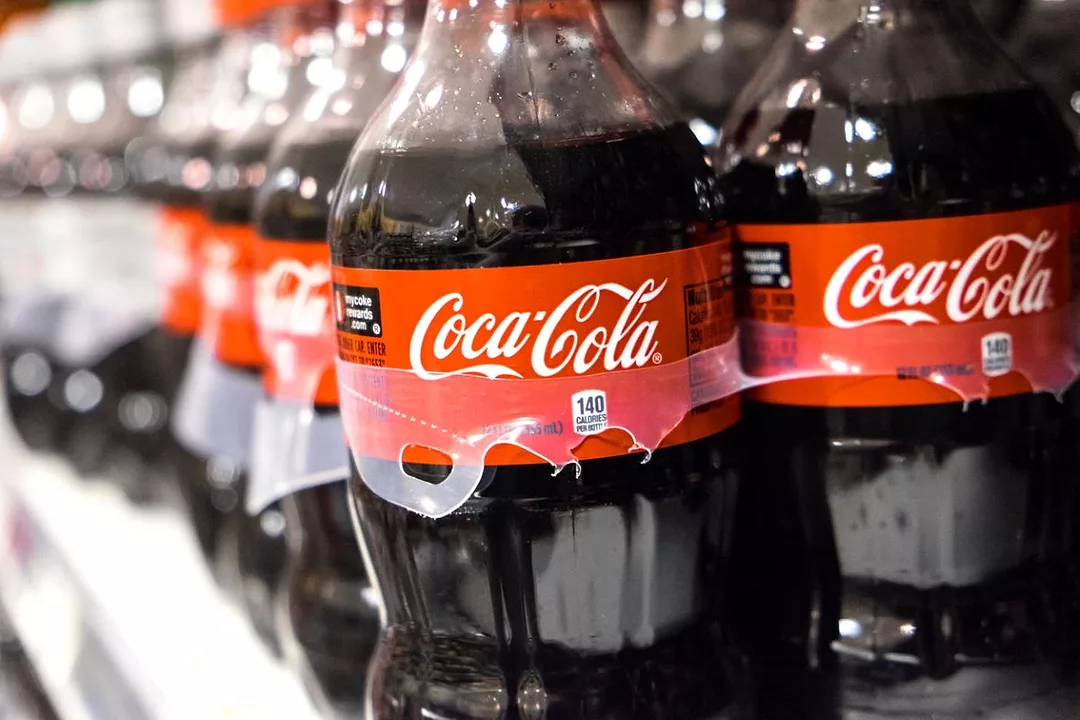
Photo: iStock/Juanmonino
The U.S. agriculture industry is warning that Coca-Cola's rumored switch from high-fructose corn syrup to real cane sugar for soft drinks sold in the U.S. could jeopardize the country's corn farmers.
In a July 16 statement, Corn Refiners Association president John Bode was critical of Coca-Cola's potential switch to cane sugar, claiming that it "doesn't make sense."
"Replacing high fructose corn syrup with cane sugar would cost thousands of American food manufacturing jobs, depress farm income, and boost imports of foreign sugar, all with no nutritional benefit," he said.
The reaction was in response to a July 16 post to President Donald Trump's Truth Social platform, in which h said he had spoken to Coca-Cola about switching to cane sugar, and that "they have agreed to do so." Coca-Cola initially said that it appreciated the president's enthusiasm, and teased at more details on new offerings for its products soon. Then on July 17, the soft drink company — which uses cane sugar for drinks sold in Mexico and the U.K. — released a follow-up statement defending its use of high-fructose corn syrup.
“It’s safe; it has about the same number of calories per serving as table sugar and is metabolized in a similar way by your body," Coca-Cola said.
Trump's Health and Human Services Secretary Robert F. Kennedy has frequently spoken out against the supposed health risks posed by high-fructose corn syrup, claiming in promotional videos that it is "just a formula for making you obese and diabetic." Prior to his Senate confirmation, Kennedy vowed to ban the use of corn syrup in the U.S. altogether.
The U.S. holds a 74% market share in the global high-fructose corn syrup market. And, according to data from the National Corn Growers Association, the U.S. is the world's largest producer and exporter of corn, with the corn farming industry generating an estimated $123 billion in total economic output in 2023, and supporting more than 440,000 jobs.
As a byproduct of highly-subsidized cash crop, corn syrup represents a far cheaper alternative to cane sugar, which is primarily produced in Mexico and imported into the U.S. Because of various tariffs and restrictions on foreign sugar, U.S. sugar costs per pound rose from $27.20 to $54.10 between 2013 and 2024, according to the Sweetener Users Association.
Popular Stories




100 Great Supply Chain Partners 2026: The Secret to Supply Chain Success
VIEW THE LATEST ISSUECase Studies


Visit Our Sponsors |
|
|
|
|
|
|
|
|
|
|
|
|
|
|
|
|
|
|
|
|
|
|
|
|
|
|
|
|
|
|
|
|
|
|
|
|
|
|
|
|
|
|
|
|
|
|
|
|
|
|
|