Warehouse automation decisions are often based on assumptions about future volume, labor, SKU mix, workflows, and facility requirements. The challenge is that those assumptions rarely stay fixed over the life of an automation investment.
For many supply chain organizations, putting artificial intelligence to work is proving to be a much bigger undertaking than simply adding a new piece of software.
PING, a leading manufacturer of innovative golf equipment and accessories for everyone from tour pros to weekend players, partnered with John Galt Solutions to strengthen its supply chain planning capabilities. Through implementation of Galt’s Atlas Planning platform, PING was able to create a fully integrated demand and supply planning environment.
Supply chains by their nature are complex, interconnected systems where the source of a disruption is rarely obvious at first glance. What might take a team of analysts days to unravel can be surfaced and contextualized far more efficiently through GenAI, freeing up planners to focus on response efforts rather than diagnosing the core issue.
The biggest lesson so far has been that the technology can help the company move faster, but only after the underlying work is simplified enough to keep pace.
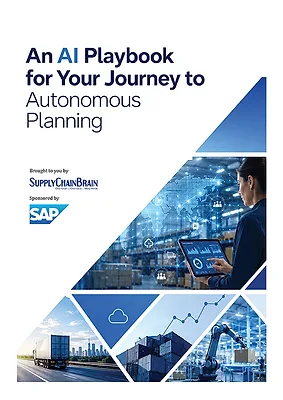
For today’s Chief Supply Chain Officer, the challenge is no longer simply creating a better plan. It is building an operating model that can continuously sense, reason, adapt, and act as conditions change
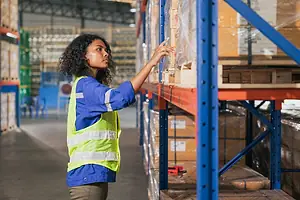
By analyzing real-time operational data alongside historical patterns, AI can optimize order fulfillment, dynamically direct picking routes, and reduce unnecessary travel and handling.
The latest news, analysis, trends and solutions for artificial intelligence (AI) and its impact on supply chain management. New AI technologies are transforming the way companies do business — and allowing them to stay ahead of the competition in their industries. As these solutions continue to evolve, businesses are discovering new ways to increase efficiency and cut costs. Learn how companies around the world are improving operations through their strategic use of AI and machine learning technologies for supply chain management.
Subscribe to our Daily Newsletter!
Timely, incisive articles delivered directly to your inbox.