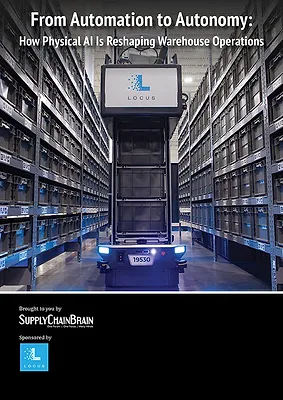
True warehouse autonomy depends not on automation alone, but on how effectively those systems work together within an integrated, intelligent ecosystem.
The warehouse is only one part of the equation. Large and bulky products typically require a different transportation and final-mile delivery model as well.
Warehouse managers can plan for a lot of things. They can forecast seasonal demand, optimize inventory levels and redesign workflows to improve efficiency. But what they can't plan for is every unexpected disruption that occurs throughout a normal workday.
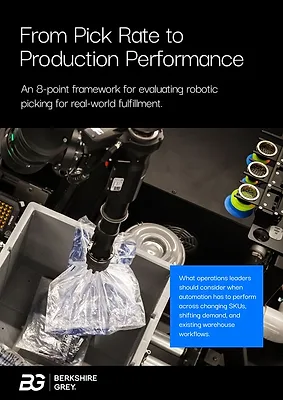
A robotic picking system can post an impressive pick rate and still leave your team handling too many exceptions. For fulfillment leaders, the real test is how much of your operation’s picking volume it can handle reliably. And whether that performance holds as products, packaging, and demand change.
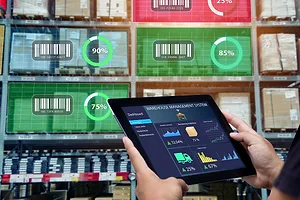
RFID and machine vision are gaining momentum because they offer a practical, cost-effective path to automation. Unlike large-scale robotics projects that often require major facility redesigns and significant capital investment, RFID readers and AI-powered camera systems can typically be layered onto existing warehouse and manufacturing operations.
Will McInnis, director of sales with Robust.ai, talks about how third-party logistics providers can start their automation journey, and make the right choices in an ever-expanding world of choices.
Today, every manual lift, restack and repalletizing step adds cost, risk and delay — all while increasing physical strain on a workforce that is already stretched thin.
Modern-day sortation technologies — including hardware, software and data— at middle-mile cross-docks give retailers and shippers the tools to transcend the “transportation-only” mindset.
Autonomous robots designed to augment humans and adapt to operational shifts are helping companies make the pivot away from rigid, capital-intensive systems.
The latest news, analysis, services and solutions regarding conveyors and sortation for warehousing and distribution. Today’s companies are moving goods across more suppliers, vendors and customers than ever before, and warehouses are critical points in the overall supply chain. New technologies in conveyors and sortation systems are transforming the way warehouses and distribution centers operate — and allowing them to stay ahead of the competition in their industries. As these solutions continue to evolve, businesses are discovering new ways to increase efficiency and cut costs. Learn how companies around the world are improving supply-chain operations through their strategic use of conveyors and sortation in the warehouse.
Subscribe to our Daily Newsletter!
Timely, incisive articles delivered directly to your inbox.