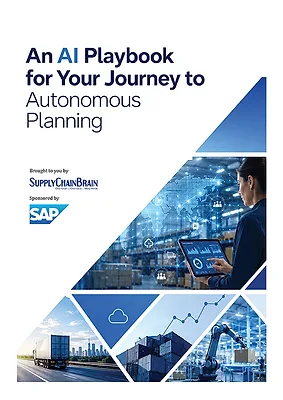
For many supply chain organizations, putting artificial intelligence to work is proving to be a much bigger undertaking than simply adding a new piece of software.
PING, a leading manufacturer of innovative golf equipment and accessories for everyone from tour pros to weekend players, partnered with John Galt Solutions to strengthen its supply chain planning capabilities. Through implementation of Galt’s Atlas Planning platform, PING was able to create a fully integrated demand and supply planning environment.
Supply chains by their nature are complex, interconnected systems where the source of a disruption is rarely obvious at first glance. What might take a team of analysts days to unravel can be surfaced and contextualized far more efficiently through GenAI, freeing up planners to focus on response efforts rather than diagnosing the core issue.
The biggest lesson so far has been that the technology can help the company move faster, but only after the underlying work is simplified enough to keep pace.
Supply chain leaders have spent years trying to improve forecasts, gain better visibility and react faster when conditions change. Artificial intelligence is changing that equation by shifting how information reaches planners, how quickly they can test alternatives, and which tasks still require human attention.
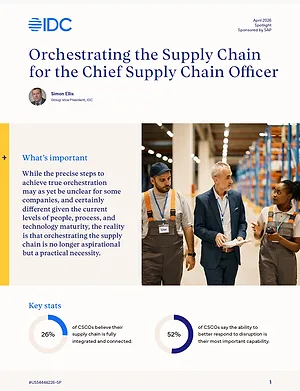
For the chief supply chain officer (CSCO), the importance of an orchestrated supply chain cannot be overstated, particularly where speed and agility can mean the difference between strong and weak performance.
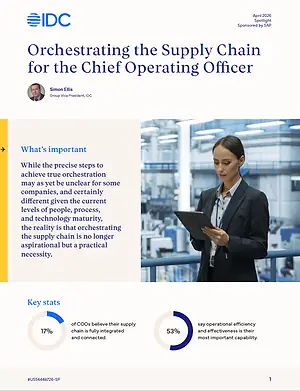
For the chief operating officer (COO), the importance of an orchestrated supply chain cannot be overstated, particularly where speed and agility can mean the difference between strong and weak performance. Read the Spotlight from IDC based on recent research that explores the benefits of an orchestrated supply chain, as well as related challenges and obstacles.
The latest news, analysis, trends and solutions for big data, blockchain and the internet of things (IoT) and their impact on supply chain management. Big data describes the large volume of data that inundates a business on a day-to-day basis and can be analyzed for strategic business insights. IoT is the means that collects and sends data from a range of “things” — anything from watches to fridges to cars — that are connected to the internet with sensors or computer chips. Learn how companies around the world are using big data, blockchain and IoT for supply chain optimization and competitive advantage.
Subscribe to our Daily Newsletter!
Timely, incisive articles delivered directly to your inbox.