
Report: Use of Prison Labor at Hyundai Supplier Plants Drives Down Wages Overall
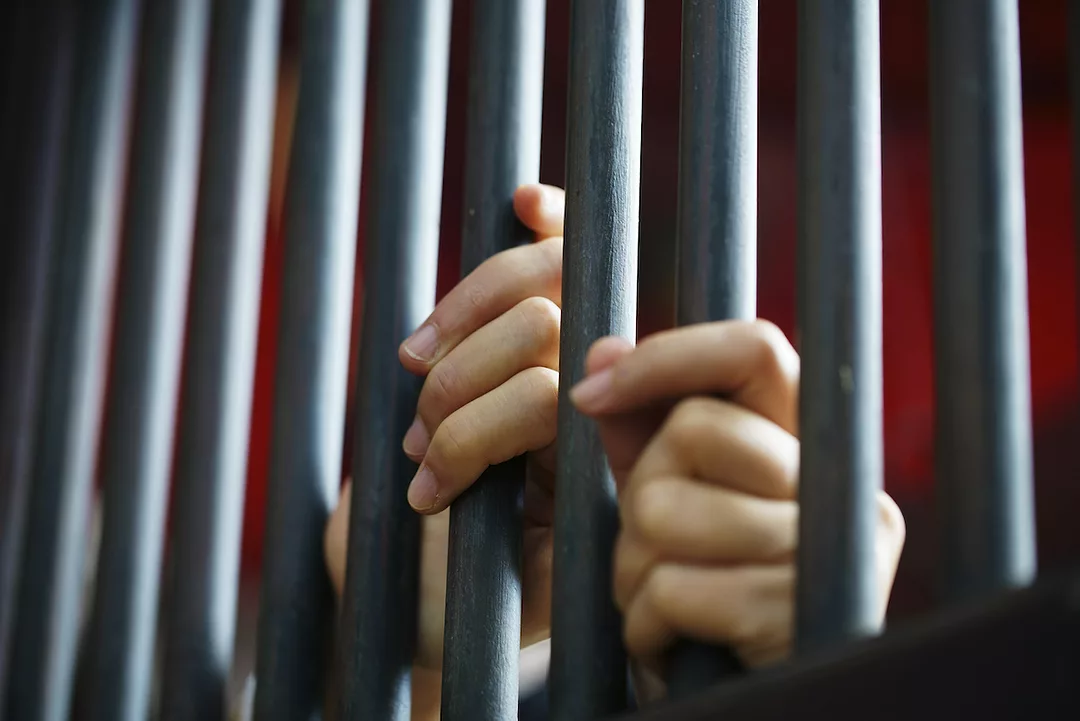
Photo: iStock.com/sakhorn38
The use of Alabama prison labor in Hyundai’s supply chain is driving down the wages of non-incarcerated workers by as much as 14%, say researchers at Columbia University.
A paper, “The Impact of Incarcerated Labor in Hyundai’s U.S. Supply Chain,” from Columbia University’s Labor Lab and Jobs to Move America (JMA) also says that inmates, who are paid for their work, also experience more frequent safety hazards, reports Al.com.
“It is past time to reckon with our dehumanization and exploitation of incarcerated workers and start treating them like other workers,” said the Economic Policy Institute in a January 16 statement. “Their work should be voluntary and provide meaningful training, they should be paid a minimum wage, and they should be provided the same protections as other workers
The Columbia report was authored by four researchers who surveyed about 600 autoworkers in Alabama, asking basic questions about wages and working conditions.
“Even when you just look at the free world workers, the non-incarcerated workers, we find that the plants that are using a higher share of incarcerated workers have worse wages, worse working conditions,” Columbia economics professor and co-author of the study Suresh Naidu told The Korea Times.
The report, citing state records, said about 13% of workers at plants that supply parts to Hyundai in Alabama are in the state’s prison work release program, where they face penalties, including punitive measures, if they refuse to work.
As a result, incarcerated workers are much less likely to quit, making it easier to keep pay lower for the entire workforce, the researchers concluded. The study found that, when the share of prison labor at a Hyundai Motor supplier rises by 10%, wages for non-incarcerated workers fall by 10-14%. Hyundai in a statement said that none of its suppliers have used prison labor since September 2024.
Of the 1.2 million people incarcerated in U.S. state and federal prisons, nearly 800,000 are prison laborers, says the EPI. While the majority are employed in facility maintenance and operations, such as janitorial duties, food preparation, grounds maintenance and laundry — tasks that keep the institutions that imprison them running — around 3% work for private-sector employers, where they earn more, but still often less than at plants employing entirely non-incarcerated workers.
U.S. legislation has a contradictory approach to forced labor. The Uyghur Forced Labor Prevention Act (UFLPA) of 2022, which seeks to prevent goods made in whole or in part with the forced labor of Uyghurs and other members of ethnic and religious minority groups from the Xinjiang Uyghur Autonomous Region, “has become a key part of U.S. efforts to eliminate forced labor from supply chains and promote accountability,” according to the Department of Homeland Security. The Act added to a ban on forced labor imports, first established in the Tariff Act of 1930, also known as the Smoot-Hawley Act, with the intention of protecting American labor and industries. Both Acts apply only to imported goods.
Alabama has an incarceration rate of 898 per 100,000 people, 1.5 times the national U.S. average, and more than six times that of the U.K.
Popular Stories




SupplyChainBrain 2026 ESG Guide: ESG — The Supply Chain’s Biggest Secret
VIEW THE LATEST ISSUECase Studies


Visit Our Sponsors |
|
|
| |
|
|
|
|
|
|
|
|
|
|
|
|
|
|
|
|
|
|
|
|
|
|
|
|
|
|
|
|