.webp?height=100&t=1784835632&width=150 "LSG26_LTAgentEdgeImage_DB-1313-1 (1).png")
Mondelēz Accused of Falling Short on Deforestation Promises
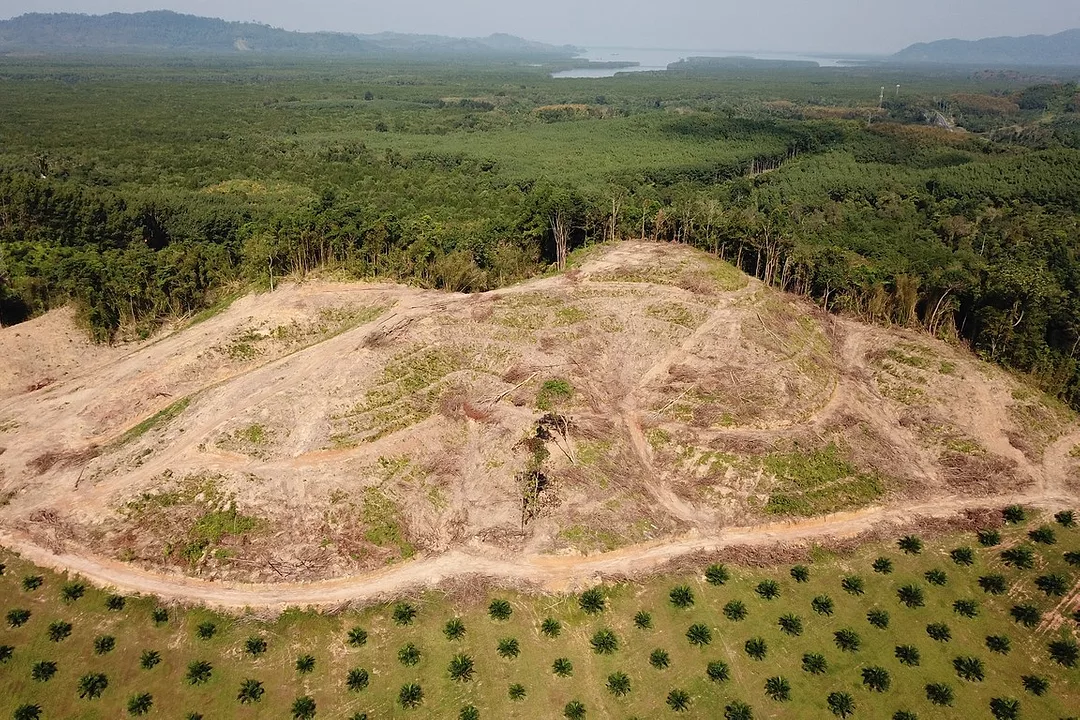
Palm oil cultivation. Photo: iStock/richcarey
A report from nonprofit AidEnvironment claims that there are major gaps between chocolate manufacturing giant Mondelēz International's sustainability commitments, and its actual progress in keeping its cocoa and palm oil supply chains free from deforestation.
According to satellite data analyzed by the nonprofit, more than 4,100 hectares of forest were cleared after 2020 in areas connected to Mondelēz’s cocoa and palm oil suppliers. The group also pointed to several transparency gaps, including Mondelēz’s continued use of sourcing systems that don’t allow for full traceability, its decision to stop publishing a full list of cocoa suppliers after 2021, and the lack of a public log showing how it handles complaints about suppliers.
Mondelēz, which was spun off from Kraft Foods in 2012, makes cookies, chocolates, gums, and powdered beverages in over 160 countries, reporting revenue for 2024 of $36.4 billion. Although Mondelēz has long positioned itself as a leader in the cocoa sector for its efforts to curb deforestation in its supply chains, AidEnvironment claims that the company's recent actions run counter to that public image.
“Mondelēz helped build the narrative that traceability and compliance are achievable, and then stepped back when accountability approached," AidEnvironment senior researcher Sarah Drost said.
In July 2025, Mondelēz called on the EU to further delay implementation of the European Union Deforestation Regulation, currently set to come into force in 2026 after a year's delay. The EUDR bans the sale of certain products if they come from land that was deforested after 2020. While Mondelēz has asserted that its farmers and suppliers need more time to meet the EUDR's strict traceability requirements, AidEnvironment claims that the company is trying to cover for its continued sourcing of cocoa through a so-called "mass balance system," which brings the product in from a mix of different farms, making it difficult to trace non-compliance back through supply chains.
The company also refused to participate in NGO coalition Voice Cocoa Network's "Chocolate Scorecard," and as such, was the lowest-ranked chocolate manufacturer in the report's deforestation and climate category. AidEnvironment added that Mondelēz’s shift toward advocating for an EUDR delay has raised concerns among several other environmental groups, with 35 Ivorian NGOs publicly criticizing the company for undermining progress toward transparent, deforestation-free cocoa supply chains.
When asked for a comment regarding AidEnvironment's report, a Mondelēz spokesperson referred SupplyChainBrain to its annual ESG reporting and disclosure page.
Popular Stories


.webp?height=100&t=1784491177&width=150 "030_ai_in_the_warehouse-_real_use_cases_v1-(540p).png")

SupplyChainBrain 2026 ESG Guide: ESG — The Supply Chain’s Biggest Secret
VIEW THE LATEST ISSUECase Studies


Visit Our Sponsors |