U.S. Spring Crop Planting Threatened by War Spike in Fertilizer Prices
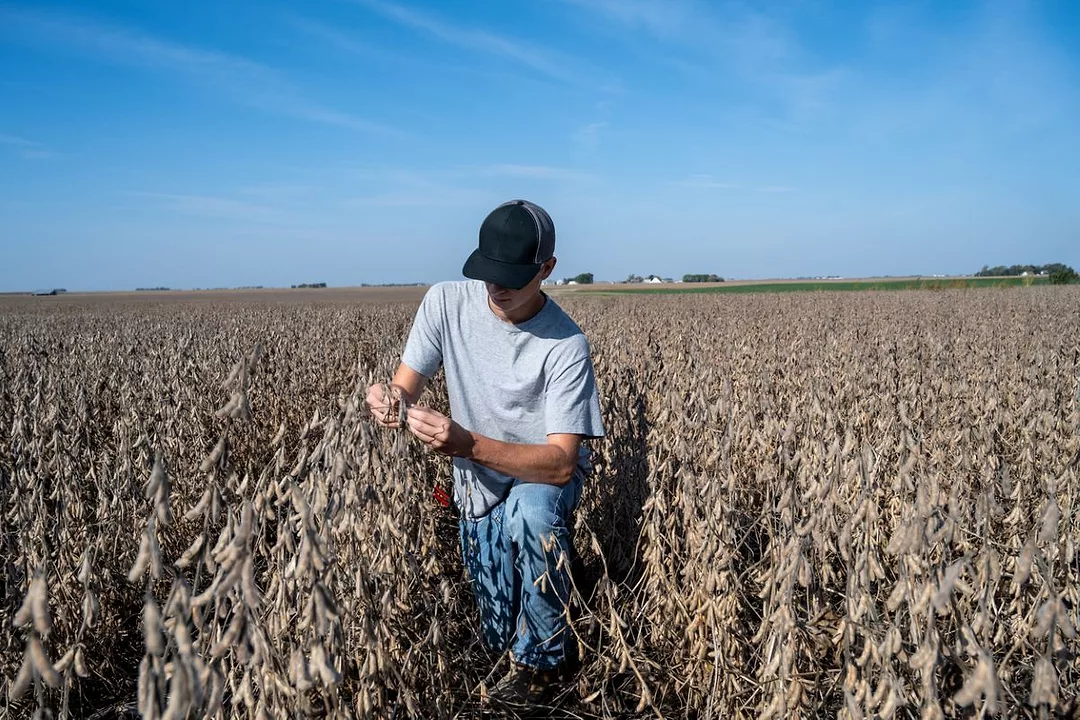
A midwest farmer checks soybeans before harvest. Photo: iStock/DS70
American farmers face disastrously increased fertilizer costs because of the U.S.-Israel war against Iran, says the Guardian. The war, which has led to the effective closure of the strait of Hormuz, has cut off a key fertilizer production and transportation route, just as farmers need it for the U.S. spring planting season.
The spike in prices — nearly doubled since the onset of the war — also comes as farmers are experiencing several years of losing money on growing crops.
Worse, some farmers may not be able to obtain fertilizer at any price, said Zippy Duvall, president of the American Farm Bureau Federation, according to a March 18 story on PBS News. The association sent a letter to President Donald Trump March 19, warning that farmers are being squeezed "to the breaking point."
Read More: Supply Chains Strain to Cope with the Effects of Iran War
The U.S. imports about 25% of its total fertilizer use, including 18% of its nitrogen use, says the American Farm Bureau, much of it from the Middle East region.
Fertilizer is the most volatile and significant non-land cost for most farmers, accounting for around a fifth of total production expenses for corn, for example, according to the U.S. Department of Agriculture (USDA). After three years of costs mostly exceeding revenue for U.S. farmers, the USDA had forecast 2026 would be another year of lowered profits, even before the spike in fertilizer prices.
The Guardian interviewed several farmers and analysts, some of whom said continued high fertilizer prices could mean farms are “not sustainable in the long run.”
Producers would have lost money in 2025, if it wasn’t for federal subsidies, including the $12 billion in bridge loans the USDA is offering to farmers hurt by Donald Trump’s tariffs.
Even in the case where farmers paid for fertilizer earlier, there’s a chance it may be stuck in limbo. Fertilizer deliveries from the Middle East can take up to two months to get to farmers in the U.S.
“We appreciate your longstanding commitment to rural America," says the letter to Trump, from the AFB and 53 other U.S. agricultural groups. "Now is the time to ensure that American agriculture can weather this period of extraordinary strain. Without timely assistance, continued losses risk accelerating farm closures, reducing domestic production capacity and weakening the ability of farmers and ranchers across this great nation to provide food, clothes and fuel for the American people.”
Popular Stories





100 Great Supply Chain Partners 2026: The Secret to Supply Chain Success
VIEW THE LATEST ISSUECase Studies


Visit Our Sponsors |
|
|
|
|
|
|
|
|
|
|
|
|
|
|
|
|
|
|
|
|
|
|
|
|
|
|
|
|
|
|
|
|
|
|
|
|
|
|
|
|
|
|
|
|
|
|
|
|
|
|
|