
Russian Oil Tanker Arrives in Cuba After U.S. Approved Passage
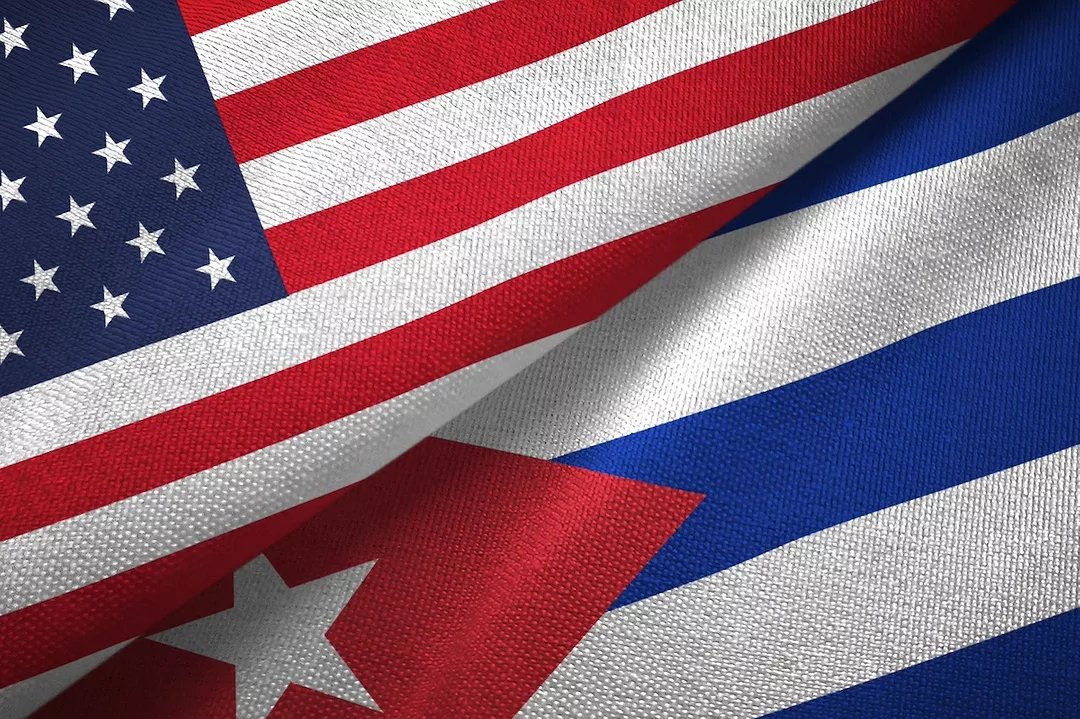
Photo: iStock / Oleksii Liskonih
A Russian tanker carrying 100,000 tons of oil has arrived in Cuba, as the Communist regime seeks to ease an energy crisis sparked by a U.S. ban on deliveries.
The Anatoly Kolodkin is waiting to unload its “humanitarian cargo” at port, the Transport Ministry in Moscow said on March 30, in a statement.
U.S. President Donald Trump’s administration decided to allow the Russian tanker to dock in Cuba, according to two people familiar with the matter, who asked not to be identified without permission to speak publicly. Cuban officials had taken some steps to work with the U.S. in recent days, including allowing fuel for the U.S. Embassy to arrive on the island after earlier saying publicly that they would prevent it because of the broader near-total blockade, the people said.
Trump confirmed the plan on March 29. “We don’t mind having somebody get a boatload. They have to survive,” he said.
The Cuban Ministry of Foreign Affairs didn’t respond to a request for comment.
Trump has repeatedly threatened action against the leftist Cuban government while the U.S. has intensified its push to deprive the government of fuel and financing. The island has suffered widespread blackouts in recent weeks as shipments of crude and fuel have been cut off under the blockade.
“Cuba is finished,” Trump said. “They have very bad and corrupt leadership. And whether or not they get a boat of oil, it’s not going to matter. I’d prefer letting it in, whether it’s Russia or anybody else, because the people need heat and cooling and all of the other things that you need.”
The United Nations warned last month that the U.S. campaign is having an “increasingly severe impact” on hospitals, public sanitation, water delivery and food distribution. It called on all countries to end economically coercive measures.
The electricity shortage has caused tens of thousands of surgeries to be postponed, cut off pregnant women and other patients from basic health services and disrupted dialysis, Tanieris Diéguez La O, the deputy chief of mission at Cuba’s embassy in Washington, said in an interview earlier in March.
While the island’s 10 million residents have been subject to chronic rolling outages for years, the crisis has intensified under Trump’s embargo.
The fuel shipment should be enough to power Cuba’s thermoelectric power plants for about a week.
The U.S. is now regulating the flow of energy to the nation by letting companies sell fuel to its minuscule but fast-growing sector of small- and medium-sized businesses but not the government.
The New York Times earlier reported the Trump administration’s plans for the oil tanker.
Popular Stories
.webp?height=100&t=1780416295&width=150 "025_the_rapid_evolution_of_warehouse_modernization_v1-(540p).png")


.webp?height=100&t=1780424221&width=150 "023_automation's_scalability_in_the_warehouse_v1 (540p).png")

SupplyChainBrain 2026 ESG Guide: ESG — The Supply Chain’s Biggest Secret
VIEW THE LATEST ISSUECase Studies


Visit Our Sponsors |
|
|
| |
|
|
|
|
|
|
|
|
|
|
|
|
|
|
|
|
|
|
|
|
|
|
|
|
|
|
|
|