.webp?height=100&t=1783959879&width=150 "014_how_ai_is_transforming_the_transportation_back_office_v1-(540p).jpg")
Iran and Oman Work on System to Monitor Hormuz Traffic
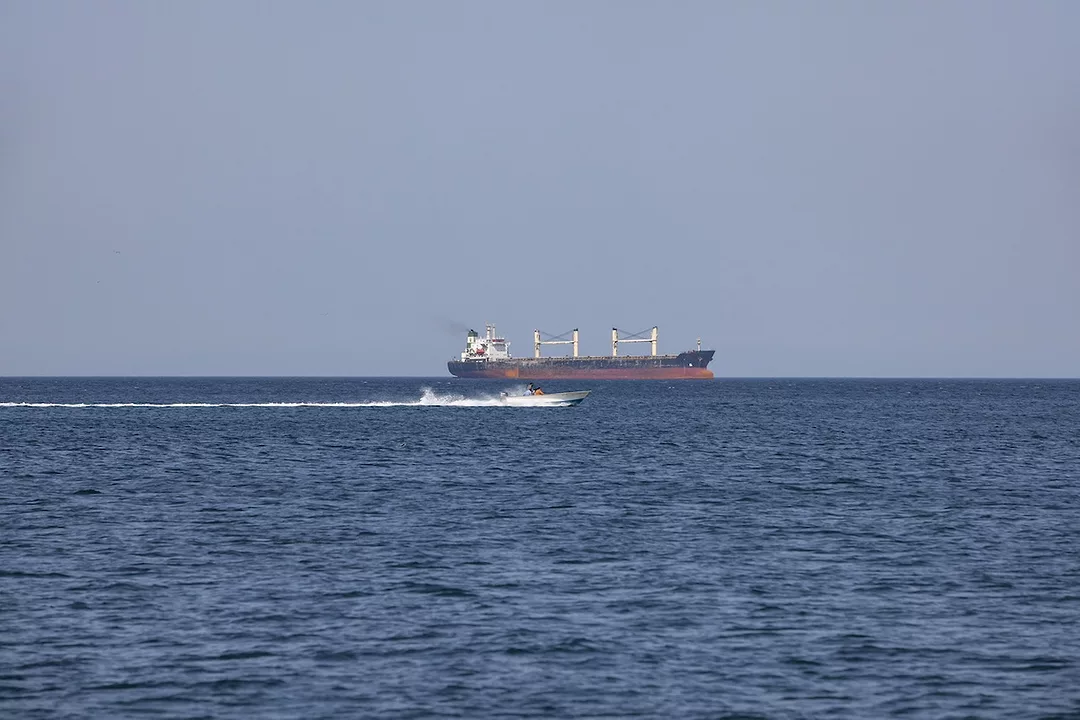
Photo: iStock / 35007
Iran and Oman are reportedly working on a protocol to monitor traffic through the Strait of Hormuz, as shipping continues to be limited through the vital corridor. The countries are two of the sovereign nations flanking the strait, with the third being the United Arab Emirates.
According to Iranian state news reporting cited by CNBC, Iran and Oman are believed to be collaborating to draft policies that would facilitate and ensure safe passage for ships moving through the strait. Iranian Deputy Foreign Minister Kazem Gharibabadi further claimed that any such requirements "do not constitute restrictions," although Iran has also been extremely selective in the ships they have allowed to transit the waterway.
Bloomberg reports that in recent weeks, the Iranian navy has also been escorting foreign tankers through the Strait of Hormuz in exchange for hefty fees, and only after extensive background checks. Sources who spoke to Bloomberg described how ship operators have had to contact an intermediary company linked to Iran's Islamic Revolutionary Guards Corps, and hand over details about their vessel's ownership, flag, cargo manifest, destination, crew list and transponder system. The intermediary then passes the information on to the IRGC's navy command to ensure the ship doesn't have ties to Israel or the U.S.
If the vessel makes it past all of that, operators enter into discussions with Iran over tolls, with the starting price said to be $1 per barrel of oil, paid in either yuan or cryptocurrency stablecoins tied to the value of hard currency. Countries that have been granted safe passage in some capacity over the last month include China, Russia, India, Pakistan, Iraq and Bangladesh.
It's unclear how Iran and Oman's proposed protocol would operate alongside Iran's current system for the strait. Additionally, several legal experts have asserted that Iran's current "tollbooth" system violates international shipping laws.
"While under international law and (the United Nations Convention on the Law of the Sea), Iran cannot legally hamper transit passage through an international strait," said international shipping law firm Hill Dickinson in a March blog post.
Popular Stories



.webp?height=100&t=1784001702&width=150 "013_what's_really_needed_for_'lights-out'_capability_v1-(540p).png")

SupplyChainBrain 2026 ESG Guide: ESG — The Supply Chain’s Biggest Secret
VIEW THE LATEST ISSUECase Studies


Visit Our Sponsors |