.webp?height=100&t=1783959879&width=150 "014_how_ai_is_transforming_the_transportation_back_office_v1-(540p).jpg")
‘Ceasefire’ Brings Little Relief for Persian Gulf Ship Traffic Jam
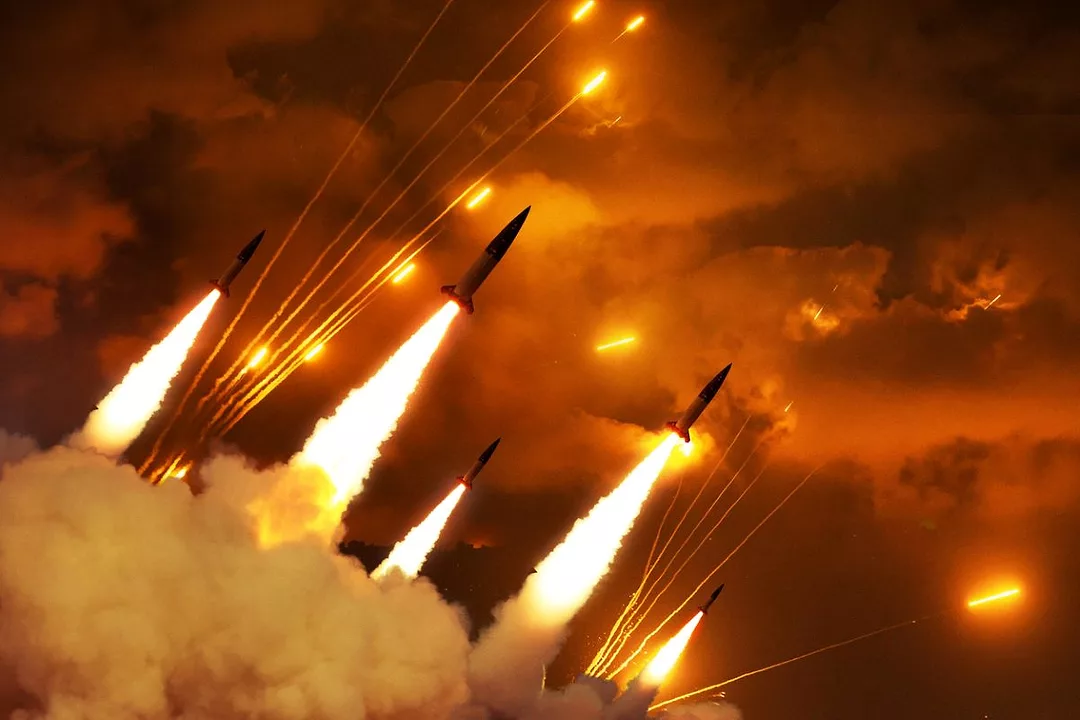
Photo: iStock/Alones Creative
The two-week conditional ceasefire agreed on April 7 between the U.S. and Iran looks unlikely to deliver its promise of a “complete, immediate and safe opening” of the Strait of Hormuz in order to relieve the almost total blockage of shipping entering and leaving the Persian Gulf, it emerged on April 8.
Despite the ceasefire, brokered by Pakistan, including a provision for the temporary reopening of the critical maritime channel, Iran has made it clear it will continue to control and constrict the flow of oceangoing cargo serving the region, reports the Guardian.
Under the terms of the ceasefire reported on Al-Jazeera, the U.S. agreed to halt its military strikes on Iran for an initial two-week period, claiming all of Washington’s military objectives had been “met,” and Iran had agreed to the “complete, immediate and safe opening” of the Strait of Hormuz.
But, according to The Economist, Iran said it would only observe a two-week ceasefire if Israel ceased its attacks on Lebanon. On April 8, Israel hit over 100 sites in Lebanon allegedly linked to Hizbullah, an Iran-backed Shia militia. A news agency affiliated with Iran’s security forces also said ships would not be allowed through the Strait of Hormuz while Lebanon was under attack. Donald Trump, meanwhile, told PBS that Lebanon was “not included in the deal.”
At the same time, Iran continued to rain missile attacks on the Gulf states, including Kuwait, Qatar, Saudi Arabia and the UAE.
Tehran said on April 8 any ship trying to transit without its permission would be “targeted and destroyed.” The war-torn nation, now effectively controlled by the Islamic Revolutionary Guard Corps (IRGC), is offering safe passage, apparently selectively, and frequently with million-dollar fees, in coordination with its armed forces.
Popular Stories



.webp?height=100&t=1784001702&width=150 "013_what's_really_needed_for_'lights-out'_capability_v1-(540p).png")

SupplyChainBrain 2026 ESG Guide: ESG — The Supply Chain’s Biggest Secret
VIEW THE LATEST ISSUECase Studies


Visit Our Sponsors |