Carney: Canada's Ports Lag as Nation Looks Beyond U.S. Trade
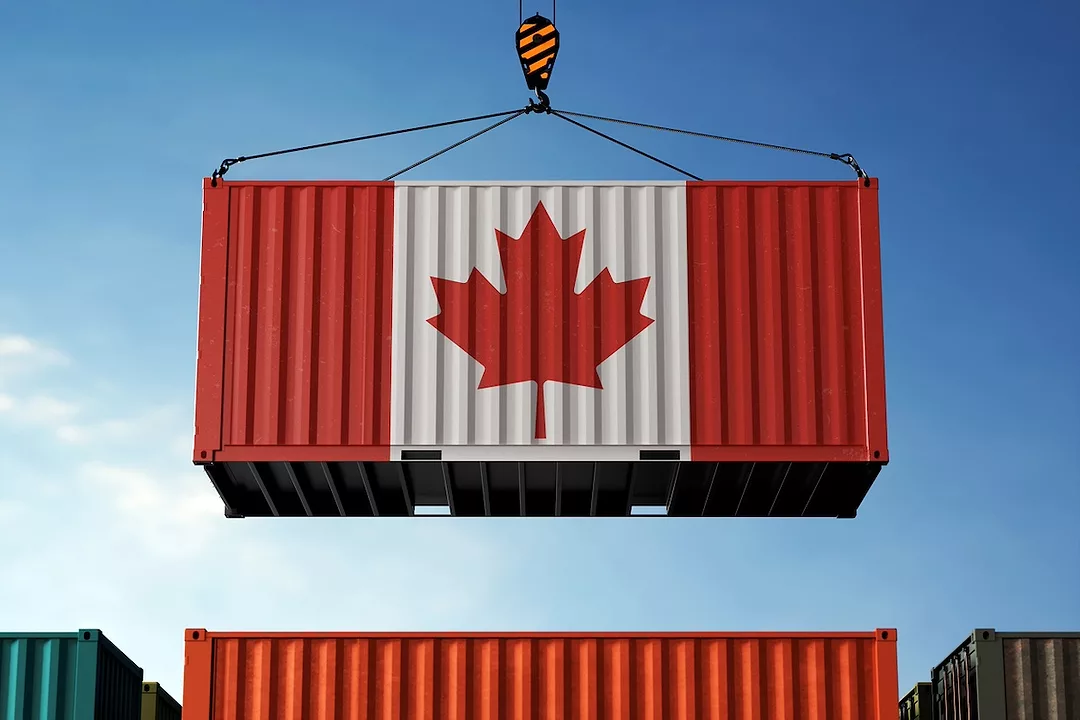
Photo: iStock / Iskandar Zulkarnaen
Prime Minister Mark Carney says that Canada's ports need to be more efficient if the country's going to more resilient in the face of its deteriorating trade relationship with the U.S.
According to The Wall Street Journal, Carney — while speaking at an event in British Columbia — said that it takes too long for goods that land at Canadian ports to reach the rest of the country, citing a lack of port capacity and adequate rail connections among other factors at play.
“We have fallen way behind in terms of the productivity of our ports and our trade corridors,” he said.
Before 2025, more than three-quarters of all Canadian exports went to the U.S., with 20% of its economic output tied to trade with the country's southern neighbor. But as President Donald Trump has taken on a more adversarial stance to relationships across the globe, Carney has stressed that Canada needs to start moving toward an economic future that relies far less on U.S. trade. In service of that, Carney has already set a goal to double the value of non-U.S. exports by 2035, which would total around $220 billion in new orders for Canadian goods and services.
However, none of that can be possible unless Canada's trade corridors and shipping hubs can support that growth, he argues. Research from Canada's central bank released in early May found that between 2016 and 2023, Canadian ports became less directly connected to global shipping networks compared to ports in other countries, increasing the potential impacts of foreign supply chain disruptions on the country's economy. Canada's ports also went from being ranked 6th in the world in total deadweight tonnage in 2016, to 23rd in 2023, all while 10 other countries in the top 20 saw their overall deadweight tonnage double in that same period.
Popular Stories




SupplyChainBrain 2026 ESG Guide: ESG — The Supply Chain’s Biggest Secret
VIEW THE LATEST ISSUECase Studies


Visit Our Sponsors |
|
|
|
|
|
|
|
|
|
|
|
|
|
|
|
|
|
|
|
|
|
|
|
|
|
|
|
|
|
|
|
|
|
|
|
|
|
|