Trump Admin Loans $17.5B to Accelerate Nuclear Reactor Projects
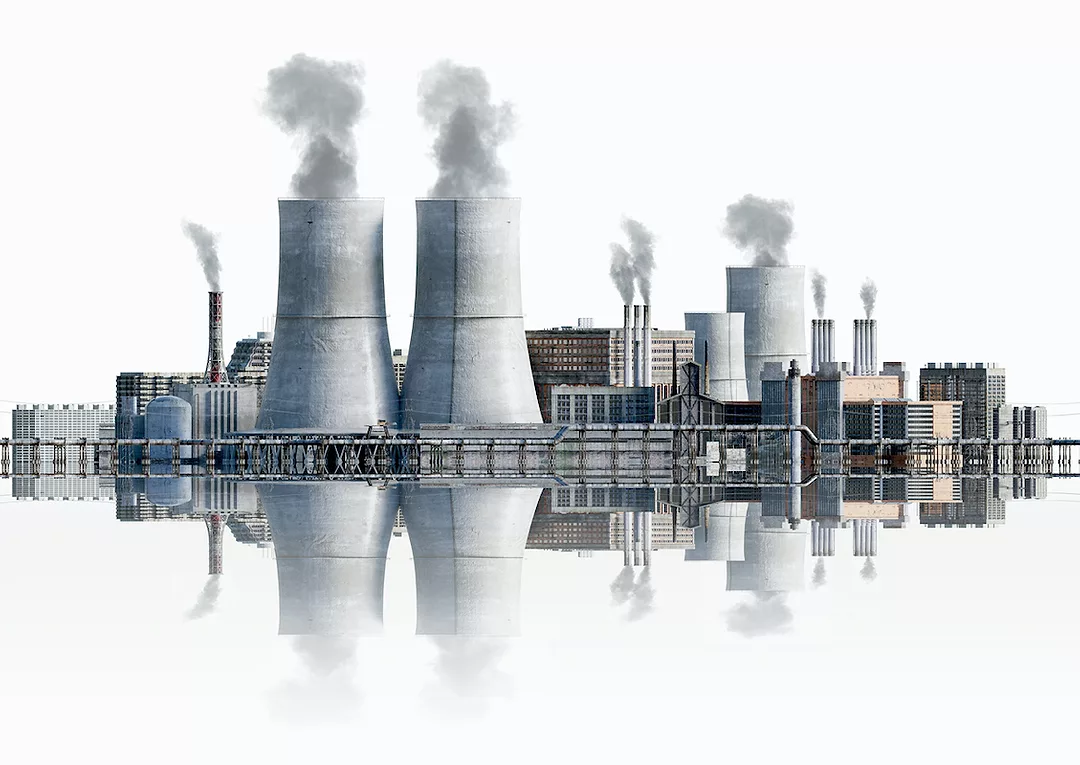
Photo: iStock.com/karelnoppe
The U.S. Department of Energy is providing $17.5 billion in loans to fund the deployment of 10 large-scale nuclear reactors across the U.S.
In a June 23 release, the DOE said that it hopes the loans will help lower construction costs, and speed up the deployment of the 10 reactors by as much as three years. The money will go toward five total projects, each of which will produce two big reactors.
"These conditional loans will play an important role in reviving the supply chain needed for America to once again build large-scale commercial reactors," said U.S. Energy Secretary Chris Wright.
Read More: DOE Invites States to Partner on Expanding U.S. Nuclear Fuel Supply Chain
The projects will use manufacturing company Westinghouse's AP1000 reactor design, each capable of generating 1.1 gigawatts of electricity, which is enough to power more than 800,000 American homes. Westinghouse will partner with utility or energy companies to build the reactors themselves, and has already signed letters of intent with seven potential collaborators.
Rather than going straight to Westinghouse, the loan will be paid out to five project-specific entities created for the reactors. In order to unlock the loan money, Westinghouse and its partners will have to contribute nearly $1 billion in equity to each entity.
Although the exact locations of the reactors has yet to be shared, the DOE told CNBC that they'll be "geographically spread across the country." According to the U.S. Energy Information Administration, the U.S. currently has 96 commercial nuclear reactors operating at 57 power plants in 28 states. The average age of those reactors is roughly 44 years old.
Popular Stories




100 Great Supply Chain Partners 2026: The Secret to Supply Chain Success
VIEW THE LATEST ISSUECase Studies


Visit Our Sponsors |
|
|
|
|
|
|
|
|
|
|
|
|
|
|
|
|
|
|
|
|
|
|
|
|
|
|
|
|
|
|
|
|
|
|
|
|
|
|
|
|
|
|
|
|
|
|
|
|
|
|
|