.webp?height=100&t=1784121195&width=150 "018_what's_holding_back_ai_initiatives-_v1-(540p).png")
Hormuz Highlights How Maritime Risk Assessment Needs to Change
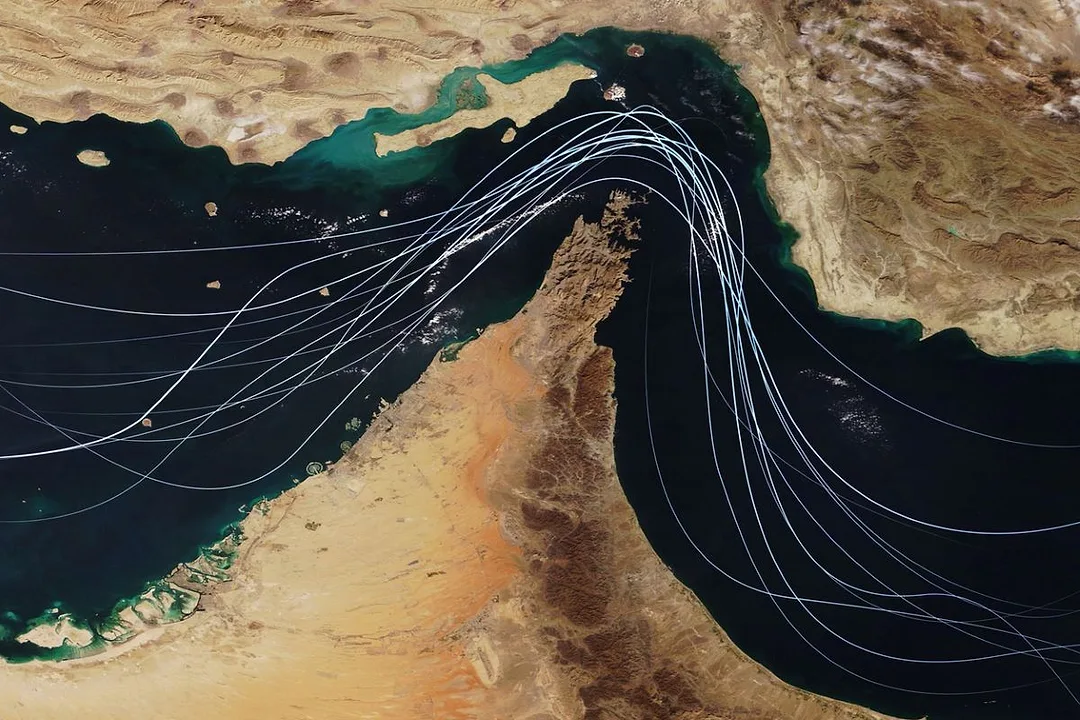
Image: iStock/Alones Creative
The question everyone has been asking about the Strait of Hormuz — open or closed — is the wrong one, says Ana Subasic, a trade risk analyst at data and analytics company Kpler. She says the nature of the risk for shipping transiting to and from the Persian Gulf has changed, and that businesses’ compliance frameworks haven't caught up.
“The 2026 Hormuz crisis has produced something more complex and more durable than a blockade. It has produced a passage environment where vessels may move but their movements cannot always be trusted, verified or defended,” Subasic said in a June 19 blog on Kpler’s website.
In this environment, insurance coverage technically exists but its commercial terms may make transit economically irrational. Further, exposure to sanctions can begin before a payment is made or a contract is signed, and the most important risk indicators are not what diplomatic channels are saying, but how vessels are actually behaving.
”This is not a brief interruption,” Subasic warned. “It is a structural shift in what Hormuz passage means — commercially, legally and operationally.” She said a gap had opened up between the data that is available on vessel movements and the frameworks organizations have built to use it.
A vessel may be able to transit the Strait. But if its movement cannot be reliably observed, because GNSS spoofing has degraded or manipulated its positioning data, then its voyage record is compromised.
“That matters because the downstream consequences do not stay at the waterway,” said Subasic. “They follow the cargo into sanctions screening. They appear in insurance claim disputes. They surface in charterparty arguments about whether a deviation was commercially justified or operationally necessary. They generate questions from banks and counterparties about what the vessel was actually doing and where.”
Risk and compliance teams best handling the new risk environment are no longer only asking whether a vessel transited Hormuz; they are asking whether that transit can be documented, explained and defended — in real time, and after the fact, Subasic said.
Popular Stories

.webp?height=100&t=1784491177&width=150 "030_ai_in_the_warehouse-_real_use_cases_v1-(540p).png")


SupplyChainBrain 2026 ESG Guide: ESG — The Supply Chain’s Biggest Secret
VIEW THE LATEST ISSUECase Studies


Visit Our Sponsors |