
Trump Officials Move Toward Renewing Jones Act Waiver
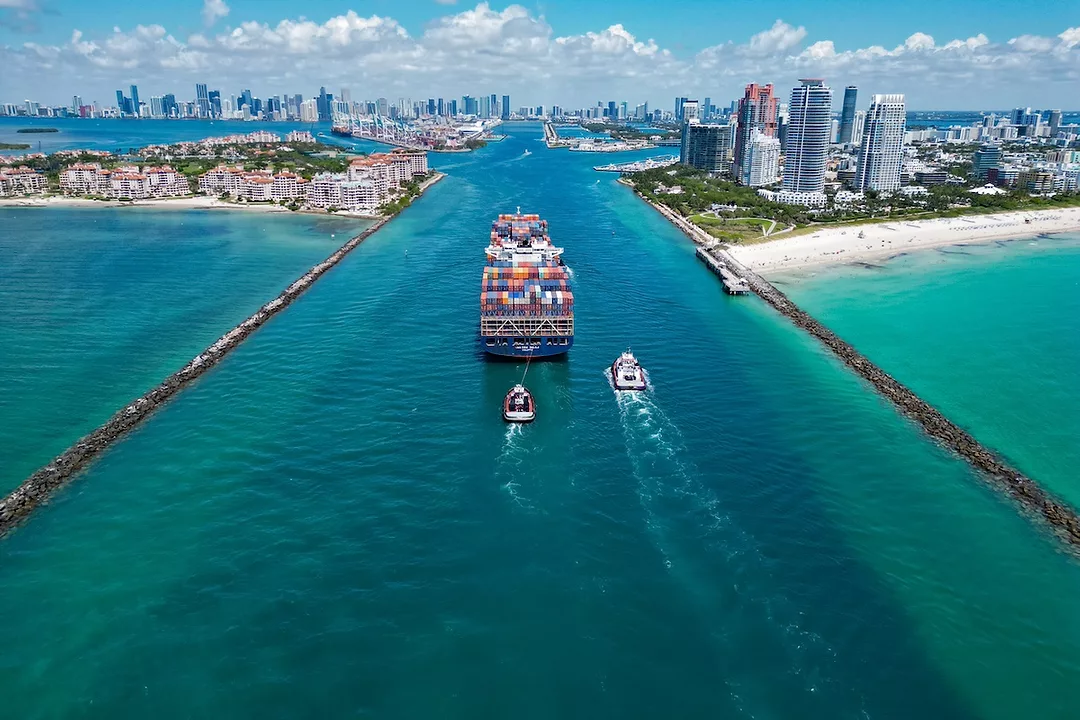
Photo: iStock / photosvit
Trump administration officials are advancing plans to extend a shipping waiver that’s made it easier to move oil, fuel and fertilizer around the U.S., as the renewed war in Iran raises the prospect of prolonged supply disruptions.
White House and administration officials huddled this week on a possible extension of the Jones Act exemption that is set to expire next month, according to people familiar with the matter. The people spoke on condition of anonymity to discuss the private deliberations. President Donald Trump has not yet decided on a renewal.
At issue are requirements under the 1920 law that goods carried by water between domestic ports must be transported on U.S.-flagged, -built and -owned ships. Under the current waiver, those restrictions have been removed for coal, crude oil, refined petroleum products, natural gas, natural gas liquids, fertilizer and other energy derivatives.
Trump first granted the relief for some 659 products in March, then extended it a month later, in the face of pressure from oil and chemical industry officials who argue it’s helped open new routes for carrying critical commodities around the U.S.
A White House official said no decision on a waiver extension had yet been made, and any further announcements would be made directly by Trump or the administration. In the meantime, the administration is regularly monitoring how the waiver is being used, the official said, crediting Trump’s decision to temporarily ease the requirements as helping prevent supply chain shortages across the country.
Supporters say the exemption has helped ensure refineries are well supplied with crude, even as ongoing fighting around the Strait of Hormuz keeps millions of barrels of oil from reaching markets daily. Waiver proponents argue that, in turn, helped keep gasoline and diesel prices from spiking higher.
Those costs are an acute concern for the White House ahead of the November midterm elections that could hinge on Americans’ views of the economy. The resumption of military strikes in Iran — and continued struggles to move cargoes through Hormuz — have added further pressure for an extension, one person familiar with the matter said.
So far, the waiver has been used by scores of ships for at least 172 coastal transits, according to U.S. government data. That’s included a surge of otherwise-rare shipments from the U.S. Gulf Coast to the West Coast, as well as deliveries of American liquefied petroleum gas to Puerto Rico.
But that activity has also revived a debate about the merits of the law and alarmed shipbuilding interests who have appealed to Trump to reverse course. They argue the broad exemption undermines Jones Act protections meant to sustain American maritime might and U.S. shipbuilding capacity.
Earlier this month, 52 congressional Republicans — including House Speaker Mike Johnson and House Majority Leader Steve Scalise — asked Trump to let the current waiver expire. Many of those lawmakers represent coastal districts that are home to key shipbuilding facilities. Lobbyists also have encouraged the administration to at least narrow the scope of the waiver, should it be renewed.
Popular Stories




100 Great Supply Chain Partners 2026: The Secret to Supply Chain Success
VIEW THE LATEST ISSUECase Studies


Visit Our Sponsors |
|
|
|
|
|
|
|
|
|
|
|
|
|
|
|
|
|
|
|
|
|
|
|
|
|
|
|
|
|
|
|
|
|
|
|
|
|
|
|
|
|
|
|
|
|
|
|
|
|
|
|