
Xeneta: Peak Season for Ocean Freight Started Two Months Early
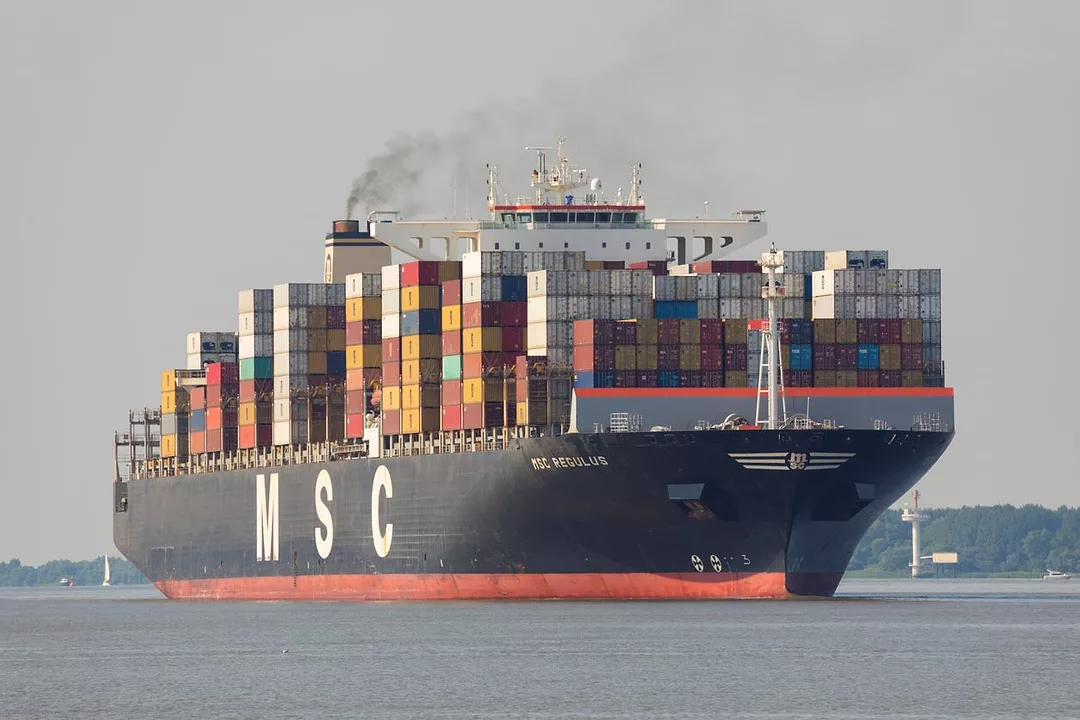
Photo: iStock/eyewave
Ocean container freight rates are softening, as a bulge in demand that was brought on by shippers “frontloading” shipments in anticipation of higher fuel costs ironically drove rates higher, earlier, seems to be easing off.
In fact, said Emily Stausbøll, senior shipping analyst at freight market data and analysis firm Xeneta, the frontloading means peak season effectively started in May this year rather than July. That means, logically, peak will also be over sooner in the absence of underlying growth in container shipping demand. The war in the Persian Gulf has sent oil prices, and especially diesel, on a wild ride, mostly higher, as shipments coming out of key oil-producing nations in the area have been slowed to a trickle by the conflict.
Read More: Simultaneous Disruptions Rattle Global Oil Markets
Stausbøll said that this early race to shift cargo, combined with increasing offered capacity, is perhaps why we are starting to see a softening in rates. Earlier this year, there were triple-digit percentage spikes caused by the Middle East conflict. But now, for the week preceding July 16, Far East to U.S. West Coast rates are down an average of 5% week-on-week and Mediterranean is down 2%, while U.S. East Coast and North Europe are both down 1%, with further decreases expected.
“Shippers who had to move goods to protect supply chains have done so,” she said in the Xeneta Weekly Ocean Container Shipping Market Update released July 16. “Those with the luxury of waiting may now hold off in the hope that rates come down further.”
Stausbøll says it is too early to call this a sustained decline, and that spot rates remain massively elevated compared to pre-crisis levels. Far East to U.S. West Coast is still up 252% since the end of February. Increasing military strikes between Iran and the US, while not translating directly into higher freight rates, could also pause the softening if the situation deteriorates further.
“But the direction of travel is becoming clear,” said Stausbøll. “Capacity is rising, demand is cooling, and the market is starting to turn.”
Popular Stories




100 Great Supply Chain Partners 2026: The Secret to Supply Chain Success
VIEW THE LATEST ISSUECase Studies


Visit Our Sponsors |
|
|
|
|
|
|
|
|
|
|
|
|
|
|
|
|
|
|
|
|
|
|
|
|
|
|
|
|
|
|
|
|
|
|
|
|
|
|
|
|
|
|
|
|
|
|
|
|
|
|
|