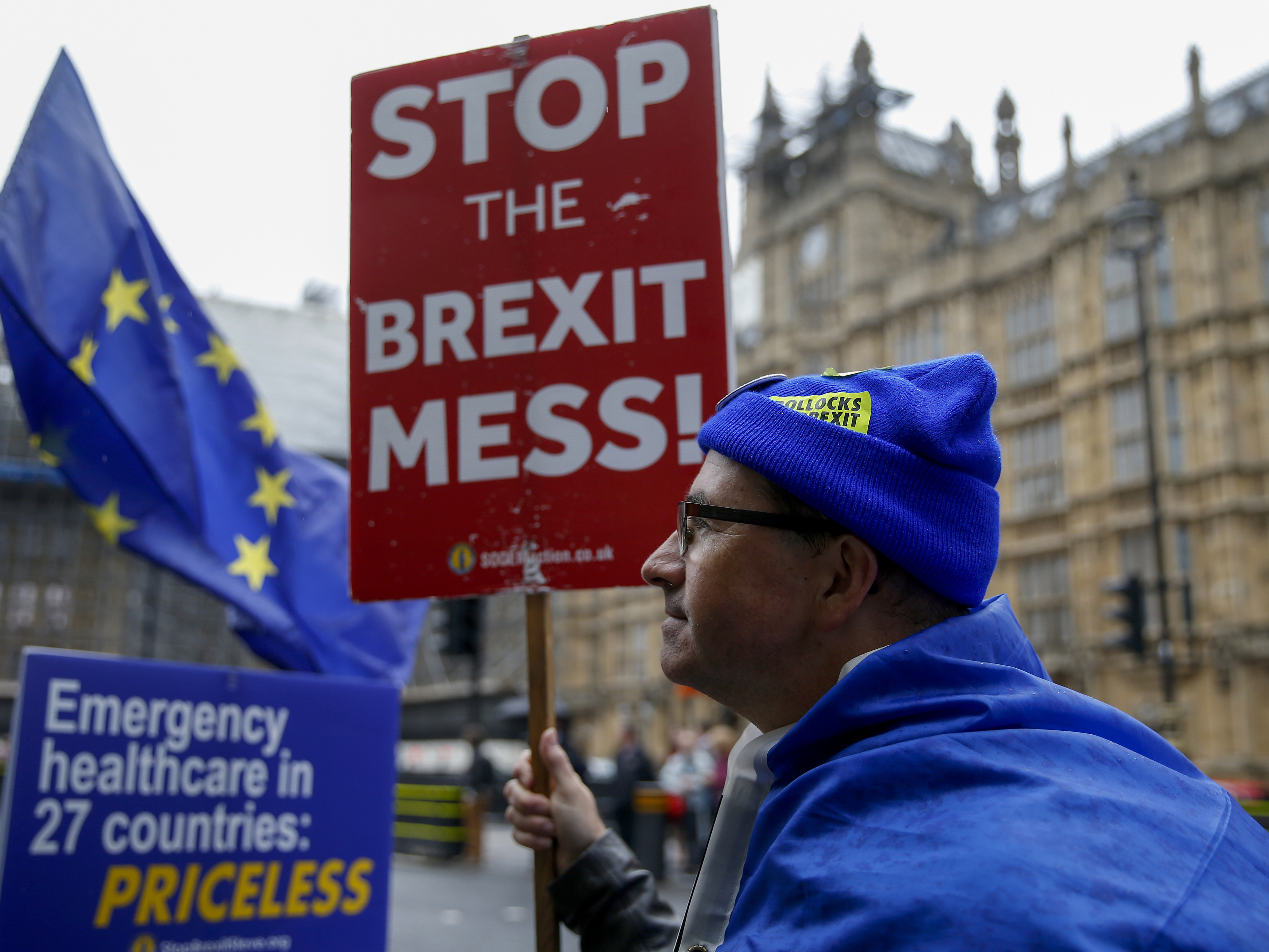
While most business leaders want to avoid a no-deal departure, continued uncertainty is not much better. With the cliff edge looming, and the prospect of another one in three months if the EU grants Parliament’s request for a further delay, collateral damage is mounting.
In a world that’s growing increasingly concerned about corporate commitments to environmental and social responsibility, top cocoa producers Ivory Coast and Ghana are planning to make a move that goes against the tide.
Chinese officials are willing to start purchasing more U.S. agricultural products as part of the “phase one” trade deal, but it is not likely to reach the $40 billion to $50 billion touted by Trump.
Companies are beginning to realize there’s more to lose from offending consumers who are aware of how cheap plastic products feed global warming, choke oceans, kill wildlife and — more slowly — threaten us. This is especially the case when it comes to packaging.
Cheeses from France, Italy and the Netherlands, wines, Scotch whisky and Greek canned peaches are just some of the European exports whose prices are set to rise in the U.S. after the Trump administration announced new tariffs on billions of dollars of EU products starting Oct. 18.