A lawsuit over California’s ability to set work and wage rules for truck drivers that go beyond federal trucking regulations is set to go to trial 11 years after the case began.
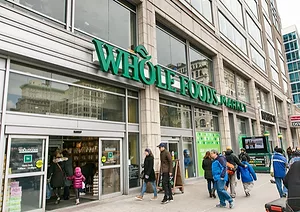
One year ago this week, Amazon.com Inc. loudly declared its intention to become a grocery industry heavyweight by announcing its agreement to buy Whole Foods Market.
On a smoggy afternoon in Jinan, China, huge log carriers and oil tankers thundered down a highway and hurtled around a curve at the bottom of a hill. Only a single, unreinforced guardrail stood between the traffic and a ravine.
The market for new heavy-duty trucks is growing at a nearly unprecedented pace this year as fleet owners and big-rig manufacturers race to keep up with accelerating U.S. freight demand.
Logistics and freight transport companies went on a hiring spree in May, adding 18,700 jobs to keep pace with accelerating demand in the U.S. shipping markets.
In trucking, hot-button topics like omnichannel distribution, e-commerce, electric vehicles and blockchain often blot the agendas of industry events and association meetings. Yet one topic that remains on the periphery unless we are talking about parts availability could wind up having a profound change to the industry – additive manufacturing.
Brazilian food companies will be reeling for months from the after-effects of a truckers' protest that has blocked the country's main roadways this past week, industry sources said on Friday.
United Parcel Service Inc. jacked up fees by 30 percent to $650 for the largest items it delivers to discourage shippers from putting kayaks, refrigerators and other oversize items into a network meant for smaller parcels.
Joyce Brenny, chief executive of Brenny Transportation in Minnesota, gave her truck drivers a 15 percent raise this year, but she still can't find enough workers for a job that now pays $80,000 a year.