 RSS
RSS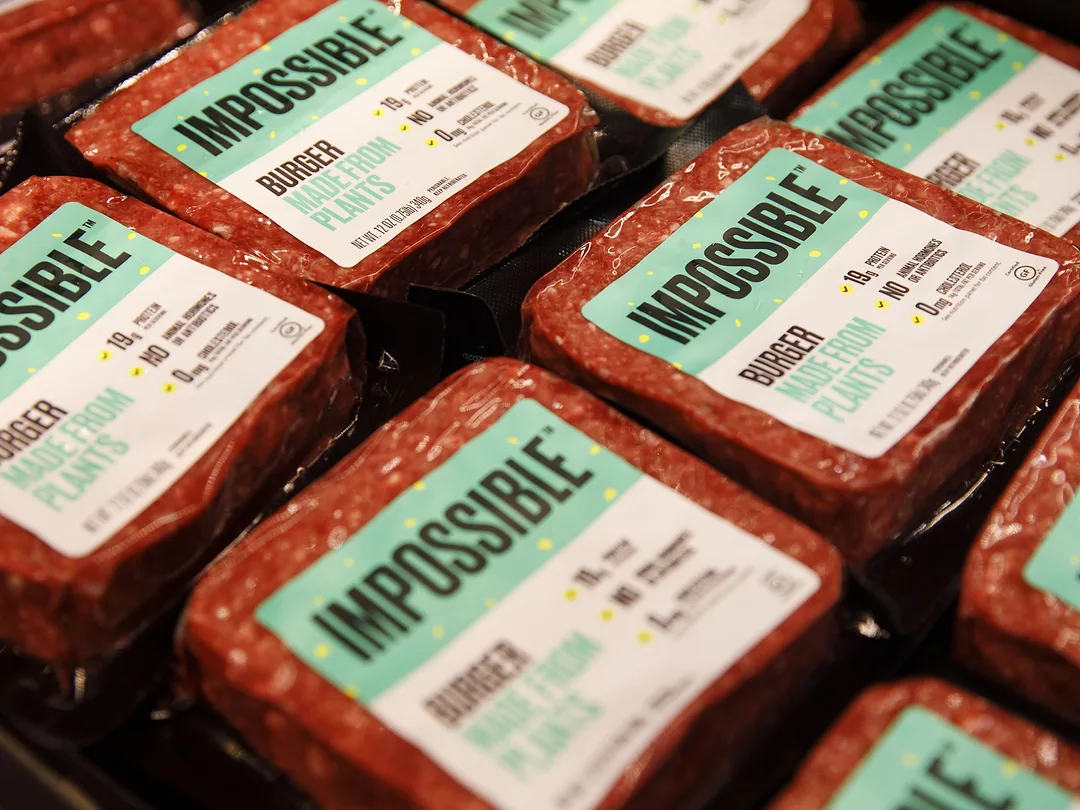
Consumer behavior has changed quickly over the year, mostly due to the impact of COVID-19. In the first few weeks of the virus's spread in the U.S., consumers quickly cut back on luxury spending and started buying non-perishable foods like dried beans and canned veggies as well as home cleaning supplies. At the same time, restaurants closed temporarily, significantly reducing food demand.
These supply-chain shocks are forcing grocery retail to respond to changing consumer needs, and fast. Here's how grocery retail companies at every level — from supply to distribution to storefront — are adjusting to meet changing market conditions.
New Consumer Preferences
Food storability and durability have become key factors in purchasing decisions. Frozen food purchases, along with purchases of dried, canned and packaged goods, are up significantly as a result.
Consumers have also become much more willing to try new brands. As supplies dwindle, you can't rely on your preferred brand being available.
This has happened before, in the wake of the global economic crisis of 2008. As consumer spending power fell, grocery retail saw a significant shift towards store brands and generic alternatives. While many customers returned to their original brand preferences as the economy recovered, many stuck with the new brands they tried.
It's possible that these new consumer habits may stick around even after the COVID-19 crisis has passed. Retailers, suppliers and distributors should prepare for the enduring popularity of storable food items and generic brands.
Severe Disruption
The coronavirus has disrupted every industry, but grocery supply chains were hit particularly hard. In the first few weeks of the crisis, restaurants shuttered and many consumers were left without money for fresh food.
At meatpacking and food processing plants, social distancing measures slowed down production lines. While food-safe floor coatings like epoxy can make these facilities easier to sanitize with aggressive cleaners, there's no way to make them completely immune to the spread of COVID.
These sudden changes left many farmers with a reduced consumer base and a compromised ability to process the food their farms produced — forcing them to destroy excess food. Farmers dumped millions of gallons of milk, crushed hundreds of thousands of eggs and left fields of fresh fruit and vegetables to rot.
While the disruptions were severe, the grocery supply chain never collapsed. Many suppliers and distribution companies were able to adapt to the moment.
Food supply-chain businesses, as a result, are turning to alternatives. For example, demand for community-supported agriculture (CSA) programs has skyrocketed as consumers, less trustful of the national supply chain, start looking for local options. Many suppliers that have lost customers in the restaurant industry are supplementing continued demand from grocery retail with local programs.
Some small and medium suppliers and logistics companies are also working to improve transparency in the grocery supply chain. This would be good for retailers, suppliers and customers, as it could enable improved communication about where produce is coming from, how long it was in transit and how it was grown.
Suppliers are also taking advantage of new relief programs, like the USDA's "Farmers to Families" program, which procures extra produce from farmers and delivers it directly to food banks and other organizations working to distribute food to those impacted by COVID.
The challenges the supply chain faces aren't likely to be permanent. Many restaurants are already reopening, and economists continue to predict a steady (if not speedy) recovery that should bring consumer purchasing power back to more normal levels.
New Sales Methods
Most consumers are still willing to venture out to grocery stores even if they're not confident enough to return to bars, parks, non-grocery retailers and other crowded public spaces. Many, however, are interested in new shopping options, especially those that limit their contact with others.
At the consumer level, eGrocery has been around for a while, but has never been nearly as popular as other eCommerce offerings. Now, these services are being used much more often by consumers. Grocery retailers, however, are struggling to manage the new demand for these services.
Food brands are also changing their approach. Most food brands don't sell direct-to-consumer. Around 98 percent of food brand sales happen offline through intermediaries like grocery stores. This is starting to change. In May, PepsiCo announced two direct-to-consumer sites selling a selection of the company's packaged products. The following month, Impossible Foods, manufacturer of plant-based meat alternatives, launched its own direct-to-consumer service.
It's not clear where this trend will go. Right now, grocery stores remain the primary avenue for food purchases. However, distributors may want to investigate how they can adapt to growing direct-to-consumer food sales.
Continued Adaptation
Changing consumer preferences and disruptions in the supply chain have forced grocery retail to adapt quickly. Suppliers have been quick to take advantage of programs that redirect food for restaurants to other organizations along with direct-to-consumer distribution. Grocers have expanded online offerings and are working to manage the increased demand for non-perishable food items and home cleaning supplies.
Distribution companies will need to be aware of new trends in grocery retail — like the increased popularity of generic brands and the growth of direct-to-customer sales — to continue adapting to fluid market conditions.
Jenna Tsui is a technology blogger at The Byte Beat.
.webp?height=100&t=1780416295&width=150 "025_the_rapid_evolution_of_warehouse_modernization_v1-(540p).png")


.webp?height=100&t=1780424221&width=150 "023_automation's_scalability_in_the_warehouse_v1 (540p).png")


