Horse Meat Scandal Teaches Us to Never Waste a Good Crisis

The original case of horse meat contamination of Tesco burgers labeled as beef involved products that analyses showed contained up to 29 percent horse meat. Just weeks later, the frozen foods brand "Findus" which is owned by various concerns in different European countries pulled its "beef" lasagna from the shelves after testing found it to contain horse meat.
Laws have probably been broken. Human lives may have been endangered; a small percentage of samples were found to contain "bute," short for phenylbutazone - an anti-inflammatory drug intended for sporting horses, but which could be harmful or fatal to humans in high enough dosages. There are implications for those who abstain from pork on the basis of religious beliefs. And then there is the betrayal of the public's trust. Reactions are ranging from "Well, horse meat itself is not really problematic, and we should consider adding it to our diets" to "This is the grossest wrongdoing perpetrated by a massive, organized, international cartel of criminals." Perhaps the latter strong reaction can be explained by the heightened public sensitivity due to the UK "mad cow" disease tumult in the 1990s.
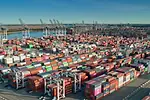
There is no shortage of opinions about who to blame. Independent butcher shops struggling to compete in the UK point a trembling finger at the evil empires of gargantuan supermarkets like Tesco for pressuring their suppliers for cost reductions to the point where it is inevitable that someone is going to cheat to maintain margins. Others lay the responsibility at the feet of an extended, international supply chain with many intermediaries and little oversight.
The complexity of how food reaches the table of a family in England is almost too convoluted to comprehend. As reported on NBCNEWS.com, Findus's French supplier Comigel is being investigated, and "French officials tracing the contamination of the Findus beef lasagna said a Luxembourg factory had been supplied by the French firm Poujol, which had bought the meat frozen from a Cypriot trader, who in turn had subcontracted the order to a Dutch trader supplied by a Romanian abattoir."
You can be sure there will be repercussions. Some participants in these extended food supply chains will be prosecuted if for no other reason than to provide a scapegoat for the public's outrage. Large public companies may suffer market share and stock price losses. And certainly shrewd politicians will use this as a platform to decry everything from government's failures to the opposing party's corruption.
Ultimately, stricter controls will be put in place for the food supply chain, as they have been for the financial services industry. Look at the effect of similar crises in the U.S. The Enron debacle led to accounting reforms with the advent of the Sarbanes-Oxley Act. SOX was the genesis of the requirements for the principals of all U.S. public companies to individually certify the accuracy of the company's financial statements and reports. The Wall Street sub-prime lending meltdown was one of the factors leading to the creation of the Consumer Financial Protection Bureau to regulate the behavior of banks and lenders, and oblige them to appropriately monitor and manage their employees' and suppliers' behavior to prevent false and deceptive sales practices. Investigations by the Securities and Exchange Commission identified widespread corruption within corporations who made illegal payments to foreign governments or entities. This led to a spike in prosecutions and fines by the Department of Justice for violations of the Foreign Corrupt Practices Act.
With businesses across the globe participating in extended, international supply chains involving legions of suppliers, often with limited oversight, how many are truly immune from a similar crisis? According to a survey by Ernst & Young, less than half of companies in the UK carry out due diligence in their supply chain, with a whopping 30 percent never doing any checks at all. There is no reason to think the situation is much different here in the U.S. As the quarterly "ExpertRECALL Index" reported, there was an average of six food recalls announced each day in the U.S. during the fourth quarter of 2012.
As participants in the global food supply chains scramble to ensure that products labeled as "beef" come from cows and not from other species, the FDA is flexing its regulatory muscles in the form of the Food Safety Modernization Act and its objectives focusing on the prevention of food-borne contaminations. The act gives the FDA new tools and authorities to make sure imported foods meet the same safety standards as foods produced in the U.S. The need to implement Foreign Supplier Verification Programs and conduct risk-assessments on foreign suppliers has many U.S. food companies rethinking their supplier management program.
In addition to legislation and process improvements, technology can contribute significantly to a holistic solution. The complexity of today's regulatory environment requires robust controls to intelligently automate risk assessments and compliance attestations from suppliers for everything from insurance coverage to product purity. In an increasingly zero-tolerance environment, a well-crafted compliance program that can be executed, documented, and audited using technology may avoid FDA prosecution, even if its program fails to avoid an FDA violation.
The heightened awareness and public pressure caused by the beef calamity can be leveraged to implement better controls, improved processes, and appropriate technologies that will ultimately result in a safer and more reliable food supply chain. Done intelligently, this can be accomplished without causing significant increases in costs. Families will still be able to afford meat for meals. Suppliers will behave ethically because they know they are being monitored. And a perfectly good crisis will have been put to good use.
Source: Hiperos
Keywords: supply chain risk management, supply chain management, value chain, international trade, Food Safety Modernization Act, Foreign Supplier Verification Programs, ExpertRECALL Index, Findus, Comigel
Popular Stories



100 Great Supply Chain Partners 2026: The Secret to Supply Chain Success
VIEW THE LATEST ISSUECase Studies


Visit Our Sponsors |
|
|
|
|
|
|
|
|
|
|
|
|
|
|
|
|
|
|
|
|
|
|
|
|
|
|
|
|
|
|
|
|
|
|
|
|
|
|
|
|
|
|
|
|
|
|
|
|
|
|
|