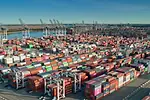
What Shrinking Capacity, Increased Regulations and Driver Shortage Mean to You!

Until the Great Recession hit, the supply of carriers outweighed the demand for shippers. This means carriers had to compete against each other for a limited amount of business. However, when the recession hit in 2008, the logistics industry was affected just like everything else. With cutbacks across the board, the supply of carriers dwindled. Then, as the economy recovered, the carrier community has failed to keep up with the economic expansion causing a national driver shortage that continues to this day. So, now with an expanding economy, shipping demand outweighs carrier capacity.
Combined with the inherent struggles of supply versus demand, government regulations on the industry as a whole increased significantly over the last eight years. For carriers, this meant upgrading equipment, installing new devices, and reducing time on the road, all of which increased their general operating overhead.
What This Means for Truckload Carriers
As truckload carriers continue to implement new technology and processes to comply with government regulations, they will have to accommodate those extra costs.
Take for example, carrier ABC, which now has a fleet of trucks that have to be updated to accommodate the latest environmental and safety standards. Adding that cost to its normal operating margin of maintaining its fleet has significantly cut into the overhead budget. The good news is that carrier ABC has more business than it can handle. The bad news, recruiting new drivers has proved a significant challenge that the carrier can’t seem to overcome, which cuts into the amount and quality of service the carrier can successfully provide. The pressure of increasing capacity while implementing new standards and technology is putting so much strain on carrier ABC, that if it doesn’t raise its rates, it will go out of business, and reduce overall available capacity even more.
Wooing available drivers to offset the driver shortage will take a hefty toll on carrier overhead because those in the job market are looking for more benefits than drivers of the past. For example, having a work-life balance is more important for many of today’s job seekers, and that cuts into time on the road and profit margins. To accommodate that need, more carriers are looking at shorter duration trips to get drivers back home more often.
Meanwhile, that perfect storm of reduced capacity, a national driver shortage and increased legislation creates a trickle-down effect into the rest of the logistics industry.
What This Means for Intermodal Carriers
While intermodal transportation has historically been less flexible with regard to speed and available destinations, it has also been less expensive than truckload. Over the last few years, rail lines have made significant strides in expanding their reach across the country. While drayage costs can still add up, it can easily be conceived that rail will become a more viable option for both short and long hauls starting this summer and in the latter part of 2015.
Why? As fuel prices continue to fluctuate, truckload carriers will find it harder to offset their increased overhead, meaning their prices will likely rise to the point where the price difference between the two modes will be negligible, even with a slower mode of transport.
This is great news for intermodal carriers as it gives them an edge in competing for shipper business. While the truckload sector struggled with the seemingly everlasting driver shortage, the intermodal sector has been steadily expanding over the last few years and looks to continue that expansion effort going forward. Meanwhile, rail carriers have dealt with fewer costly regulation changes over the past few years, meaning their rate increases are strictly seasonal due to industry capacity challenges, rather than a more permanent solution to keep their business in the black.
While, intermodal is still not as flexible as truckload carriers, their growing capacity and ability to compete on rate could easily give truckload carriers a run for their money.
What This Means for Logistics Providers and Shippers
Because of the recent below-average fuel prices, shippers have returned to placing the majority of their shipments, especially short-haul shipments, on trucks. However, shippers and logistics providers need to be aware that those prices will go up and truckload rates will increase. Rather than waiting until that happens and getting sticker shock when negotiating rates, smart shippers are looking at how to fortify their supply chain now so those increased rates won’t drastically affect their operations.
While logistics providers and shippers will have less negotiating power when discussing rates, they will still have options between intermodal and truckload. However, they will be required to adjust their supply chain budget to accommodate a general increase in rates. In addition, they will need to develop a strong contingency plan to balance the flexibility of truckload carriers with regard to short hauls and timing, versus the relative stability of rail with regard to capacity.
With that in mind, it’s a good idea for shippers and logistics providers to look into intermodal solutions and, if they haven’t already, begin discussions around looming rate hikes with truckload carriers now. By being proactive in lining up intermodal options, logistics providers and shippers can better ensure that capacity will be available when they need it. In addition, beginning negotiations with truckload carriers sooner rather than later will set up shippers to better negotiate later in the year. This will also help them budget for their supply chain for the rest of 2015 and going into 2016.
Granted, the logistics environment is the definition of fluidity. An earthquake or mudslide today could drastically affect a shipment tomorrow. By creating a more cohesive partnership between logistics providers, shippers and carriers today, the industry as a whole will be better prepared for the challenges ahead. Carriers can focus on increasing capacity, rerouting or simply adjusting for market conditions, while logistics providers can better prepare and insulate shippers from the costs associated with moving freight in an ever-evolving terrain.
Source: TTS LLC
Popular Stories





100 Great Supply Chain Partners 2026: The Secret to Supply Chain Success
VIEW THE LATEST ISSUECase Studies


Visit Our Sponsors |
|
|
|
|
|
|
|
|
|
|
|
|
|
|
|
|
|
|
|
|
|
|
|
|
|
|
|
|
|
|
|
|
|
|
|
|
|
|
|
|
|
|
|
|
|
|
|
|
|
|
|