
Extreme Weather Events Expose Vulnerability of Crops Globally
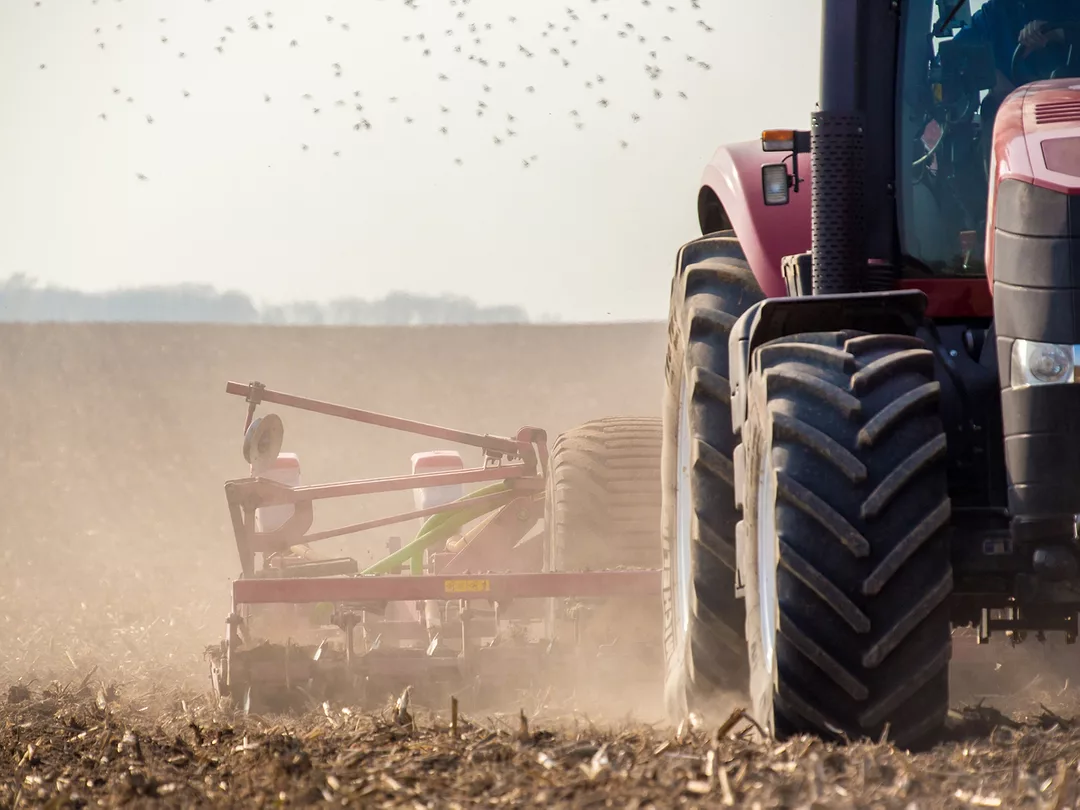
The world is on course to record its warmest winter ever, unsettling global crop production and raising the risk of food inflation.
Thailand has been hit with its worst drought in 40 years, Europe witnessed its hottest winter ever, Australia and New Zealand are reeling with poor rainfall and in some parts of the U.S., warmer temperatures have contributed to wetter weather.
For markets, extreme weather conditions, coupled with the spread of the coronavirus across the world, have led to volatile prices. The United Nations Food Price Index, which tracks monthly changes in global prices of commonly-traded food commodities, jumped to the highest in five years in January, before slipping in February as the virus hurt demand for products like edible oils and meat.
But unpredictable weather events along with declining water availability in many areas will be key factors in determining food prices in the future, said Sonal Varma, chief economist for India and Asia ex-Japan at Nomura Singapore Ltd. “Climate change will be a very important driver of food prices in the medium term,” said Varma. “This is definitely a risk worth watching globally.”
Warmer Europe
The last three months shattered winter heat records in Europe, with temperatures almost 1.4 degrees Celsius (34.52 degrees Fahrenheit) higher than the next warmest wintertime just four years ago.
Wheat crops have been lying dormant through a warmer winter, keeping plants from developing their usual hardiness against frost damage.
Incessant autumn rain added to the wonky weather, keeping British wheat plantings at the lowest in 40 years and also curbing the acreage in France. That’s left forecasters like Coceral and Strategie Grains already pegging the EU’s 2020 crop at least 5% below last season’s bumper harvest.
Wet U.S. Soils
A warmer climate has contributed to drenched fields across the U.S. Winter-wheat plantings fell to their lowest in more than a century as the grain got harder to seed. That was especially true for soft red winter wheat, with sowings in critical states like Illinois slumping 25%.
Meanwhile, freezing temperatures, rain and snow that decimated plants and harvesting last quarter could hurt beet harvests in Minnesota, North Dakota, Montana, Wyoming and Nebraska. Near the Red River Valley, conditions were the worst in almost four decades, and growers left swathes of beets and corn unharvested.
“We have a very, very fragile situation for our growers,” who are not making enough to cover expenses, said Luther Markwart, executive vice president of the American Sugarbeet Growers Association in Washington.
Drought-Hit Thailand
The severe drought in Thailand slashed sugar production in one of the world’s biggest exporters of the sweetener. Sugar output may tumble about 30% to 9 million to 10 million tons because of the dry weather.
“This is the first time I’ve seen sugar cane dying in the fields from drought,” according to Nutthapol Asadathorn, executive director at Thai Roong Ruang Sugar Group, one of the largest millers.
Freezing Canada
A deluge of wet weather and freezing temperatures pummeled parts of the Canadian Prairies last fall, halting harvest and leaving some wheat and canola crops stranded in the field. Canada is the world’s largest canola grower and one of the biggest wheat exporters.
Parts of Manitoba were the wettest in four decades and there is a risk of a wetter-than-normal spring in parts of southern Manitoba and Saskatchewan, said Joel Widenor, a meteorologist with Commodity Weather Group.
Dry Australia
In the southern hemisphere, recent rains in Australia came too late to boost prospects for summer crop planting in most of Queensland and northern New South Wales after a prolonged drought caused record low soil moisture in some areas.
Summer crop planting is expected to have dropped by two-thirds, according to government estimates, with production to fall by a similar amount, after low soil moisture constrained planting. Crop handler GrainCorp Ltd. said it expects to make “minimal grain exports” in 2020.
“Hotspot” New Zealand
Across the Tasman sea in New Zealand, nearly all North Island regions have reached official “hotspot status,” which means they are experiencing significant soil moisture deficits, according to National Institute of Water and Atmospheric Research.
Fonterra is keeping a close eye on milk production and climate extremes, Managing Director Cooperative Affairs Mike Cronin told NZME’s The Country radio show.
El-Nino in Southeast Asia
A weaker El Nino last year brought unusual dryness in key oil palm areas in Indonesia and Malaysia, which will curb production this year, according to Ling Ah Hong, director of plantation consultant Ganling Sdn.
Palm oil production in Indonesia may grow less than 4 million tons this year due to the fallout from last year’s drought and haze and lack of fertilizer usage, according to the Indonesian Palm Oil Association.
Hot China
China witnessed warmer-than-usual weather conditions in 2019, the fifth warmest year since 1951, leading to drinking water shortages, reduced water flows to rivers and crop damage, according to the National Climate Center.
Dry, hot weather in some areas of north China in May hit grain filling of winter wheat crops, while persistent high temperatures in the area also damaged some summer corn crops.
Saline Vietnam
Rice crops in Vietnam, the world’s third-biggest exporter, are also suffering. A prolonged drought, coupled with an extensive buildup of salinity, have driven five provinces in the country’s rice bowl to declare a state of emergency.
The Mekong Delta, which produces more than half of Vietnam’s rice, has so far seen a total of 33,000 hectares of rice fields damaged, Vietnam National Television reported, citing latest data from the country’s department of water resources.
The government estimates drought and salinity will affect 362,000 hectares of rice and 136,000 hectares of fruit trees in the Delta this year.
Popular Stories




100 Great Supply Chain Partners 2026: The Secret to Supply Chain Success
VIEW THE LATEST ISSUECase Studies


Visit Our Sponsors |
|
|
|
|
|
|
|
|
|
|
|
|
|
|
|
|
|
|
|
|
|
|
|
|
|
|
|
|
|
|
|
|
|
|
|
|
|
|
|
|
|
|
|
|
|
|
|
|
|
|
|