
U.S. Officials Plead for More Use of Languishing Antibody Drugs
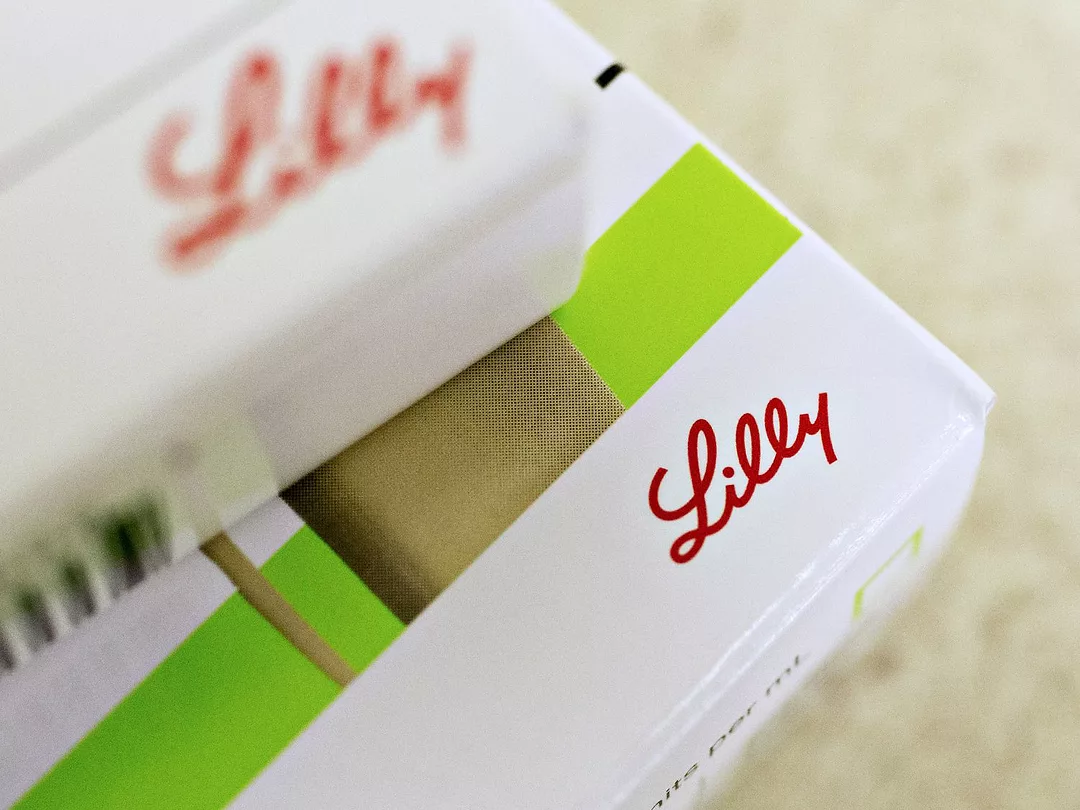
U.S. health officials are pleading for more use of COVID-19 antibody therapies from Eli Lilly and Co. and Regeneron Pharmaceuticals Inc. that have been plagued by logistical issues, lack of efficacy data and insufficient reimbursement.
The antibody treatments, touted by President Donald Trump and once feared to be subject to rationing because of demand, have instead been underused. As little as 5% of the supply available was being used in some areas in December, and utilization is now about 20% to 25% of regimens distributed to states, according to a Health and Human Services Department spokesperson.
The U.S. has more than $4.2 billion in supply agreements for millions of doses of antibody therapies for COVID-19, including a $2.6 billion deal with Regeneron clinched last week. Frustrated health officials seek wider use of the drugs that, like COVID-19 vaccines, were developed at top speed in hopes of keeping patients out of hospitals and potentially preventing the severely ill from overwhelming the nation’s health system.
“We don’t have the kind of evidence people are used to,” Janet Woodcock, a longtime Food and Drug Administration official who serves as therapeutics lead for Operation Warp Speed, said Thursday in a briefing. Still, she said, the evidence that the drugs can keep people off hospital wards “is very convincing.”
Worth the Effort
Woodcock, who’s likely to play a role in President-elect Joe Biden’s administration, urged hospitals and health centers to make the investments to administer the drugs.
“We really feel it is worth it to go to the effort, set up the infusion centers, have as many infusions to high-risk people as possible and decrease the burden to the health-care system,” she said at the briefing.
The Lilly and Regeneron antibody treatments mimic proteins that are typically produced by the body to fend off the virus. Trump received Regeneron’s antibody therapy after he was diagnosed with COVID-19 last year and heralded the drug’s benefits.
Emergency FDA clearances in November made them the first drugs authorized for use in non-hospitalized patients. They’re intended specifically for older individuals or those with chronic medical conditions, who are at high risk of progressing to severe COVID-19.
But the authorizations were based on small, early-stage trials, a point of contention for clinicians who say insufficient data makes it difficult to recommend the drugs to patients.
Just over 641,000 doses of the antibody treatment had been administered as of Jan. 6, according to U.S. government figures. U.S. patients currently hospitalized with COVID-19 numbered almost 130,000 as of Jan. 10, according to the Covid Tracking Project.
Logistical Hurdles
Getting the drugs to patients is rife with complexity. The antibody therapies must be infused early in a COVID-19 illness, when patients are infectious, so common treatment sites like hospital wards are risky. Further, the government’s distribution plan relies on hospitals.
The government’s distribution plan to date has relied heavily on hospitals. Beset by the pandemic, they are not yet getting paid for performing infusions of the government-supplied drugs because of delays in Medicare reimbursement and payment from commercial health insurers.
“It is a problem at a time when hospitals are financially strapped, as are many others in health care,” Nancy Foster, the American Hospital Association’s vice president of quality and patient safety policy, said in an interview. “It needs to be resolved quickly.”
An even tougher issue is identifying patients early after infection and getting them timely treatment, Foster said. Many patients aren’t tested at hospitals, and the institutions can’t always determine who’s eligible for antibody treatment, Foster said.
Health-care companies are providing some assistance. Pharmacy chain CVS Health Corp. has funding from the U.S. to pinpoint viable recipients and administer antibodies in patients’ homes and long-term care facilities. Insurer UnitedHealth Group Inc. is following as many as half a million patients in a real-world study in partnership with Lilly to help clarify how well the drugs work.
Bolstering Uptake
Already this year, Lilly is seeing a significant improvement in uptake of its antibody, called bamlanivimab, over last year, according to Chief Financial Officer Joshua Smiley.
Some states are “running out of drugs, and are trying to get more, while other states, they’re in that 20% or less utilization range,” Smiley said in an interview.
Regeneron declined to comment.
Patients and doctors would benefit from more information about where to find the monoclonal antibodies, he said. But the companies can’t advertise their products, which lack full approval that’s required to do outreach. Absence of a coordinated, federal response is also an obstacle, creating a void of information about how and where to get the treatment.
“I get friends of friends of friends who say, ‘My dad is sick. I know about Lilly’s drug, but how do I get it?’” he said.
Belated Website
The government has launched a website outlining which hospitals have received antibody therapies. As of late last week, about 23 states lacked any identified infusion sites. Officials say they are working on updating the platform, and that all sites will be required to have their locations listed. The National Infusion Center Association, an industry group, has also launched a treatment locator.
The U.S. has also expanded distribution of antibody therapies to other settings like nursing homes, with hopes of doing so in urgent cares as well, Woodcock said Thursday.
The AHA has urged the government to consider sites like separate infusion clinics run by public health or home health agencies, or converting ambulatory surgery centers into infusion sites. Rural areas are looking at using mobile units, which federal officials have expressed support for, according to Mark Howell, senior associate director of policy for the AHA.
Smiley said he’s optimistic that more patients will get access to its antibody therapy. The company will likely invest another $300 million to $400 million this year to ramp up supply and even develop a more easily administered version, after spending about $450 million on its COVID-19 program in 2020.
“We should be able to make a bigger impact than we are making, and certainly we’ll be able to make a bigger impact in February and January and so on,” Smiley said. “Hopefully by the second half of this year it’s not as big of an issue because we’re getting the vaccine.”
Popular Stories




SupplyChainBrain 2026 ESG Guide: ESG — The Supply Chain’s Biggest Secret
VIEW THE LATEST ISSUECase Studies


Visit Our Sponsors |
|
|
| |
|
|
|
|
|
|
|
|
|
|
|
|
|
|
|
|
|
|
|
|
|
|
|
|
|
|
|
|