
Report: Leather Supply Chains Face 'Persistent' Human Rights Issues
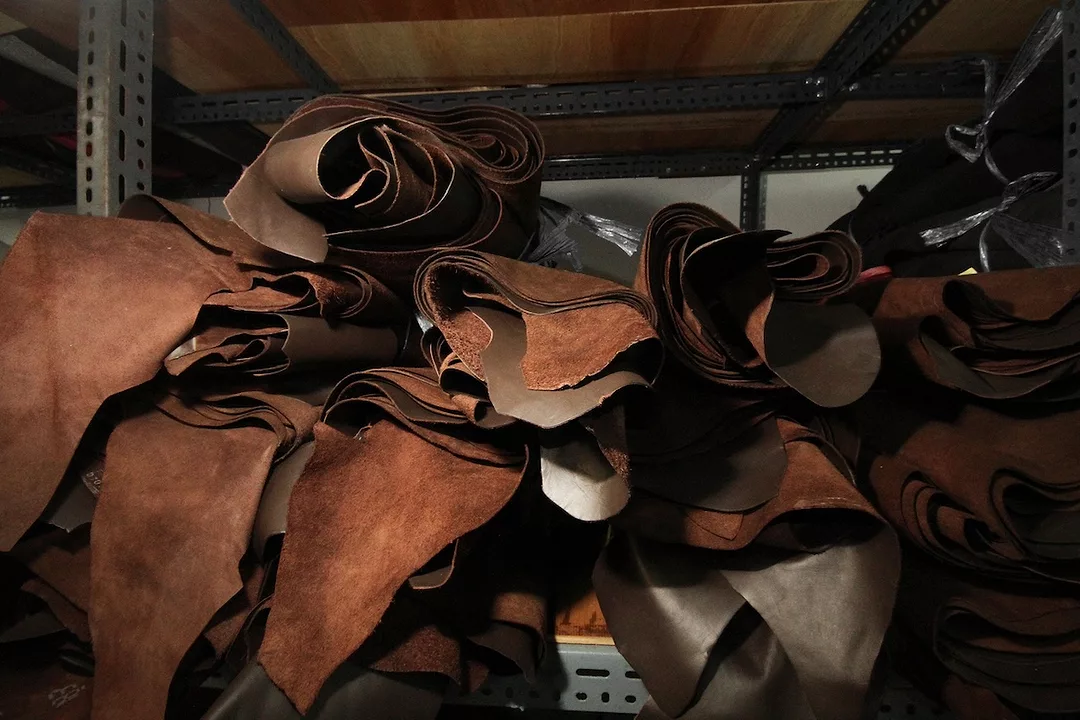
Human rights issues were found in every stage of leather production in an analysis from the Fair Labor Association, spanning farms, slaughterhouses and tanneries across the globe.
A report released by the FLA on May 15 surveyed 19 leather industry stakeholders, dug into more than 100 "unique documents," and cited a wide array of research papers, studies, articles, opinion pieces and media reports. The FLA also paid a special focus to Brazil, whose leather industry ranks third in the world in terms of total value at $3 billion, behind Italy and the United States.
In its analysis, the human rights accreditor found that slaughterhouses face "persistent problems" with worker harassment, abuse, mental health issues, gender discrimination, and health and safety concerns. At tanneries, prominent issues included exposure to dangerous chemicals, underage workers, and a lack of union representation, while farms were found to have a "prevalence of low wages" that puts workers at risk of modern slavery.
According to data from the U.S. Department of Labor, there are at least 15 countries that use forced labor or child labor to produce bovine or cattle, which is the main source of hides for leather products. In Brazil, slaughterhouses are primarily staffed by women and managed by men, creating a significant power imbalance where there are frequent reports of gender discrimination and harassment toward women in the workplace.
The FLA also identified a troubling lack of supply chain transparency for farms, slaughterhouses and tanneries, with low visibility into working conditions and product traceability, and in some cases, facilities that weren't disclosed by suppliers. A slaughterhouse will typically only have visibility into the farm it receives cattle from, even though those animals move through multiple farms before being delivered. Tanneries will also collect hides from multiple slaughterhouses and process them all together, making it nearly impossible for a brand to trace the path of the hides it gets from suppliers back to the source.
To address these issues, the FLA recommended that companies invest in traceability and human rights due diligence systems, and engage with third-party organizations to focus on mapping supply chains and addressing human rights issues at every tier. The group also suggests that companies adopt an exit strategy from "high-risk" countries where it might be difficult to influence regulatory changes.
Popular Stories





100 Great Supply Chain Partners 2026: The Secret to Supply Chain Success
VIEW THE LATEST ISSUECase Studies


Visit Our Sponsors |
|
|
|
|
|
|
|
|
|
|
|
|
|
|
|
|
|
|
|
|
|
|
|
|
|
|
|
|
|
|
|
|
|
|
|
|
|
|
|
|
|
|
|
|
|
|
|
|
|
|
|