Report: Human Rights Issues Lurk in Canada’s Seafood Aisles
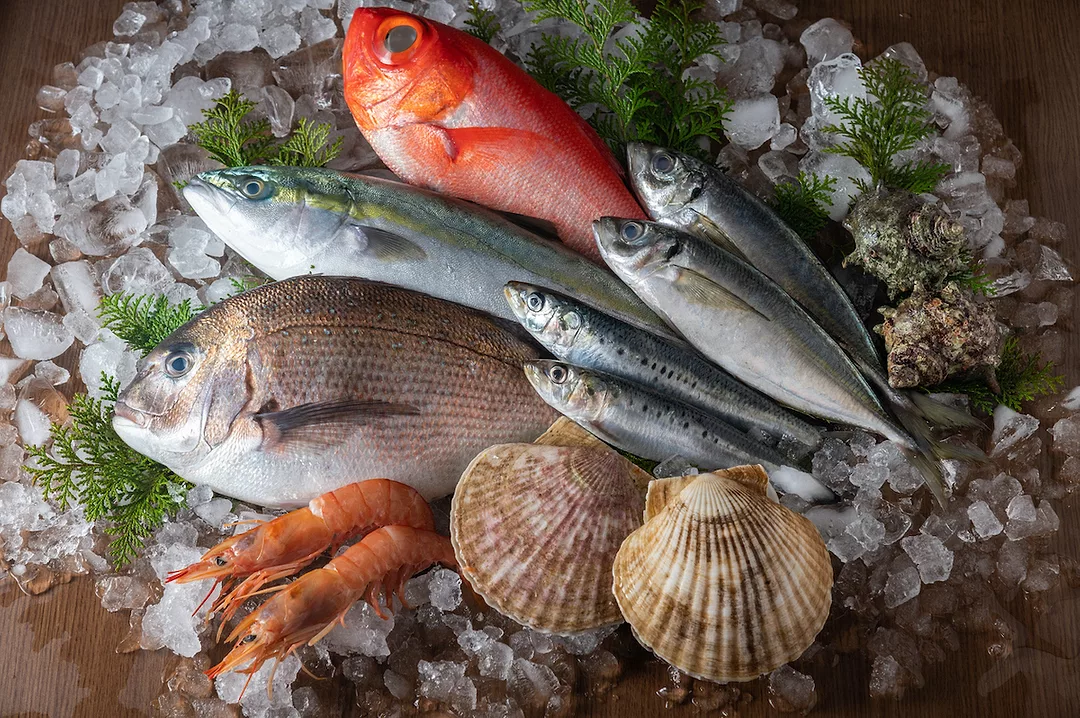
Photo: iStock.com/ahirao_photo
Major grocers in Canada are lagging behind on human rights in seafood sourcing, with just half of the country's biggest retailers having fully embedded human rights policies into their respective supply chains.
Each year, sustainability watchdog group SeaChoice's "Seafood Progress" report surveys and scores major retailers based on their actions and progress related to human rights and ethical sourcing in seafood supply chains. In the 2025 iteration of the report released on May 26, all but one of the six retailers included in the survey — including Costco, Walmart Canada and Pattison Food Group — received a failing grade.
"Though Seafood Progress has demonstrated that retailers have made progress over the years, mounting investigations suggest slave labor and environmental abuses remain prevalent in seafood supply chains," SeaChoice said, pointing to an over-reliance on voluntary human rights initiatives in lieu of due diligence processes and strict mandates. "Without taking full responsibility for the seafood they sell, retailers are not driving enough change through their supply chains."
Ranking first among the six retailers was grocery chain Metro, which engaged with the most questions asked by SeaChoice related to human rights at 80%, and received an overall "C" grade. Metro was the only company to receive a perfect score for its supply chain traceability, although it still got an "F" for its supplier monitoring, for failing to regularly audit its suppliers past the first tier.
British Columbia-based supermarket chain Pattison Food Group received the worst overall score out of all companies surveyed, with across-the-board "F" grades in all but one environmental and human rights category. According to SeaChoice, the company's sustainable seafood policy remains "very outdated," and does not cover seafood parts found in health, beauty, pet food or garden products. Pattison also does not have a full supply chain traceability policy in place, despite telling SeaChoice in each year of the survey dating back to 2018 that the policy is "in the works."
According to United Nations data, one out of every five fish is caught through illegal or unregulated fishing in conditions where worker abuses are common. The International Labor Organization also reported in 2021 that there are an estimated 128,000 workers believed to be trapped in forced labor conditions aboard remote fishing vessels.
Popular Stories



100 Great Supply Chain Partners 2026: The Secret to Supply Chain Success
VIEW THE LATEST ISSUECase Studies


Visit Our Sponsors |
|
|
|
|
|
|
|
|
|
|
|
|
|
|
|
|
|
|
|
|
|
|
|
|
|
|
|
|
|
|
|
|
|
|
|
|
|
|
|
|
|
|
|
|
|
|
|
|
|
|
|