.webp?height=100&t=1782792122&width=150 "005_veteran_winemaker_gallo_embarks_on_an_ai_journey_v2-(540p).jpg")
Survey: Consumers Are Reviewing Food Labels More Closely as Grocery Prices Rise
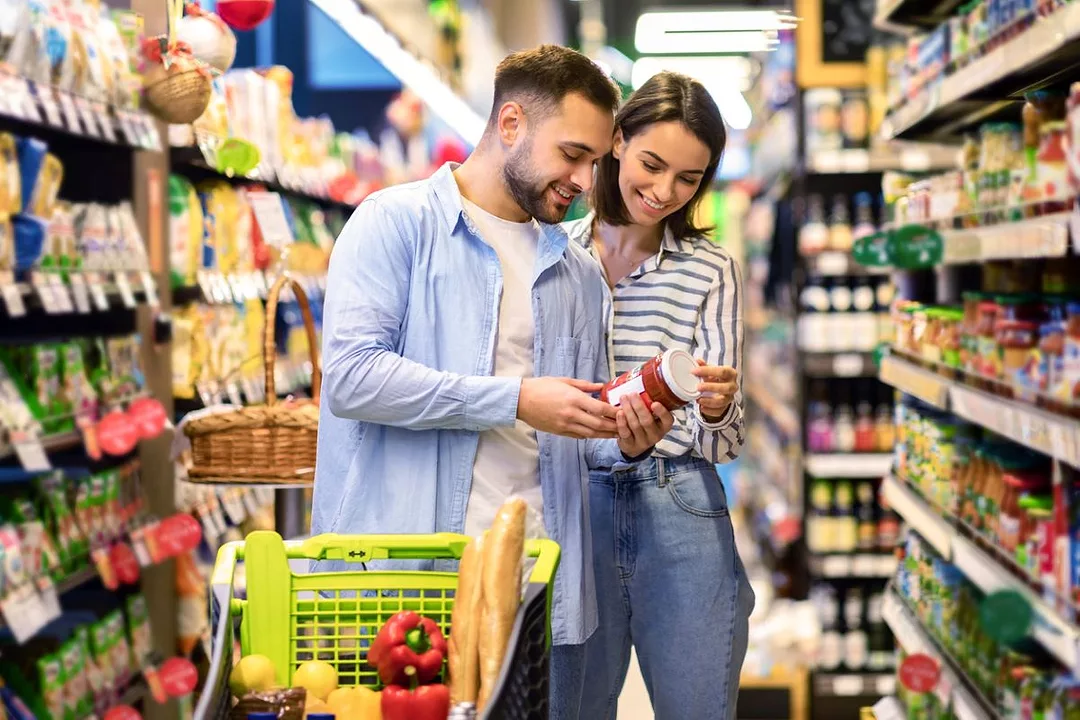
A survey of U.S. consumers, conducted for not-for-profit standards organization, GS1 US, found that 33% of U.S. adults expect to pay more for food this summer compared to last summer due to inflation, and nearly half (47%) expect to pay the same, suggesting 80% report feeling no relief from high grocery prices.
The survey, released June 23, also found that U.S. consumers are paying closer attention to food labels, and seeking smarter ways to shop. More than three-quarters (76%) want more information because of higher food costs, with 71% saying that they are reading labels more closely and often. Additionally, 66% said they would scan a QR code on food packaging to access information such as freshness, ingredients and shelf life.
"Shopping behaviors are shifting, and consumers are scrutinizing products and labels more than ever at the point of purchase to ensure they align with their preferences and budgets," said Bob Carpenter, president and CEO of GS1 US, which works to guide the industry toward using 2D barcodes. "Consumers want more transparency, and our digital world can provide real-time access to the information they seek. QR codes are emerging on product packaging to help shoppers retrieve more-trusted real-time product details via a smartphone scan —supporting smarter, more confident decisions at the shelf."
GS1 US said that brands globally are beginning their transition from the Universal Product Codes (UPCs), a 12-digit barcode used to identify products, particularly in retail settings, which have powered price lookup for more than 50 years. Now, they are adopting advanced QR codes powered by GS1 that link a physical product to digital information — while still going "beep" at checkout. These smarter barcodes can offer shoppers access to detailed information directly from the brand, including origin, ingredients, synthetic dye disclosures, nutritional content, allergens, storage tips and more. Retailers have set a target date to accept QR codes at checkout by 2027, although many will be ready sooner.
The survey was conducted in May 2025, of a nationally-representative sample of 1,007 adults throughout the United States.
Popular Stories





SupplyChainBrain 2026 ESG Guide: ESG — The Supply Chain’s Biggest Secret
VIEW THE LATEST ISSUECase Studies


Visit Our Sponsors |
|
|
|
|
|
|
|
|
|
|
|
|
|
|
|
|
|
|
|
|
|
|
|
|
|
|
|
|
|
|
|
|
|
|
|
|
|
|