
Trump Hits Mexico With 17% Tariff on Tomatoes
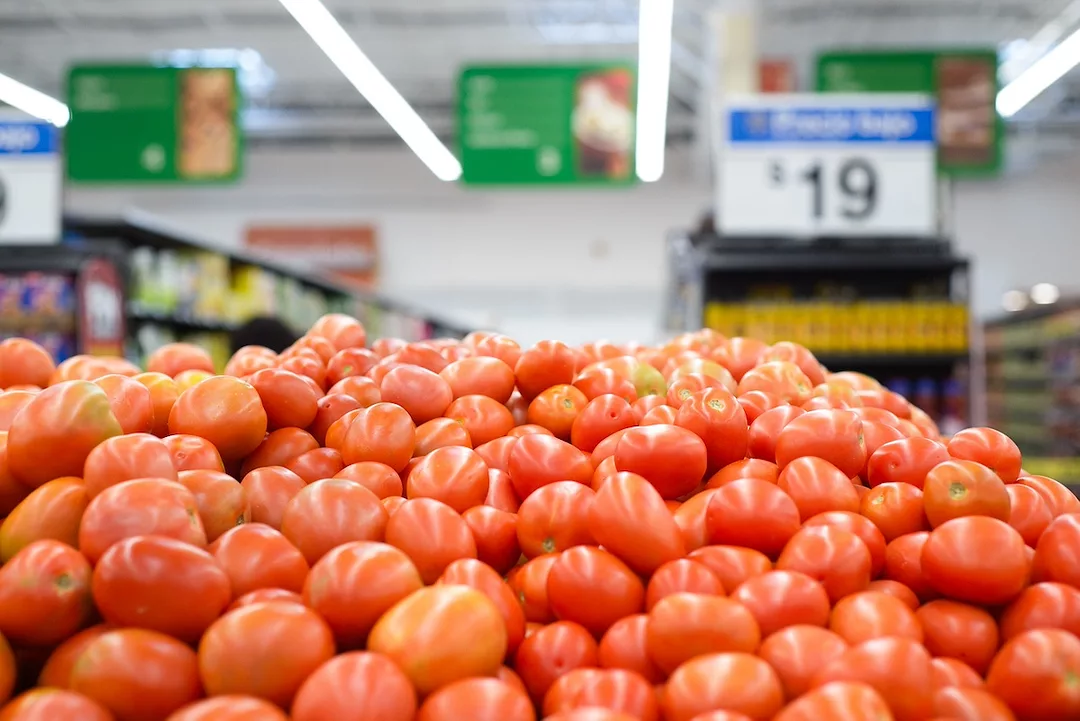
The Trump administration has imposed a 17% tariff against tomatoes imported from Mexico, effectively ending a six-year agreement that had allowed Mexico to sell tomatoes to the U.S. duty-free.
The U.S. Department of Commerce (DOC) announced the move in a July 14 release, with Commerce Secretary Howard Lutnick asserting that American farmers have been "crushed by unfair trade practices that undercut pricing on produce."
"That ends today," Lutnick said.
Mexico accounts for roughly 70% of tomatoes sold in the U.S., up from the 30% share Mexico had 20 years ago. Although the Florida Tomato Exchange trade group praised the new tariffs as an "enormous victory for American tomato farmers," Mexico's Economic Secretary Marcelo Ebrard warned that it would be "impossible to substitute Mexican tomatoes" without seeing dramatically higher prices for consumers. Speaking to the Associated Press, Arizona State business professor Tim Richards estimated that U.S. retail prices for tomatoes could rise by as much as 8.5% under the 17% tariff.
The DOC first signaled its intention to hit Mexico with tariffs on tomatoes in April, when Lutnick announced plans to withdraw from a 2019 trade deal with Mexico. But, tensions over the issue actually date all the way back to 1996, when the DOC launched an anti-dumping probe into fresh tomato imports from Mexico, over allegations that Mexican producers were flooding the U.S. market with tomatoes priced well under market value. The U.S. agreed to pause its investigation that same year after Mexico agreed to sell tomatoes at a set minimum price.
The deal was reworked to raise the price floor in both 2002 and 2008, before a new agreement that separated pricing categories for different types of tomatoes was signed in 2013. President Trump withdrew from that 2013 agreement during his first term in 2019, and agreed to a new deal months later that again raised minimum prices, and required mandatory inspections at U.S. border entries for bulk tomatoes.
Popular Stories





SupplyChainBrain 2026 ESG Guide: ESG — The Supply Chain’s Biggest Secret
VIEW THE LATEST ISSUECase Studies


Visit Our Sponsors |
|
|
| |
|
|
|
|
|
|
|
|
|
|
|
|
|
|
|
|
|
|
|
|
|
|
|
|
|
|
|
|