.webp?height=100&t=1782792122&width=150 "005_veteran_winemaker_gallo_embarks_on_an_ai_journey_v2-(540p).jpg")
Trump Demands U.S. Drug Price Cuts, Sending Pharma Shares Slumping
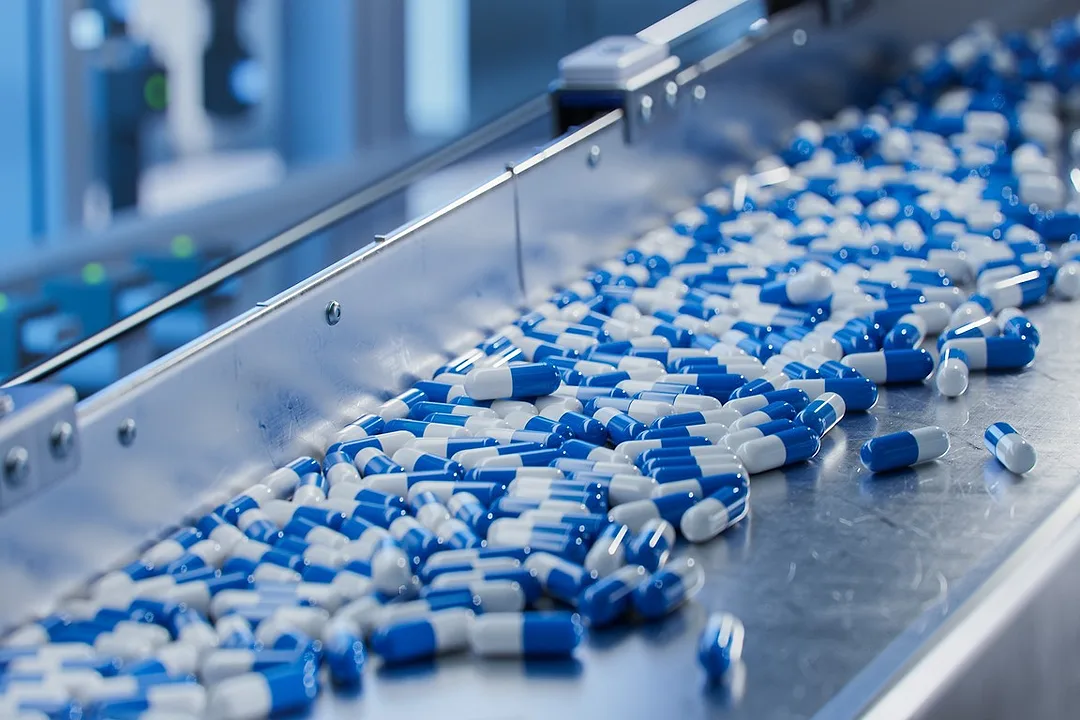
Photo: iStock / SweetBunFactory
European pharmaceutical stocks slumped, continuing a selloff that started with U.S.-listed peers after President Donald Trump escalated his campaign to pressure drugmakers to lower prices in the country.
Trump sent letters to 17 of the world’s largest drugmakers including Eli Lilly & Co., Novo Nordisk A/S and Pfizer Inc., insisting they immediately lower what they charge Medicaid for existing drugs. He also asked them to guarantee future medicines be launched and stay at prices on par with what they cost overseas.
He gave the companies 60 days to voluntarily comply, threatening to “deploy every tool in our arsenal to protect American families from continued abusive drug pricing practices” if they don’t.
Novo led European drugmakers lower on August 1, dropping as much as 6% to take the maker of the Ozempic diabetes treatment out of the region’s 10 biggest listed companies. AstraZeneca Plc fell as much as 4.2%, and GSK Plc dropped 2.1%. The Standard and Poor’s 500 Pharmaceuticals Index fell 2.7% on July 31.
The pharmaceutical industry has long protested the idea of globally linked drug prices as a threat to years of U.S. dominance in biomedical research, sapping the incentive to invent new therapies, and preventing patients from getting medicines they need. Executives have urged the administration to instead turn its attention to the middlemen in the pharmaceutical supply chain, who negotiate prices on behalf of employers.
After Trump’s latest demands, some companies issued statements touting their willingness to work with the administration on access and affordability. The industry’s largest trade group, however, took a stronger stance against the proposed changes.
“Importing foreign price controls would undermine American leadership, hurting patients and workers,” said Alex Schriver, a spokesman for PhRMA.
Losing to China
He reiterated calls to rein in pharmacy benefit middlemen and take on foreign countries shirking their responsibility, and raised the specter of losing ground to China, an area of concern to Trump.
“At a time when China is threatening to overtake the U.S. in biopharmaceutical leadership, we need to ensure America continues to be the most attractive place in the world to develop innovative medicines,” he said.
Trump has spent years decrying the difference between drug costs in the U.S. and abroad. In his first term, he signed a similar executive order as a means of negotiating with drug companies, an effort that fell apart due to legal challenges.
“Although today’s announcement carries some headline shock, we continue to view it as unlikely the Trump administration will be able to successfully implement these policies,” said BMO Capital Markets analyst Evan Seigerman in a note. In some cases Trump is “likely lacking legal standing to execute on what he outlines.”
Trump’s drugmaker demands: |
|
|
|
|
In his letter on July 31, Trump said he would use U.S. trade policy to help drug companies negotiate higher prices with other nations, but demanded the proceeds be used to lower drug costs for Americans.
Companies would also have to offer certain widely used medicines directly to patients, offering them at prices that match discounts that drugmakers now give to third-party insurers.
It’s not clear whether Trump’s latest demands would actually save U.S. consumers money, as the proposal mostly affects newly launched drugs. Additionally, drugmakers are already required to provide substantial discounts on their drugs in order to participate in the Medicaid program.
While the pharmaceutical industry has largely resisted Trump’s prodding, there are some signs of bending. AstraZeneca’s chief executive officer Pascal Soriot broke ranks with his pharmaceutical industry peers earlier this week and acknowledged the current situation was unsustainable.
AstraZeneca, Amgen Inc., GSK and Regeneron Pharmaceuticals Inc. declined to comment. A Lilly spokesperson said the company was still reviewing the letter.
Novo “remains focused on improving patient access and affordability,” according to a company spokesperson. Swiss drugmaker Novartis AG echoed those comments. Pfizer said it’s working with Congress and the White House to increase access, while Merck KGaA said it is open to collaborating with the U.S. government toward the same goal.
Trump said drugmakers must commit to providing “immediate relief” from “vastly inflated drug prices,” in one of the letters he posted on his social media account that was addressed to Lilly chief executive officer Dave Ricks.
Popular Stories

.webp?height=100&t=1782739023&width=150 "003_the_future_of_ai_in_transportation,_warehousing_and_logistics_v1-(540p).png")



SupplyChainBrain 2026 ESG Guide: ESG — The Supply Chain’s Biggest Secret
VIEW THE LATEST ISSUECase Studies


Visit Our Sponsors |
|
|
|
|
|
|
|
|
|
|
|
|
|
|
|
|
|
|
|
|
|
|
|
|
|
|
|
|
|
|
|
|
|
|
|
|
|
|