
U.S. Auto Plants Weeks Away From Chip Shutdowns, Lobby Group Says
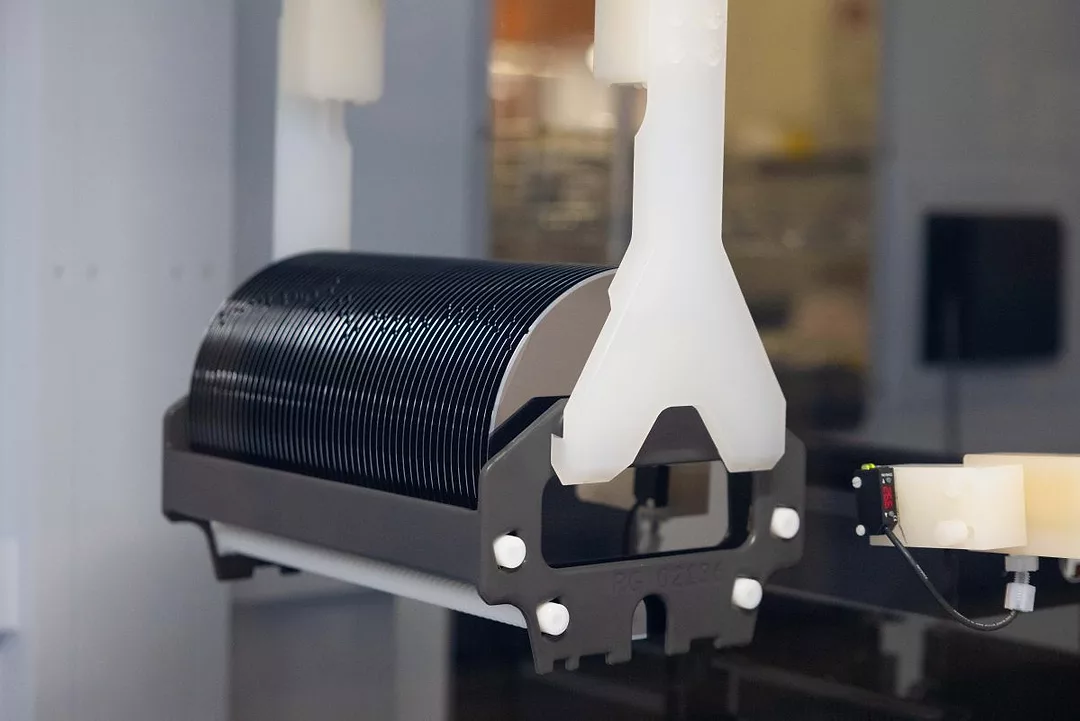
Photo: Bloomberg
U.S. auto plants are two to four weeks away from “significant impacts” on vehicle production due to the conflict with China over chipmaker Nexperia, according to MEMA, the largest vehicle supplier association in the U.S.
Beijing earlier in October blocked Nexperia, a key supplier of chips used by the automotive and consumer electronics industries, from exporting from its facilities in China. The move was in response to the Dutch government seizing control of the Chinese-owned chipmaker, and highlighted worsening trade relations between China and the West.
“A handful of these chips can literally stop production of a full assembly plant,” said Steve Horaney, a senior vice president at MEMA, the Motor & Equipment Manufacturers Association. “There are substitutes, but probably not for everybody.”
Europe’s auto industry is already working around the clock to prevent the conflict from triggering production outages. On October 23, Nexperia notified its Japanese automotive customers that it may no longer be able to guarantee deliveries. China has been tightening constraints on crucial manufacturing components, and the Trump administration has responded in kind, ahead of a highly anticipated summit between the countries’ leaders.
The chips Nexperia supplies to the auto industry use older technology that powers more basic functions like turning on a windshield wiper or opening a window, Horaney said. They’re different from the newer, faster, more powerful wafers that handle sophisticated functions like assisted driving. Because they’re older tech, not as many companies make them, he said.
“There’s just not that much extra capacity sitting around,” he said. “You don’t swap a semiconductor chip out like you do a nut or a bolt in an assembly.”
Ford chief executive officer Jim Farley called the Nexperia conflict a “political” matter and said he raised it with government officials on a trip to Washington.
“It’s an industrywide issue,” Farley told analysts October 23, during the automaker’s third-quarter earnings call. “A quick breakthrough is really necessary to avoid fourth-quarter production losses for the entire industry.”
General Motors Co. CEO Mary Barra told investors the chip constraints “have the potential to impact production.”
“We have teams working around the clock with our supply chain partners to minimize possible disruptions,” Barra said on an earnings call this week. “The situation is very fluid.”
Stellantis NV is “collaborating with Nexperia and other suppliers to assess potential impacts and develop mitigation measures,” the company said in an email.
Popular Stories





100 Great Supply Chain Partners 2026: The Secret to Supply Chain Success
VIEW THE LATEST ISSUECase Studies


Visit Our Sponsors |
|
|
|
|
|
|
|
|
|
|
|
|
|
|
|
|
|
|
|
|
|
|
|
|
|
|
|
|
|
|
|
|
|
|
|
|
|
|
|
|
|
|
|
|
|
|
|
|
|
|
|