.webp?height=100&t=1784121195&width=150 "018_what's_holding_back_ai_initiatives-_v1-(540p).png")
SCB FEATURE
Behind the U.S. Cannabis Industry's Oversupply Battle
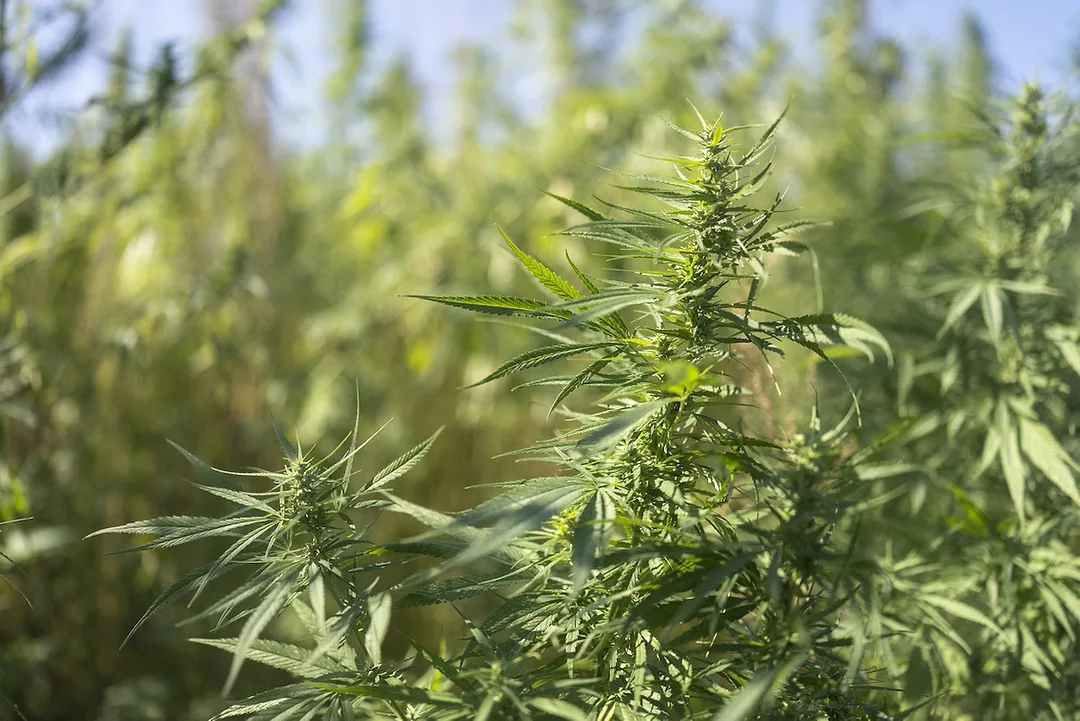
The legal cannabis market in the United States has been around for more than a decade, starting with successful ballot initiatives in Colorado and Washington in 2012, before spreading to more than 20 other states in the ensuing years. But as the market has matured, a difficult reality has set in for the industry: The supply of cannabis has far outstripped demand, and there appears to be no solution in sight.
"Oversupply is the biggest issue cannabis companies have, and it extends throughout the supply chain," says Ben Burstein, the corporate development manager for cannabis B2B technology platform LeafLink.
The reason behind this trend boils down to simple supply and demand economics, where more cannabis is being produced than retailers have the ability to sell. That starts at the grower level, Burstein explains. For growers, marginal costs, or the cost of scaling up production, are extremely low, and most of their biggest expenses are up-front and fixed, coming primarily from buying land, setting up irrigation systems and hiring staff. Once a farm or facility is up and running, it costs very little for a grower to produce as many plants as an operation can handle, and as years go by, their ability to maximize their yields only improves.
For the retailers, it takes years to acquire permits and licenses to open brick-and-mortar cannabis shops. In the first few years of legalization, demand will be strong, and retailers will buy mass quantities of inventory to save on wholesale costs and keep shelves stocked for the flood of new customers. To wit, Burstein estimates that most cannabis retailers keep anywhere between 100 and 120 days of inventory in stock on average, compared to the 15-30 days of inventory convenience and grocery stores typically have.
As time goes on though, the upside for those businesses is capped substantially. States will often place limits on operator licenses, meaning that there's a set number of cannabis retailers that can be in business at any time. Once that limit is reached, demand hits an inevitable ceiling. Then with no new stores opening and nowhere for excess product to go, growers have nowhere to sell their ever-expanding yields, and retailers have to slash prices to clear out stale, unsold inventory that's been sitting unsold on shelves for months.
"That story has played time and time again across every single operator in a market," says Burstein. "You have this constraining demand function, where there's only a certain number of stores in a state, so you start to get a saturation in your retail market as your supply function continues growing dramatically."
In recent years, that oversupply has led to a crash in cannabis retail prices across the country's most mature markets. In Michigan, average retail cannabis flower prices plummeted from $419 an ounce in 2020 to $63 an ounce in September 2025, while marijuana prices in Oregon have fallen to their lowest levels ever, from roughly $100 an ounce in 2020 to $45 an ounce in 2025.
Compounding this is the fact that it's extremely difficult to be profitable in the cannabis industry in general. Burstein estimates that more than 80% of brands have never made a single dollar, and when oversupply sets in for a mature market, retailers are forced out of business, closing off even more sales channels for growers and brands that are already hanging on by a thread.
The hard truth the industry now faces is that there are few easy fixes for its oversupply woes.
"There's no way to fight back against the idea that yields improve over time," Burstein says. "People get better at growing, and they're going to grow as much as they possibly can."
However, he adds, there is one possible silver bullet: Were the federal government to legalize marijuana at the national level, the industry's accessibility problems would disappear virtually overnight. Burstein estimates that there are just 11,000 dispensaries operating in the U.S. today, a far cry from the millions of locations that sell alcohol. Legalization could boost retail cannabis accessibility by 200-300 times, he posits, helped by the fact that growing operations in California alone already have the capacity to supply the entire U.S. if called upon to do so.
But until that happens, we're likely to see this cycle of oversupply continue for each state that legalizes recreational marijuana in the years to come, Burstein predicts.
Popular Stories





SupplyChainBrain 2026 ESG Guide: ESG — The Supply Chain’s Biggest Secret
VIEW THE LATEST ISSUECase Studies


Visit Our Sponsors |