
INVENTORY PLANNING & OPTIMIZATION
Optimizing Inventory in Times of Disruption
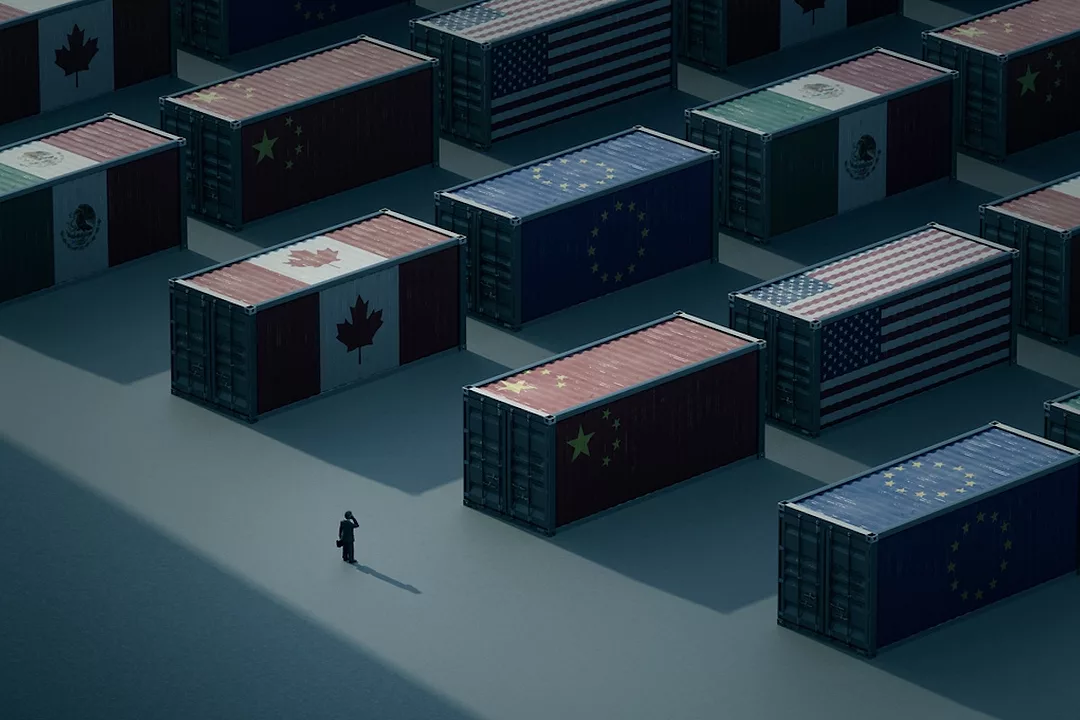
Photo: iStock / Angelica Zander
 Analyst Insight: The world has been a volatile place in recent years, and that’s not about to change. Nowhere is that clearer than in retail. During the pandemic, retailers struggled to stock empty shelves. Then, they had to work through overflowing warehouses. In 2025, forced to frontload orders because of tariffs, they were challenged to project what holiday season demand would look like many months in advance.
In a world where disruption is the new normal and tariffs, regulations and consumer preferences can shift on a dime, the question isn’t just “do we have enough inventory?” but “do we have the right inventory, in the right places, at the right time?” That’s why advanced supply chain capabilities like managing inventory at the individual item level and artificial intelligence are gaining so much ground in retail logistics.
Given all the current and near-future challenges, supply chain leaders face a daunting to-do list:
-
Continuously reassess inventory, balancing just-in-time and just-in-case approaches;
-
Diversify global sourcing networks to mitigate regulatory and tariff risks;
-
Stay on top of capacity and rate fluctuations;
-
Monitor consumer sentiment and adjust forecasts accordingly, and
-
Build the ability to move inventory at a moment’s notice when the market dictates it.
Real-time insights and adaptability are essential for success. When the business environment is unpredictable, it pays off to know that the 10,000 Bluetooth speakers consumers want in California are sitting in warehouses in Houston and Atlanta.
The problem is that today, many retailers have little visibility into their inbound supply chains. Item-level visibility and artificial intelligence fix these issues in a few ways. First, through purchase order management, which centralizes purchase orders across suppliers, manufacturers, and distributors, and allows you to know exactly what was ordered, what has shipped and what has arrived across the full supply chain.
With item-level visibility, you can track individual items with precision. That gives you a granular picture of inventory location, status, and cost components such as freight, warehousing, and additional services.
With inventory optimization, you can drive better planning, and align inventory levels with demand. Your Bluetooth speakers now end up exactly where prospective buyers are looking for them, and they get there quickly.
All of that is tightly interwoven with AI tools. Much of the administrative grunt work can now be done by autonomous AI agents in minutes, instead of hours or days. For instance, AI instantly finds carriers in Houston and Atlanta with availability to get your boxes of speakers to California.
These capabilities have become indispensable for any sector. In the automotive sector, with its complicated supply chains, digitized purchase order management allows the exchange of data between fragmented IT systems, so that parts can be tracked precisely, and supply chains reconfigured when needed.
In healthcare, the growth of GLP-1 weight loss drugs and other specialty medications is driving the need for cold storage, and item-level visibility can help ensure secure chains of custody, quality control and fraud and theft prevention.
Resource Link: https://www.chrobinson.com
Outlook: In a world of constant disruption, the ability to anticipate and adapt on the fly is the difference between winning and losing. Advanced AI tools and item-level visibility give you that ability, let you find the hidden advantages in a fast-changing marketplace, and maximize them before others have the chance to react. That’s gold in any kind of economy.
Popular Stories
.webp?height=100&t=1780416295&width=150 "025_the_rapid_evolution_of_warehouse_modernization_v1-(540p).png")


.webp?height=100&t=1780424221&width=150 "023_automation's_scalability_in_the_warehouse_v1 (540p).png")

SupplyChainBrain 2026 ESG Guide: ESG — The Supply Chain’s Biggest Secret
VIEW THE LATEST ISSUECase Studies


Visit Our Sponsors |
|
|
| |
|
|
|
|
|
|
|
|
|
|
|
|
|
|
|
|
|
|
|
|
|
|
|
|
|
|
|
|