
LTL/TRUCKLOAD SERVICES
AI Is Not So Quietly Revolutionizing LTL Freight
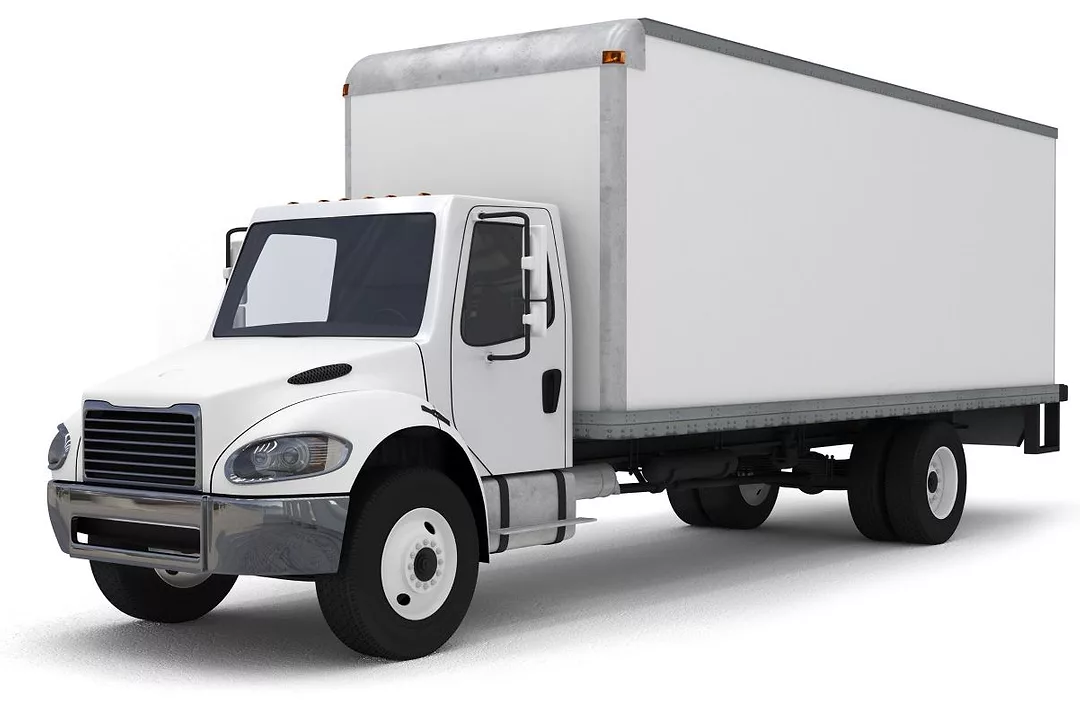
 Analyst Insight: Across less-than-truckload operations, artificial intelligence-powered management technology is setting the stage for the future. Today, through artificial intelligence-powered automation, data extraction is already reducing clerical hours and improving operational accuracy and efficiency, which improve visibility for both carriers and their customers. AI has moved from enigma to mission critical, as trucking companies focus on automation and finding tangible and successful ways to improve through technology.
For many LTL companies, the seemingly simple task of transcribing data from a paper form into a transportation management system can make or break an operational day. Until recently, this data entry process was just a cost of doing business.
But with the advent of AI, reliance on humans to enter non-structured data into the system of record is no longer necessary. AI has proven itself capable of reading documents just like humans can, and application programming interfaces allow the AI to inject that data into the system as fast as the documents are received.
No other essential document for managing LTL freight better illustrates the expense of a key stroke data entry bottleneck than the bill of lading. The humble bill of lading, the legal backbone of every shipment, has long required manual, time-consuming and error-prone processes. It’s often faxed, handwritten, scanned or emailed in formats that machines and sometimes humans can’t read.
But this is just the tip of the iceberg. Done wrong and shipments get routed incorrectly or billed to the wrong party. Done slowly and linehaul and dock planning can’t be done in advance, resulting in operations that are reactive rather than optimized. Even in the best of cases, when done right and on time, transcribing a BOL into a transportation management system is expensive and time consuming, which is not the hallmark of an efficient and productive operation from the perspective of shippers.
For some trucking, transportation and logistics businesses, AI is an enigma. That’s not so much because it’s a puzzling concept, but more so because it remains hard to understand how it benefits their operations. Rapidly, however, it’s becoming increasingly clear how AI-driven technology can support their needs and offer valuable capabilities.
Today, AI is being deployed throughout the supply chain to achieve remarkable results. Advanced AI-powered tools are making a real difference in how trucking companies operate. Complex decisions are now made by software systems that are available 24/7, which is a good thing for an industry which literally does work around the clock.
AI will allow the introduction of autonomous vehicles, including forklifts, yard trucks, and within the decade, road tractors. Once the assets in a fleet can truly be deployed 24/7, a load will be able to move at “team speed” without a single driver. And even today, cross dock operations can be augmented with robots operating side by side with human operators.
Resource Link: https://carrierlogistics.com
Outlook: AI-driven processes are the future of trucking and supply chain efficiency. This is the science fiction of our youth becoming the reality of today, and it is impossible to understate the impact. AI will be as transformative to our industry as the diesel engine. Those who are late to deploy this technology will find it harder to compete in a world where technology plays an increasingly pivotal role in all aspects of logistics.
Popular Stories





SupplyChainBrain 2026 ESG Guide: ESG — The Supply Chain’s Biggest Secret
VIEW THE LATEST ISSUECase Studies


Visit Our Sponsors |
|
|
| |
|
|
|
|
|
|
|
|
|
|
|
|
|
|
|
|
|
|
|
|
|
|
|
|
|
|
|
|