
DATA MANAGEMENT
The End of Linear PLM, and How 2025 Broke the Model
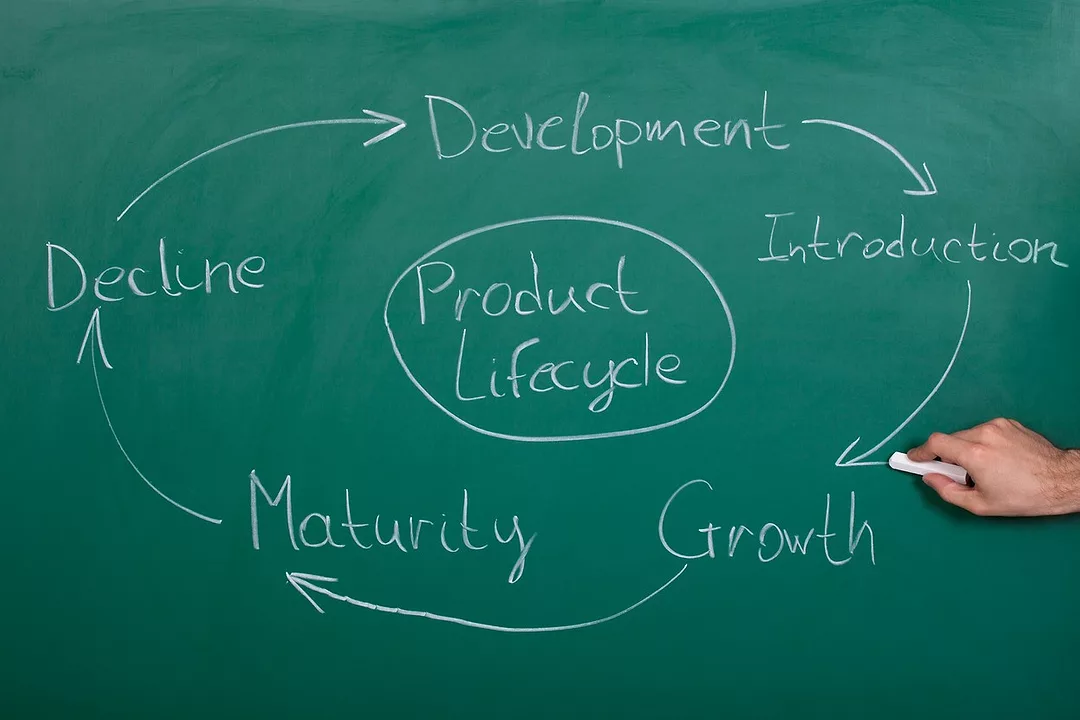
Photo: iStock/AndreyPopov
 Analyst Insight: As 2025 comes to an end, one reality has become clear: The traditional linear product lifecycle management model has reached its limits. For years, PLM served retailers well by centralizing product data and standardizing workflows in a world where seasons were predictable, development cycles were long, and supply chains were relatively stable. That world no longer exists.
This year, product cycles accelerated dramatically, moving from months to weeks. Planning, design and sourcing increasingly occurred in parallel instead of sequentially. Global volatility intensified, with tariffs shifting overnight, material prices fluctuating rapidly, and compliance requirements multiplying across regions. Consumer expectations grew as well, with more demand for transparency, personalization and immediate responsiveness.
These forces converged to expose the limitations of linear PLM systems built for static data and sequential workflows. The model did not fail; it simply reached the boundaries of the environment it was designed for.
In 2025, a new generation of platforms quietly emerged. These systems do more than record the product journey; they orchestrate it. They connect planning, design, sourcing, production, logistics, and compliance into a single, adaptive environment that learns and adjusts dynamically.
One of the most visible shifts this year occurred in creative and merchandising teams. Historically, collaboration lived outside PLM, across emails, spreadsheets, shared drives, and disconnected design tools. In 2025, real-time visual workspaces entered the mainstream.
Designers, buyers and developers began co-creating in shared digital environments where every sketch, material change, or spec update was instantly linked to cost, availability, and supplier constraints. A color adjustment could reveal its margin impact instantly, and a shift in assortment direction could be communicated without losing design intent. This improvement reduced iteration cycles, improved cross-functional alignment, and accelerated product creation.
While collaboration capabilities advanced in 2025, the most transformative shift is coming in 2026, when artificial intelligence will become the core of PLM. Modern platforms are embedding intelligence that spans the entire lifecycle, not as a standalone module, but as a layer that connects all functions.
In 2026, AI will strengthen PLM in three major ways. First, we’ll see automation at scale, where tasks like tariff updates, tech-pack creation, and compliance checks will become hands-off, allowing teams to focus on strategy and innovation. Second, predictive insights powered by AI will forecast demand shifts earlier, anticipate supplier risk, optimize logistics, and support sustainability decisions. And finally, we’ll get a more accessible user experience, where natural-language interfaces and generative assistants will make PLM as intuitive as a chat tool, democratizing data access.
AI won’t replace human creativity or judgment, it will enhance it by delivering clarity in a world where decisions can no longer wait for sequential handoffs.
As AI takes over repetitive tasks and analysis, teams will move up the value chain. Planners will evaluate sustainability scenarios; sourcing managers will balance cost and compliance; designers will explore new creative possibilities with real-time feasibility insights.
Resource Link: https://www2.bamboorose.com
Outlook: By 2030, PLM will not exist as a standalone system. Instead, retailers will operate within unified, intelligent ecosystems that anticipate demand, align teams, and adapt automatically to change. The next era of PLM will not be defined by another software upgrade, but by the shift to an adaptive, AI-driven orchestration model, built for the speed and volatility of modern retail.
Popular Stories





100 Great Supply Chain Partners 2026: The Secret to Supply Chain Success
VIEW THE LATEST ISSUECase Studies


Visit Our Sponsors |
|
|
|
|
|
|
|
|
|
|
|
|
|
|
|
|
|
|
|
|
|
|
|
|
|
|
|
|
|
|
|
|
|
|
|
|
|
|
|
|
|
|
|
|
|
|
|
|
|
|
|