
U.S. Unionization Elections Overseen by NLRB Dropped by 30% in 2025
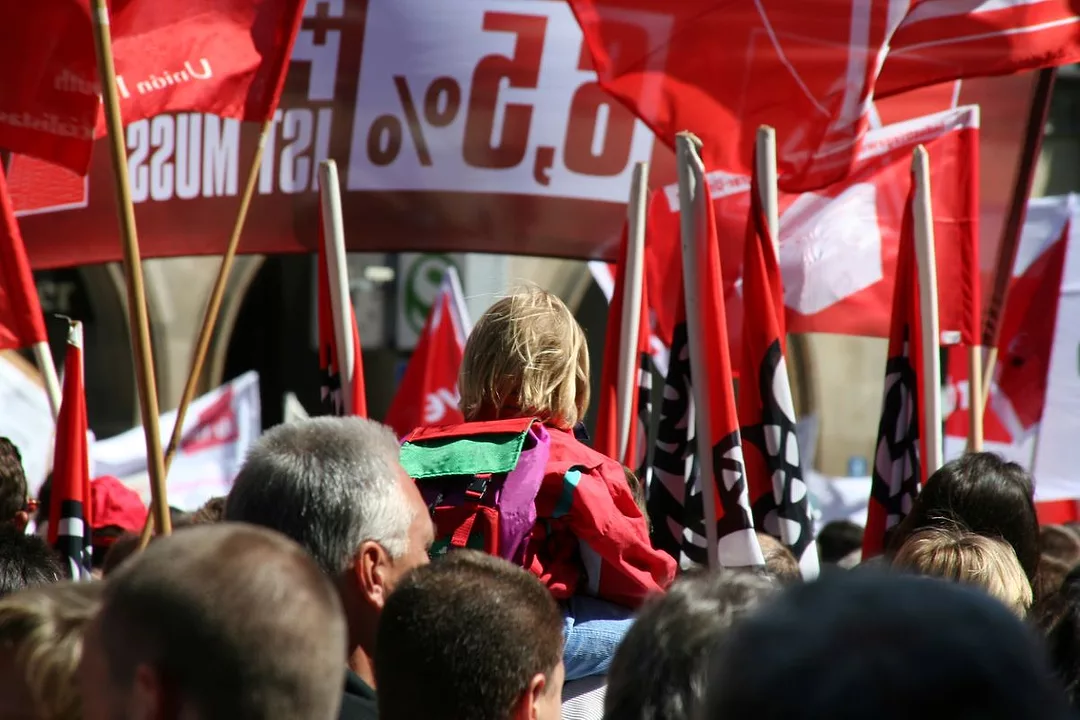
Photo: iStock/GgWink
Elections called by workers seeking unionization and overseen by the National Labor Relations Board (NLRB) fell by 30% in 2025, as the Trump administration aggressively weakened the agency’s ability to operate over the last year.
According to a February 11 report released by the Center for American Progress think tank, the NLRB oversaw fewer than 1,500 unionization elections in 2025, marking a steep fall from the 10-year high of 2,124 in the previous year. During those elections, 42% fewer workers participated compared to 2024, while the success rate for union elections dropped by more than 2%.
In one of the first moves of his second term last January, President Donald Trump fired NLRB chair Gwynne Wilcox, leaving the watchdog agency's board without a quorum for months while Wilcox challenged her dismissal in court. In the interim, Trump appointed two Republicans with a history of opposing organized labor efforts to fill two vacant seats on the board, fired the NLRB's general counsel Jennifer Abruzzo, and then replaced Abruzzo with attorney Crystal Carey, who said in her confirmation hearing that she believed the NLRB itself might not be constitutional.
Then in March 2025, Trump terminated nearly the entire workforce for the Federal Mediation and Conciliation Service, the agency responsible for handling private and federal workforce collective bargaining disputes. Months later, a report from the International Trade Union Confederation claimed that the Trump administration had taken a "wrecking ball" to collective labor rights, citing a pattern of "unfairness and authoritarianism" that has stripped workers of critical protections that have been in place for decades.
The CAP report said that, although the NLRB is charged with overseeing nearly all private sector elections in the United States, new unionization increasingly occurs through alternative means. Private sector workers are increasingly forming unions through voluntary recognition agreements with firms, meaning employers forgo the election process in favor of recognizing unions after a majority of workers sign membership cards, the report said.
In July 2024, Sean O’Brien, the president of the powerful Teamsters union, broke with most major U.S. workers' unions to deliver remarks in support of Donald Trump at the Republican national convention, ahead of the election in which Trump beat incumbent Joe Biden. O’Brien at that time railed against corporate greed, demanded “long-term investment in the American worker,” and implored lawmakers to seek bipartisanship in Congress.
Despite those efforts from the White House, nearly 70% of Americans surveyed by Gallup in August 2025 voiced approval for labor unions, including 90% of Democrats, 69% of independents, and 41% of Republicans. All party groups have also each seen support for unions increase since Trump's first term began in 2016, while household union membership has consistently remained in the 14-21% range for the last 25 years.
Popular Stories




100 Great Supply Chain Partners 2026: The Secret to Supply Chain Success
VIEW THE LATEST ISSUECase Studies


Visit Our Sponsors |
|
|
|
|
|
|
|
|
|
|
|
|
|
|
|
|
|
|
|
|
|
|
|
|
|
|
|
|
|
|
|
|
|
|
|
|
|
|
|
|
|
|
|
|
|
|
|
|
|
|
|