
NASA Sets Goal to Establish Moon Base Over Next Decade
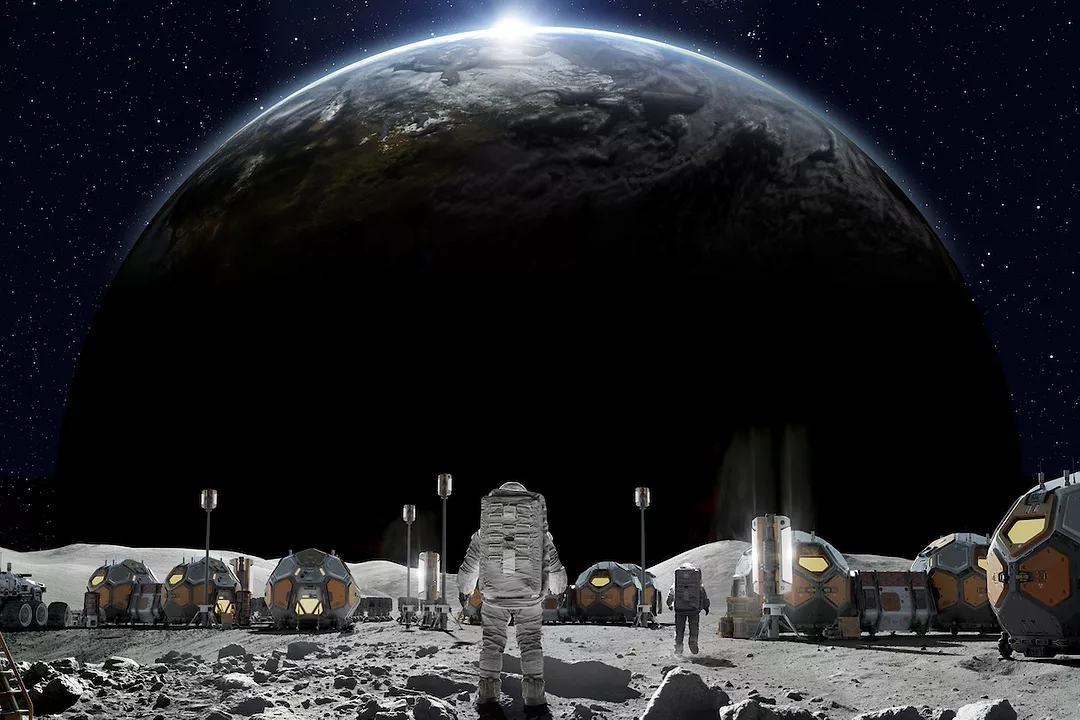
Photo: iStock / peepo
NASA has announced a plan to pour $20 billion into an initiative to build a base on the moon within the next decade.
According to CBS News, the ambitious roadmap was laid out by NASA Administrator Jared Isaacman in a series of meetings with contractors on March 24. At the meetings, Isaacman said that his hope is to eventually launch two moon landing missions a year to set up a semi-permanent presence on the lunar surface, where astronauts would work toward developing the next generation of technology needed to get to Mars. NASA also said that it plans to pause a program to build a space station in lunar orbit, and repurpose those components for its planned moon base.
"This revised, step-by-step approach to learn, to build muscle memory, to bring down risk and gain confidence is exactly how NASA achieved the near impossible in the 1960s," Isaacman said. "But this time, the goal is not flags and footprints. This time, the goal is to stay."
Read More: The Supply Chain Math Behind Elon Musk's Moon Base Ambitions
NASA is currently planning to launch its 10-day Artemis II mission in April, where astronauts will conduct the agency's first crewed lunar flyby in half a century. In 2027, Artemis III will then test docking capabilities between NASA's Orion spacecraft and the commercial spacecraft needed to land astronauts on the moon. If all goes to plan, either or both of Artemis IV and V would operate as the first manned moon landings of the lunar base initiative, scheduled for sometime in 2028.
The program will include an unmanned mission to Mars in that same year, dubbed "Skyfall," where a fission reactor will power a nuclear-electric propulsion system delivering three small helicopters. Those helicopters will then be dropped into Mars's atmosphere to search for possible landing zones for astronauts down the line. The nuclear technology used in Skyfall will be used to keep astronauts and equipment warm in habitats as well, while also providing electricity for NASA's planned lunar base.
Elon Musk spoke of similar plans to establish a base on the moon in February, with the SpaceX CEO setting a goal to stand up a "self-growing" lunar city in the next 10 years. However, achieving that goal would be no small feat for either SpaceX or NASA, given the logistical challenges posed by the days-long journey to the harsh conditions of the moon's surface. In order to be truly self-sustaining, a base would have to be able to produce things like oxygen, water, fuel and building materials from lunar soil, and while that technology does exist in lab settings, it has yet to reach the necessary testing stage needed to meet NASA's mission inclusion threshold.
NASA last put astronauts on the moon as part of 1972's Apollo 17 mission, but hasn't returned since, as shifting priorities from presidential administrations have often had the agency's moon landing programs operating in fits and starts. George W. Bush had originally set a plan to return to the moon by 2020, which was scuttled by the Obama administration over concerns that the program was not sustainable. President Donald Trump then ordered NASA to focus its attention on the moon once more in 2024 as part of its Artemis program, although progress was slowed by the COVID-19 pandemic and various other budgeting issues.
Popular Stories





100 Great Supply Chain Partners 2026: The Secret to Supply Chain Success
VIEW THE LATEST ISSUECase Studies


Visit Our Sponsors |
|
|
|
|
|
|
|
|
|
|
|
|
|
|
|
|
|
|
|
|
|
|
|
|
|
|
|
|
|
|
|
|
|
|
|
|
|
|
|
|
|
|
|
|
|
|
|
|
|
|
|