Iran War Delays Vital Reproductive Aid for Women Across the Globe
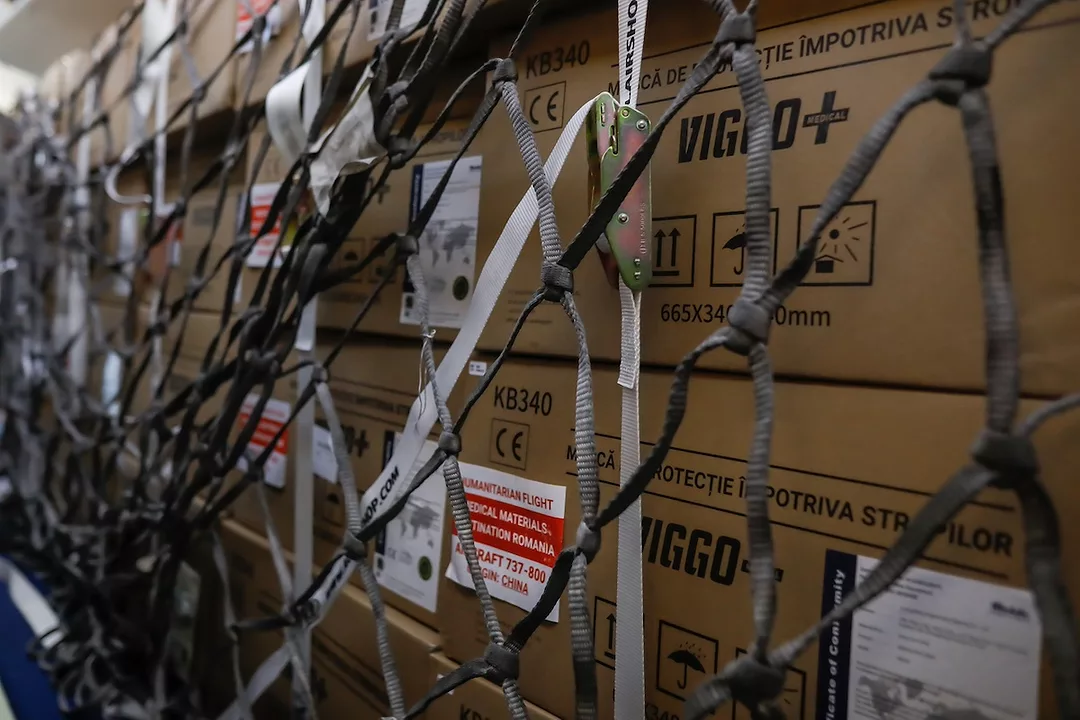
Photo: iStock / CatEyePerspective
Disruptions stemming from the ongoing conflict in Iran are affecting more than just oil shipments, with more than a dozen countries reporting delays in receiving lifesaving reproductive health supplies for women.
According to the United Nations Population Fund (UNFPA), 16 countries — including Cuba, Nigeria, Somalia, Sudan and Yemen — say that they've seen delays receiving labor and delivery room equipment for a combined 45 hospitals, surgical equipment for 28 referral hospitals, assisted delivery equipment for 15 hospitals, and more than 1.2 million male condoms. The UNFPA warns that these delays could limit access to critical resources for at least 18,000 pregnant women, 1,980 women receiving treatment for complications from miscarriage or abortion, 30,400 survivors of sexual violence, and 2,625 women and girls in need of contraceptive services.
“The conflict has dismantled the routes we rely on to deliver reproductive and maternal health commodities,” said UNFPA acting chief of supply chain management Eric Dupont in a March 26 release. "Between logistical bottlenecks, skyrocketing shipping costs and extended transit times, our ability to reach the most vulnerable women and girls is under strain."
As the UNFPA points out, many of the organization's humanitarian supplies are typically routed through Dubai. And with traffic through the Strait of Hormuz severely limited, carriers have had to reroute vessels around Africa's Cape of Good Hope, delaying time sensitive aid resources and sharply increasing transport costs.
Read More: A Race Against Time — Inside the Logistics of Humanitarian Aid
Speaking to NPR, other nonprofits and aid groups voiced similar concerns, as clinics and humanitarian centers in the Middle East, Asia and Africa are now at risk of running out of basic medication and food.
"It's extremely serious in countries that have very little resilience to shocks like this," said Bob Kitchen with the International Rescue Committee, based out of Nairobi, Kenya. "Whenever one piece of the puzzle is missing or delayed, the consequences are very, very severe."
For the time being, the UNFPA says that it's working with private sector partners and partner agencies to look for alternative shipping routes, and to reroute inbound shipments and reposition certain supplies. The organization also stores emergency supplies across multiple global warehouses, allowing it to at least maintain operations at a reduced level during disruptions.
Popular Stories




100 Great Supply Chain Partners 2026: The Secret to Supply Chain Success
VIEW THE LATEST ISSUECase Studies


Visit Our Sponsors |
|
|
|
|
|
|
|
|
|
|
|
|
|
|
|
|
|
|
|
|
|
|
|
|
|
|
|
|
|
|
|
|
|
|
|
|
|
|
|
|
|
|
|
|
|
|
|
|
|
|
|