
Kuwait Bears Brunt of Iranian Response to U.S. Ship Attacks
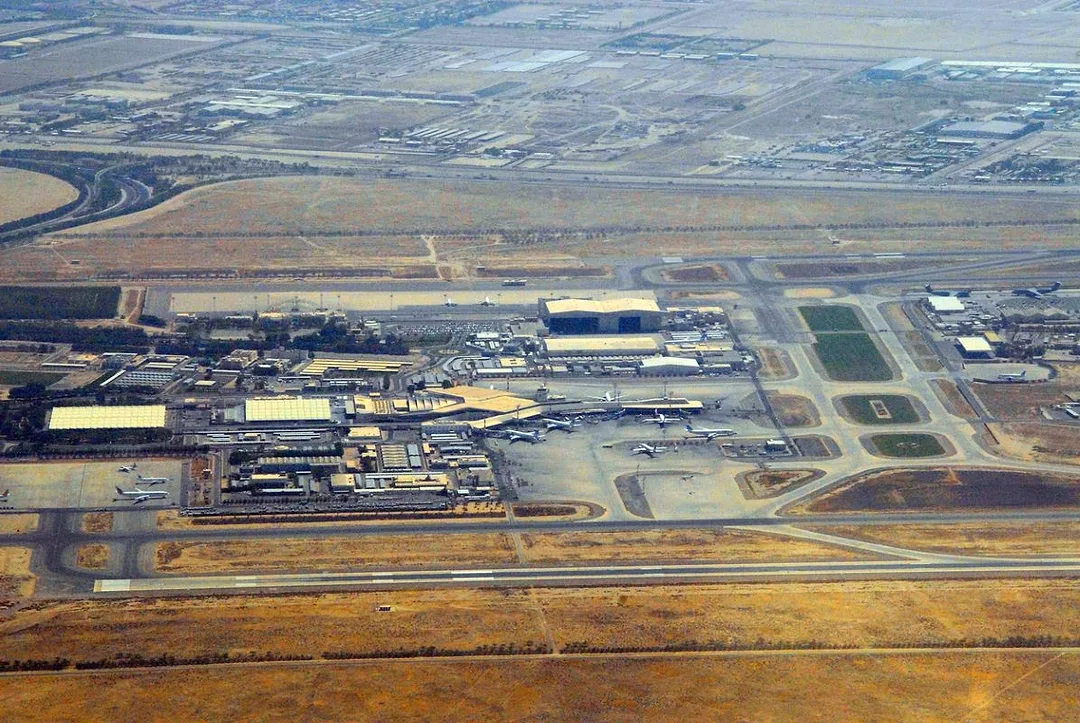
Kuwait International Airport. Photo: iStock/mtcurado
Kuwait, a staunch U.S. ally, has become a key target of Iran as its ceasefire with Washington frays and their clashes escalate.
The oil-rich state has suffered at least half a dozen attacks since the U.S. and Iran agreed a truce on April 8, experiencing more casualties than any other Gulf Arab country in that timeframe. A barrage of strikes early on June 3 was the worst of the incidents, killing one person at the main airport and injuring more than 60.
Kuwait said Iran fired around 30 projectiles. Two hit the civilian airport, where social media footage showed scenes of chaos, and flights were suspended for a few hours, and another struck a warehouse at a military base, according to a person familiar with the matter. They declined to be named speaking about sensitive matters.
As negotiations between the U.S. and Iran over an interim peace deal stutter, tensions are rising. The pair have exchanged fire several times in the past two weeks, with Iran lashing out at countries that host U.S. bases or troops.
In the latest skirmish, Iran retaliated against U.S. attacks on an oil tanker heading to the Islamic Republic, and on military sites on an Iranian island near the Strait of Hormuz.
Kuwait “continues to unjustly bear the cost of Iranian and American irresponsible action,” said Bader Al-Saif, assistant professor at Kuwait University and associate fellow at Chatham House.
Kuwait, a country of over 5 million people on the northern end of the Persian Gulf, had just spent millions of dollars repairing the airport after it was hit multiple times during the conflict, which erupted on February 28 with the U.S. and Israel bombing Iran.
Later on June 3, Kuwait told Iran to reduce the number of diplomats at its embassy and gave two members of the Iranian mission 24 hours to leave.
Iran said Kuwait and Bahrain — where Tehran fired upon a U.S. naval base, though there were no reports of casualties — bore responsibility for Washington’s actions.
Iranian officials later claimed they didn’t target Kuwait airport’s passenger terminal, saying the destruction was caused by a “malfunction” of a U.S. Patriot missile defense system. The American government didn’t immediately respond to those comments.
Kuwait released footage on June 4 it describes as the first moments of the Iranian attack on the airport. The video, released by the civil aviation authority in a social media post, shows drones hitting airport structures and the immediate aftermath.
اللحظات الأولى للاعتداء الإيراني الغاشم من قبل المسيرات الذي تعرض له مبنى الركاب T1 في مطار الكويت الدولي بتاريخ 3 يونيو 2026 وتسبب بخسائر بالأرواح وإصابات بشرية بليغة وأضرار مادية جسيمة
The first moments following the brutal Iranian drone attack on Terminal 1 (T1) at Kuwait… pic.twitter.com/eTzQoVXB4K
— الطيران المدني (@Kuwait_DGCA) June 3, 2026
Since the early 1990s Gulf War to free it from Iraqi occupation, Kuwait has hosted thousands of U.S. military personnel. They have a presence on five Kuwaiti bases, including Ali Al-Salem, the one struck this week.
Residents in Kuwait, declining to be named, described the attack on the night of June 3 as just as intense as the first week of the war. Explosions thundered across Kuwait City, rattling windows and nerves, they said. Some said they are increasingly concerned there will be more attacks.
Last month, Kuwait said it arrested four members of Iran’s Islamic Revolutionary Guard Corps, saying they were trying to infiltrate the country and carry out hostile acts. Kuwait has the unique opportunity to use the four operatives as leverage to make its own direct deal with Iran “which is overdue,” Al-Saif said.
Marco Rubio, the U.S. secretary of state, was scheduled to meet Kuwaiti counterpart Sheikh Jarrah Jaber Al-Ahmad Al-Sabah in Washington on June 4. The United Arab Emirates, meanwhile, is calling for more pan-Gulf action to deter Iran’s attacks.
Economy Hit
“In light of the repeated Iranian aggression on Kuwait and Bahrain, there has to be a tough and united Gulf stance,” Anwar Gargash, a senior foreign-policy adviser to the UAE’s president, said on X. “This aggression is not targeting a state in particular but is targeting us all.”
Kuwait is one of the richest countries in the world, and has more than $1 trillion of sovereign wealth fund assets. But it’s economy has been battered by the war.
Iran’s effective closure of the Strait of Hormuz has forced it to slash almost all its oil exports, and its airport has become its main way of getting in essential imports.
Goldman Sachs Group Inc. estimates that Kuwait’s budget deficit has surged since the conflict began to about 40% of gross domestic product on an annualized basis.
Popular Stories
.webp?height=100&t=1780416625&width=150 "018_how_3pls_can_get_started_with_ai_v1-(540p).png")


SupplyChainBrain 2026 ESG Guide: ESG — The Supply Chain’s Biggest Secret
VIEW THE LATEST ISSUECase Studies


Visit Our Sponsors |
|
|
| |
|
|
|
|
|
|
|
|
|
|
|
|
|
|
|
|
|
|
|
|
|
|
|
|
|
|
|
|