RSS
RSS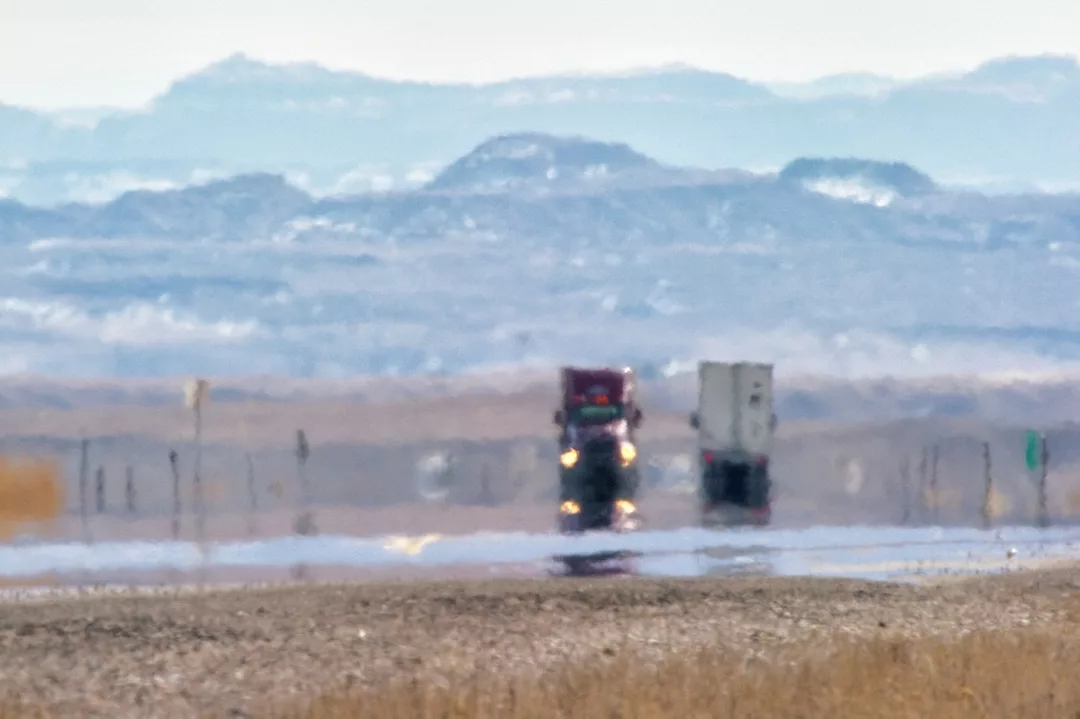
For many logistics operators, the challenge of the last few years stem from a combination of pressures hitting all at once. From fuel costs to labor shortages, operations teams are being forced to become more agile and proactive than ever before.
Rising fuel cost tops the list. While fluctuations in diesel and transportation expense have become familiar, the recent volatility has cut deeply into many operators’ margins. Since the strike on Iran in late February, diesel prices have surged nearly 50%. Some experts say it could take a year before prices resettle. Even small increases can quickly affect delivery costs, shipping schedules and overall profitability, especially for operators managing large fleets or long distribution routes.
The response is already taking shape. Shipment data from January through April of 2026 reveals that load density, measured as average orders per consolidation load, increased 19%, as operators worked to maximize every mile traveled.
This summer, they’ll will need to take better advantage of forecasting data and demand planning, to reduce transportation costs wherever possible.
Labor has long been a persistent issue across the warehousing and distribution sector, with summer bringing increased demand that strains already-thin staffing levels. In many regions, warehouses are still competing for workers in tight labor markets, particularly for overnight shifts and physically demanding roles — even as the summer holidays lead to increased requests for time off. Pair that with tough working conditions, and managers find themselves scrambling to fill missed shifts.
That’s why retention has become just as important as recruitment. Operators are spending more time focusing on employee experience, safety, scheduling flexibility and training. Cross-training is also becoming more common, allowing facilities to move workers between responsibilities when staffing gaps arise unexpectedly. For many operations leaders, maintaining workforce stability now requires constant adjustment rather than seasonal hiring alone.
Extreme heat adds another layer of complexity, particularly for warehouse operations in warmer regions of the country. High temperatures can directly affect productivity, worker safety and equipment performance. Facilities without proper climate controls or ventilation may face slower picking and packing times, increased employee fatigue, and a greater strain on machinery and material handling equipment.
To adapt, operators should adjust shift schedules to avoid the hottest parts of the day, increase hydration and cooling protocols, and reassess warehouse layouts to improve airflow and efficiency. Safety teams should also place greater emphasis on heat-related training and monitoring.
Weather-related disruptions are another major challenge during the summer months. Hurricanes, severe storms, flooding and regional heat events can quickly create bottlenecks throughout the supply chain. Transportation delays, damaged infrastructure and temporary facility shutdowns can all disrupt inventory movement with little warning.
The difficulty is that many disruptions no longer stay isolated to one region. A storm affecting a port or distribution hub can create ripple effects across a network. Operators need to develop backup transportation options, diversify supplier networks, and build stronger communication protocols into their operations.
Underlying many of these challenges is a broader issue that continues to affect logistics operations across the industry: limited visibility. Despite advances in technology, many warehouses and distribution teams continue to rely on disconnected systems and manual processes to manage inventory and workflows.
When disruptions happen, teams can struggle to access accurate, real-time information quickly enough to make informed decisions. With visibility essential for resilience, operators need a clear understanding of inventory levels, labor allocation, transportation status and order flow in order to respond effectively to changing conditions.
Summer has always brought seasonal challenges for logistics operators, but recent years have raised the stakes. Customers continue to expect faster deliveries and greater transparency, even as operating conditions become more difficult and unpredictable. Preparedness doesn’t have to happen overnight. Instead of a complete operational overhaul, logistics leaders can focus on improving communication, increasing flexibility, and creating systems that allow teams to respond faster when conditions shift unexpectedly. This will allow them to continue performing when disruption becomes the norm.
Amy Dean is vice president of operations at SC Codeworks.