.webp?height=100&t=1783959879&width=150 "014_how_ai_is_transforming_the_transportation_back_office_v1-(540p).jpg")
Iran Announces Plan to Charge Fees in Strait of Hormuz
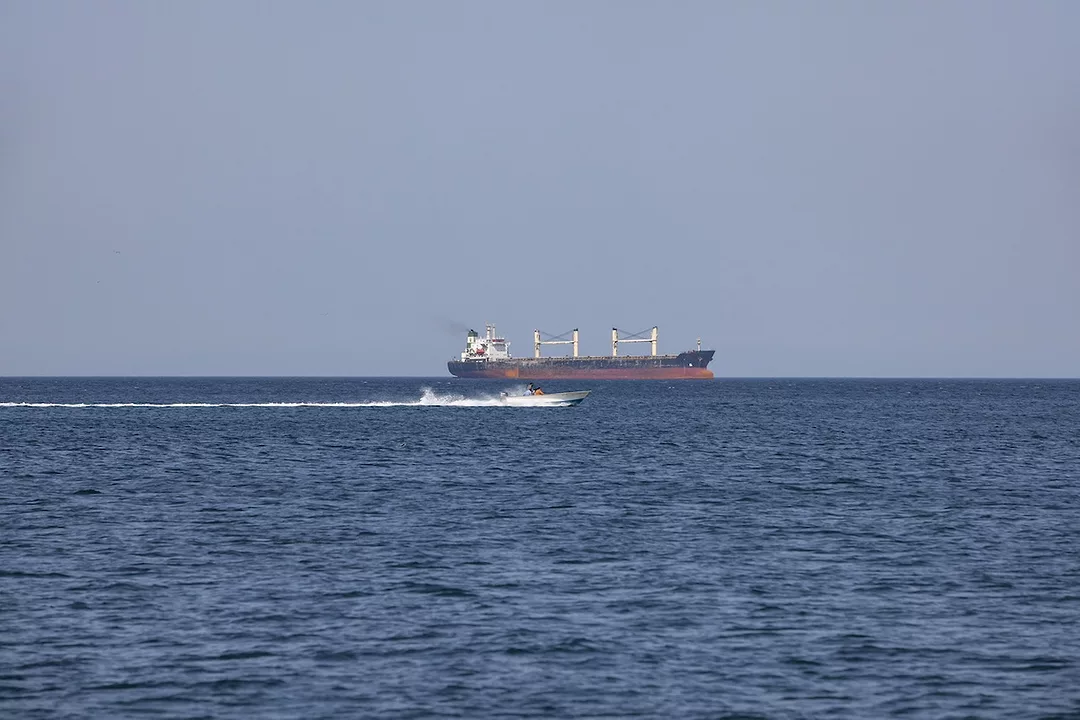
Photo: iStock / 35007
Iran has announced its intention to introduce a system of fees for ships transiting the Strait of Hormuz, which would take effect after the 60-day negotiating period agreed to in its memorandum of understanding with the U.S. lapses.
According to The Guardian, Iran's chief negotiator Mohammad Bagher Ghalibaf said on June 18 that the strait still needs to be managed, despite progress made on negotiations with the U.S. Days before that, Iran's foreign minister Esmaeil Baghaei said that while Iran would not look to enact tolls, it would instead seek to charge "fees in exchange for services that are provided." However, it was unclear how any such fees would be functionally different from transit tolls, given that Iran would not directly be providing any specific services beyond allowing the passage of commercial ships through a natural waterway.
Speaking to The New York Times before this latest announcement, Maersk CEO Vincent Clerc warned that allowing Iran to charge any sort of fees in the Strait of Hormuz would set a "dangerous precedent" for global shipping.
“If any geographical point can be suddenly weaponized and leveraged for money, and then closed again at the whim of a certain government or authorities, it’s a concerning development,” Clerc said.
U.S. leaders have repeatedly spoken out against the idea of fees in the strait as well, with President Donald Trump having insisted that any long-term deal include free passage for all ships. Even so, his undertaking that the Strait of Hormuz will soon be reopened and "permanently toll-free" has been met with resistance from Iranian leaders, who have instead argued that any long-term agreement must preserve its right to regulate and charge for commercial traffic through the waterway.
In the meantime, it appears as though ships that have been trapped in the Strait of Hormuz since February have gradually started to exit the waterway through smaller northern and southern passages, although the main route remains closed.
Popular Stories


.webp?height=100&t=1784001702&width=150 "013_what's_really_needed_for_'lights-out'_capability_v1-(540p).png")


SupplyChainBrain 2026 ESG Guide: ESG — The Supply Chain’s Biggest Secret
VIEW THE LATEST ISSUECase Studies


Visit Our Sponsors |