.webp?height=100&t=1782792122&width=150 "005_veteran_winemaker_gallo_embarks_on_an_ai_journey_v2-(540p).jpg")
EU Joins 'Pax Silica' AI Supply Chain Initiative
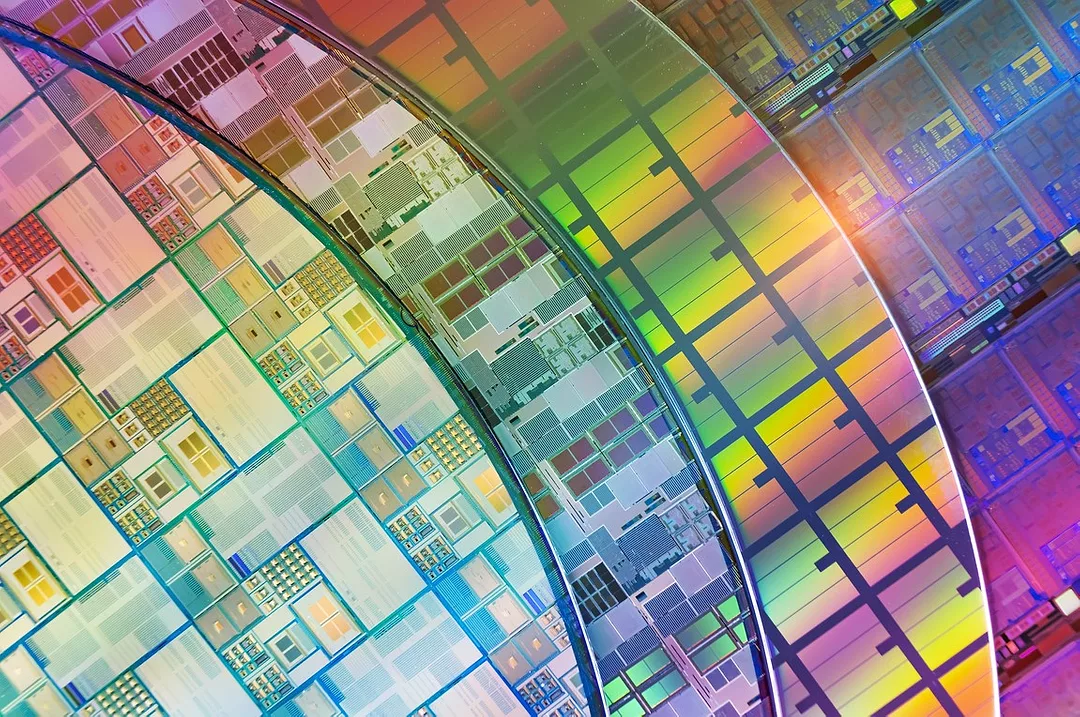
Photo: iStock/kynny
The European Commission has signed onto the United States' "Pax Silica" initiative, designed to reduce reliance on China for rare earth minerals, which are critical to artificial intelligence technology.
According to a release from the EU, the commission signed onto the declaration on June 25, weeks after it adopted sweeping legislation to secure Europe's supply of semiconductors and AI technology.
"As AI reshapes our economies and societies, secure and resilient silicon supply chains are more important than ever," the European Commission said. "The Pax Silica initiative aims to strengthen these supply chains, and improve coordination among trusted allies and partners."
The U.S. announced the Pax Silica initiative in December 2025, detailing its commitment to a shared vision for building out global AI supply chains to provide reliable sourcing for network infrastructure, advanced manufacturing, transportation logistics, minerals refining and processing and more. Australia, Israel, Japan, South Korea, Singapore and the United Kingdom all signed onto the declaration when it was first brought forward. Several countries have joined on since then, including Qatar, United Arab Emirates, Sweden, the Philippines, Argentina and Panama.
As part of the initiative, the U.S. Department of State allocated $250 million in foreign assistance for extracting and manufacturing critical minerals. The declaration also calls for member countries to coordinate on investments, export controls and supply chain security policies.
China holds roughly 70% of the market share for the refining of critical minerals used in a range of advanced AI technologies, and accounts for more than 90% of global production of rare earths used in magnets. It also controls 98% of global production for gallium, a lesser known mineral needed for high-performance chips that power GPUs and data centers.
Popular Stories

.webp?height=100&t=1782739023&width=150 "003_the_future_of_ai_in_transportation,_warehousing_and_logistics_v1-(540p).png")



SupplyChainBrain 2026 ESG Guide: ESG — The Supply Chain’s Biggest Secret
VIEW THE LATEST ISSUECase Studies


Visit Our Sponsors |
|
|
|
|
|
|
|
|
|
|
|
|
|
|
|
|
|
|
|
|
|
|
|
|
|
|
|
|
|
|
|
|
|
|
|
|
|
|