Environmental organizations TRAFFIC and WWF along with Hewlett Packard Enterprise (HPE) have teamed up to develop a new web-based tool to address illegal fishing.
Once the purview of science fiction, exoskeletons are slowly working their way into real life. These aids are now being used on manufacturing assembly lines.
Researchers have created for the first time a detailed map that will help buyers and consumers of palm oil work out whether the supply chain is harming forests on the Southeast Asian island of Borneo.
There’s nothing new about the idea of demand planning. Phoenician wine traders, 2,000 years ago, were savvy about staying ahead of fluctuations in demand via a network of merchant informants, and planned supply accordingly. The advent of vastly expanded computer data-processing power, along with the connectivity of the web, has been offering for 20 years or more the attractive proposition of using technology to track and predict demand for goods more accurately.
Governments of the two largest cocoa-producing countries — Côte d’Ivoire and Ghana — pledged themselves to “Frameworks for Action” with leading chocolate and cocoa companies at COP23 this month to end deforestation and restore forest areas in the cocoa supply chain.
J.P. Morgan CEO Jamie Dimon thinks bitcoin is a "fraud." Investor Mark Cuban called it "a bubble." Goldman Sachs CEO Lloyd Blankfein is still undecided. But whether or not executives believe in the potential of bitcoin, ethereum or blockchain technology, they and their companies can’t avoid talking about cryptocurrencies.
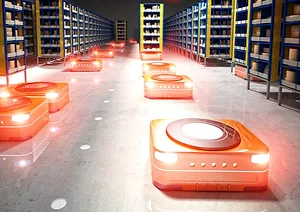
A few years ago, Amazon.com Inc. triggered a robot arms race when it purchased a company called Kiva Systems, maker of automated warehouse robots. Now its would-be rivals are landing bigger and bigger cash injections to try to compete with the e-commerce giant.
Drugmakers in the EU are warning of drug supply chaos if the U.K. and European Commission can't strike a specific deal covering the approval of medicines before their governmental divorce.




.webp?height=100&t=1784835632&width=150 "LSG26_LTAgentEdgeImage_DB-1313-1 (1).png")


.webp?height=100&t=1784491177&width=150 "030_ai_in_the_warehouse-_real_use_cases_v1-(540p).png")


