On a cold December night last year, a meeting was called in the lobby of my apartment building. Concerned residents gathered to discuss a matter of great import: what to do about the swarms of packages jamming the lobby closet and overflowing into the entryway.
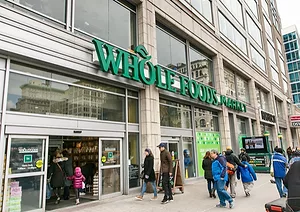
One year ago this week, Amazon.com Inc. loudly declared its intention to become a grocery industry heavyweight by announcing its agreement to buy Whole Foods Market.
Forklift sales are up and continuing to rise. In the North American market, 2017 sales were up 9.5 percent over 2016, reaching a new benchmark of 253,146 units sold.
Amazon has been accused of treating staff like robots as it emerged that ambulances had been called out 600 times to the online retailer’s U.K. warehouses in the past three years.
Using traditional product packaging in e-commerce can hurt the bottom line. For many companies, the practice triggers unnecessary, counterproductive costs several percent of their total cost of goods sold (COGS).
As the global $1.9tr e-commerce landscape continues to expand, companies are facing difficulties successfully managing cross-channel commerce across continents, supply chains, and software systems, and are losing revenue as a result.
In a warehouse on the outskirts of Indonesia’s capital, supervisors at e-commerce company Lazada use bikes or electric scooters to zip around a floor the size of four soccer fields, where up to 3,000 staff pack and dispatch goods around the clock.