As companies go global in their operations, they need new solutions for managing risk that can traverse countries and link in thousands of worldwide suppliers. Cloud is coming to the rescue where internal systems can't. Here are three cloud supply chain niche solutions that are gaining traction, and why.
Gauging the size of the supply chain technology market is a problematic exercise"”determining what technology components to include and what to leave out, which companies to include and who to leave out.
Cloud adopters face serious risk in the next two years because of the strong possibility that their provider will be acquired or forced out of business, according to Gartner.
The cloud is more than an alternative means of delivering software, according to Eyal Rosenberg, chief executive officer of Nipendo. It's key to improving collaboration between buyers and suppliers.
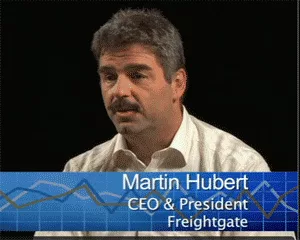
Martin Hubert, chief executive officer with Freightgate, outlines the benefits of cloud technology for supply-chain managers and logistics providers. He suggests a road map to a "collaborative, inter-connected cloud."
ABI Research forecasts that the total number of software-as-a-service or SaaS-based subscriber units will increase from 1.06 million at the end of 2012 to 16.8 million on a global basis by the end of 2018.
For logistics-driven companies, advances in mobile computing and communications in the last decade now are leading us toward what Gartner has called true supply chain execution convergence. The potential gains - lower costs, increased efficiency, less waste, reduced environmental impact, higher customer satisfaction and overall improved profitability - are simply too big to ignore. However, corporate executives and planners should proceed carefully in positioning their companies to get the highest return on their investment in converging supply chain execution technologies.