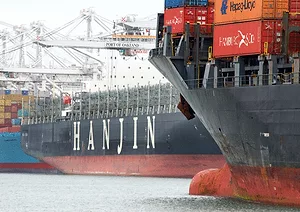
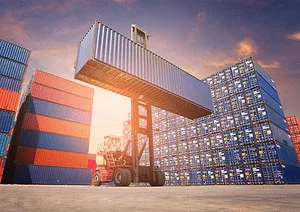
U.S. seaports are joining forces, setting aside decades of regional competition over cargo as a wave of consolidation in the shipping industry threatens to cut some cities out of global trade routes.
The American Association of Port Authorities (AAPA) has announced the launch of a campaign that will advocate for transportation infrastructure investment on behalf of the nation's manufacturers, farmers and other workers who count on modern and efficient seaports to move American products to vital overseas markets.
Analyst Insight: Visibility in the supply chain has long been a challenge that supply-chain managers have struggled with, especially when it relates to assets in motion. Fortunately, we now live in a world of constant connectivity, and with that the emergence of applications that enable true real-time visibility to assets or inventory in motion through the support of the Internet of Things (IoT). - John Santagate, research manager, IDC
U.S. Justice Department investigators crashed a meeting of the world's 20 biggest container-shipping operators and gave subpoenas to top executives at several companies as part of a probe on price fixing, people with knowledge of the matter said.
Pirates have hijacked an oil tanker with eight Sri Lankan crew on board, Somali authorities said last week, the first time a commercial ship has been seized in the region since 2012.
Analyst Insight: U.S. shippers have had ample reasons to be frustrated with the international supply chain in recent years. The industry has incurred multiple disruptions and increasing operating complexity that is likely to get worse before it gets better - unless we change the way we approach these challenges. – Adriene Bailey, chief strategy officer, Yusen Logistics (Americas) Inc.
The viability of the international container ship transportation industry depends on vibrant trade between distant nations, and that trade depends on cost-competitive manufacturing industries in the exporting nations, mainly China.