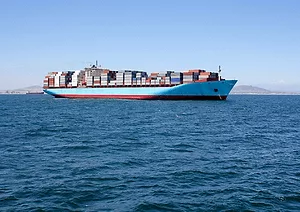
After a strong start in the first quarter, container volumes in the trans-Atlantic trade have declined, and average vessel utilization has dropped sharply, eroding freight rates. As a result, container lines are likely to start canceling vessel sailings in October, according to Drewry.
In the face of challenging economic headwinds, consumer goods manufacturers have focused on cutting costs and optimizing working capital. Those routes still offer opportunity, but recent analysis indicates that traditional assumptions regarding tradeoffs among costs, inventory and service don't always hold true, and leading companies are using new, customer-centric levers to unlock value. These actions could yield a potential value of nearly $50bn industrywide, according to research conducted by The Boston Consulting Group on behalf of the Grocery Manufacturers Association (GMA).
Challenge: 3PLs sometimes walk a fine line between being able to get a new client up and running quickly and overextending themselves in terms of systems and infrastructure before they actually sign a client. For a regional 3PL, their ability to create a new set up that would be up and running smoothly in less than ninety days was critical to successfully acquiring a new retail client. This retail client commonly receives a high volume of items without much advance notice and generally sells/ships those same items back out to customers within a very short time period.
Challenge: A large construction materials manufacturer was struggling to keep up with its growing supply chain needs. Coordination of international and domestic suppliers, vendors and shipments was beginning to overwhelm it.
Challenge: The client desired a multi-modal approach which would allow inventories to flow plant-to-plant faster than current rail mode while maintaining inventory and production levels. The challenge was a combination of truck capacity in a local marketplace as well as a "truck-rail-truck" approach due to significant levels of inventory moving to the Texas Marketplace.
Most everyone in manufacturing is aware that today, supply chain is, more or less, "king" of the manufacturing lifecycle. With more globalized supply chains and the trend of working with more and more third parties, it's critical that manufacturers keep a strong hold on the flow of materials from one location to the next.