When DWT tanker Shoko Maru caught on fire recently it was described as one of the worst accidents in energy shipping in the past decade. And a recent study shows that product tankers are considered the most accident-prone shipping types, followed by LPG tankers.
You don't have to look too far, or listen too intently, to detect signs of digital disruption these days. We're in the midst of a veritable eruption of disruption, taking place across the business landscape and radically reshaping everything from customer interactions to internal processes to extended supply chains. Needless to say, it's far better to be the disrupter than one of the rudely disrupted.
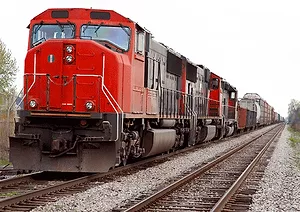
Several spots along North America's new oil-by-rail corridors find residents and officials restless, following six fiery derailments in the past 10 months. Some want to limit or halt the traffic, fearful that existing precautions will not prevent deadly blasts, air and waterway pollution, or nuisances including nasty odors.
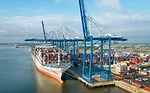
In a recent decision affecting ocean freight operators, the International Maritime Organization's Marine Environment Protection Committee (MEPC) adopted amendments to the MARPOL Convention to set a date for the implementation of "Tier III" standards within emission control areas (ECAs) and to make the IMO Member State Audit Scheme mandatory.
Investors and multinationals are increasingly turning their gaze southward to the ten dynamic markets that make up the Association of Southeast Asian Nations (ASEAN).
The lower cost of fuel for natural gas-powered highway tractors compared to their diesel-fired brethren could make it more profitable for trucking companies to engage in longer lengths of haul for intermodal shipments.
Global shipping lines are increasingly shying away from handling cargoes to Iran as restrictions on banking and insurance continue unabated, despite an interim agreement between Tehran and the West that called for limited sanctions relief.
Taiwan Tobacco & Liquor Corp. (TTL) has deployed a radio frequency identification solution to ensure its products' authenticity, and to track the goods through its supply chain.
Logistics operations driven by the shale energy boom employed 32,000 workers in 2012, a figure which is expected to grow by over 26,000 jobs, or 82 percent, to more than 58,000 jobs in 2025.